The Focused Homemaker

Tag: Fatherhood

  • More Than a Provider: God’s True Measure of Your Husband’s Worth

    More Than a Provider: God’s True Measure of Your Husband’s Worth

    Discover why your husband’s worth is greater than his paycheck, and explore a biblical view of work, provision, identity, dignity, and husbandhood.
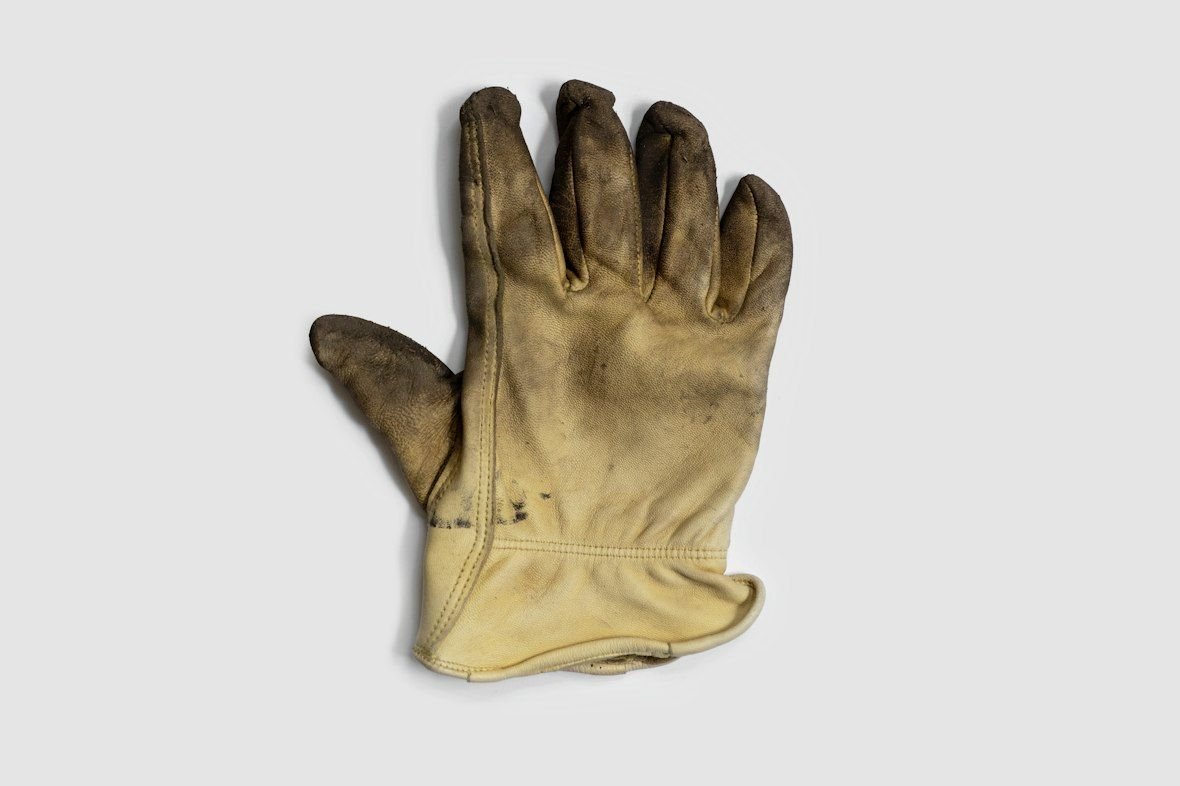
    A well-worn leather work glove
    Photo by Nicolas Solerieu on Unsplash

    Somebody at a church dinner asks your husband what he does, and you watch him answer. If he has a job he is proud of, the question is easy. If he was laid off in the spring, or works long hours for modest pay, or is still building something that hasn’t paid off yet, you may see him shrink a little.

    Our culture measures a man by his paycheck, and Christian wives absorb more of that than we like to admit. It shows in what we praise, what we worry about, and what we say when the bills come in. This post looks at how God measures a husband, and at what that means for the way you see yours.

    Where the Paycheck Measure Comes From

    For most of history, a man worked near his home, often alongside his wife and children. When work moved to factories and offices, provision came apart from presence. A father became the man who left in the morning and brought back money, and the money became the easiest thing to measure him by.

    Advertising, social media, and ordinary conversation keep that measure in place. Success gets pictured as a big career and visible comfort. Men who earn less are often treated as having done something wrong.

    God sees differently. When Samuel was looking over Jesse’s sons, the Lord told him, “For the LORD does not see as man sees; for man looks at the outward appearance, but the LORD looks at the heart” (1 Samuel 16:7).

    Why It Does Harm

    Tying a man’s worth to his income hurts him whichever way the numbers go.

    If he earns well, it invites pride. He can begin to think of his provision as self-made. God’s Word answers that directly: “Nor let the rich man glory in his riches… But let him who glories glory in this, That he understands and knows Me” (Jeremiah 9:23–24).

    If he struggles, it invites shame. Many faithful men who love their wives, lead their children, and keep showing up to work begin to believe they have failed, because the only scoreboard they hear about is the bank balance.

    Either way, money takes a place it was never given. Jesus said, “No one can serve two masters… You cannot serve God and mammon” (Matthew 6:24).

    Provision Matters

    None of this makes provision unimportant. Paul is blunt: “If anyone does not provide for his own, and especially for those of his household, he has denied the faith and is worse than an unbeliever” (1 Timothy 5:8). A man who could work and chooses not to, leaving his family in need, is sinning, and saying so is no unkindness.

    Notice what Paul is measuring, though. He is talking about a man who refuses responsibility. He is not ranking husbands by salary. A man earning modest wages and caring for his family faithfully has obeyed that verse.

    Some husbands cannot provide in the usual way for a time because of job loss, illness, or disability. That is a hardship to bear together, and a husband in that situation has not lost his worth or his calling. If this is your family, lean on your church family and seek wise counsel.

    Even good provision is a gift before it is an achievement. “Every good gift and every perfect gift is from above” (James 1:17). The health to work, the job, and the skill all come from God.

    What God Asks of a Husband

    The weightiest instruction to husbands in the Bible says nothing about money: “Husbands, love your wives, just as Christ also loved the church and gave Himself for her” (Ephesians 5:25).

    The rest of what God asks fills out the picture:

    • Understanding and honor. Husbands are to “dwell with them with understanding, giving honor to the wife, as to the weaker vessel, and as being heirs together of the grace of life” (1 Peter 3:7).
    • Gentleness. “Husbands, love your wives and do not be bitter toward them” (Colossians 3:19).
    • Teaching the children. Fathers are to raise their children “in the training and admonition of the Lord” (Ephesians 6:4). No amount of money can do that for him.
    • Serving. Jesus said, “Whoever desires to become great among you shall be your servant” (Mark 10:43).

    Christ is the pattern for all of it. He “made Himself of no reputation, taking the form of a bondservant” (Philippians 2:7).

    The parable of the talents points the same way when applied here (Matthew 25:14–30). The master praises his servants for faithfulness with what they were given, and the size of the amount is not what earns the praise. There is a longer look at a husband’s whole calling in Strength That Serves, and at a father’s worth beyond his paycheck.

    Faithful Men Who Were Not Rich

    Many of the men God used most were poor by any earthly standard.

    Jesus grew up in a working household and had no home of His own in His ministry. He said, “Foxes have holes, and birds of the air have nests, but the Son of Man has nowhere to lay His head” (Matthew 8:20).

    Paul made tents, went hungry, and sometimes lived on gifts from churches. He wrote, “I know how to be abased, and I know how to abound… Everywhere and in all things I have learned both to be full and to be hungry, both to abound and to suffer need” (Philippians 4:12).

    Job lost everything he owned in one day and said, “Though He slay me, yet will I trust Him” (Job 13:15). His losses changed nothing about his standing before God.

    Joseph was sold as a slave and spent years in prison, and God used his character to keep a nation alive through famine.

    What This Means for You as His Wife

    How you talk about your husband, to him and about him, does a great deal to shape how he sees himself. “Death and life are in the power of the tongue” (Proverbs 18:21). Here are some ways to use that well.

    Praise his character. Thank him for being steady, honest, patient with the children, and faithful to you. If the only time you notice his work is when the numbers are good, he will learn that the numbers are what you value.

    Watch what you say in tight months. A sigh over the bank statement can say more than a speech. Talk about money as a problem the two of you share, and keep it from becoming a verdict on him. Paul’s words in Colossians apply to every man who works: “Whatever you do, do it heartily, as to the Lord and not to men… For you serve the Lord Christ” (Colossians 3:23–24).

    Pray for him. Many men carry money worries without ever saying them out loud. Pray that he would know where his worth really lies. Paul’s words can steady both of you: “In all these things we are more than conquerors through Him who loved us” (Romans 8:37).

    Teach your children to honor their father. They will take their cue from you. The fifth commandment does not depend on his income (Exodus 20:12).

    Keep good times from depending on money. A family that can only enjoy itself when there is money to spend will feel every lean month. Some of the best evenings cost nothing. The free Something to Do Together tool lets you set a budget of zero and still find ideas.

    Affirming a husband does not mean ignoring real harm. If your husband is harsh, controlling, or unsafe, or is neglecting his family, please talk with your pastor or a trusted biblical counselor, and contact emergency services if you or your children are in danger. Honoring your husband never requires you to endure abuse.

    For more on encouraging him without pressure, see how to encourage your husband without trying to fix him and the difference between respecting and tolerating him.

    Rest in God’s Provision

    Jesus told His disciples, “Seek first the kingdom of God and His righteousness, and all these things shall be added to you” (Matthew 6:33). He was not promising a raise. He was telling worried people that their Father knows what they need.

    Your husband works, and God provides. When you both believe that, a lean year becomes a time to trust the Lord together, and it no longer has to be a referendum on the man you married. This week, tell your husband one thing you respect about him that has nothing to do with money.

    Resources

    Keep Going

  • Strength That Serves: God’s Design for Husbands and Families

    Strength That Serves: God’s Design for Husbands and Families

    Explore God’s design for a husband’s strength and leadership as service, and learn how sacrificial love can bless marriage, parenting, and family life.

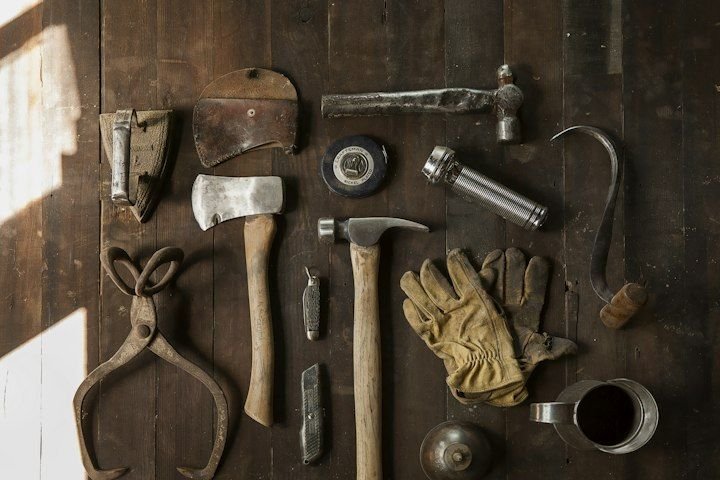
    Vintage hand tools and work gloves on dark wooden planks
    Photo by Todd Quackenbush on Unsplash

    Say the words “the husband is the head of the home” in most rooms today and people picture a man giving orders. Some of them have reason to, because they grew up under a man who used the Bible that way. Others picture the opposite problem, a husband who has checked out and left every decision to his wife.

    The Bible describes neither of those men. This post lays out what God’s Word asks of a husband, so that you know what you are praying for, what to be thankful for when you see it, and what was never meant to be called headship at all. If your husband reads it with you, so much the better.

    If you are a wife reading this and your husband is controlling, frightening, or abusive, this is not what the Bible calls headship, and you do not have to endure it quietly. Please talk with your pastor, a trusted biblical counselor, or a domestic violence hotline, and call emergency services if you or your children are in danger.

    Two Counterfeits

    Sin bends a man’s strength in one of two directions. He may use it to control the people in his house, or he may refuse to use it and leave them to manage alone. Adam did the second in the garden. He stood by, and when God questioned him he blamed his wife (Genesis 3).

    Neither counterfeit comes from the way God made men. Men and women were both made in God’s image (Genesis 1:26–27), with equal worth, and husband and wife become “one flesh” (Genesis 2:24). Within that union God gives the husband a particular responsibility. Paul calls him “head of the wife, as also Christ is head of the church” (Ephesians 5:23). Everything depends on that comparison. A husband’s headship is supposed to look like Christ’s, and Christ’s looked like a cross.

    Humility Comes First

    A man cannot lead his family well until he is under authority himself. The Bible says, “God resists the proud, But gives grace to the humble” (James 4:6). Proverbs says, “By humility and the fear of the LORD Are riches and honor and life” (Proverbs 22:4).

    Micah puts a man’s duty in one sentence: “He has shown you, O man, what is good; And what does the LORD require of you But to do justly, To love mercy, And to walk humbly with your God?” (Micah 6:8).

    Jesus is the pattern. He “humbled Himself and became obedient to the point of death, even the death of the cross” (Philippians 2:8). In Gethsemane He prayed, “Not My will, but Yours, be done” (Luke 22:42). No one has ever had more authority, and no one has ever submitted more fully to the Father.

    In an ordinary household, a husband’s humility is easy to recognize:

    • He looks for his wife’s good when it costs him comfort.
    • He does lowly jobs without being asked. Jesus washed His disciples’ feet (John 13:14–15).
    • He admits when he is wrong and asks forgiveness, including from his children.
    • His wife and children are not afraid of him.

    Leading by Loving

    Jesus told His disciples how authority works among His people: “Whoever desires to become great among you, let him be your servant… just as the Son of Man did not come to be served, but to serve, and to give His life a ransom for many” (Matthew 20:26–28). He also said, “He who is greatest among you shall be your servant” (Matthew 23:11).

    Paul applies this to marriage in one command: “Husbands, love your wives, just as Christ also loved the church and gave Himself for her” (Ephesians 5:25). Christ’s love cost Him His life. It also aimed at His bride’s good, for He gave Himself so that He might “sanctify and cleanse her with the washing of water by the word” (Ephesians 5:26). A husband who loves this way wants his wife to grow in Christ, and he helps by praying for her and setting an example. Pressure and manipulation have no place in it.

    Peter adds that husbands are to live with their wives with understanding and to honor them as heirs together of the grace of life (1 Peter 3:7). A man cannot understand a wife he does not listen to. Her counsel, her concerns, and her judgment are part of how God means him to lead.

    The Bible is blunt about harshness: “Do not be bitter toward them” (Colossians 3:19). Anger, coldness, and intimidation make a wife afraid, and fear is the opposite of what a husband is there to give.

    One more point is often missed. The Bible never tells husbands to make their wives submit. The instruction about submission is addressed to wives, as something they offer to the Lord. A husband’s instructions are about his own love and his own faithfulness, and the test of his leadership is how much it resembles Christ’s.

    That cuts both ways for a wife. You are not your husband’s supervisor, and his growth is not a project for you to manage. There is a real difference between encouraging him and trying to fix him, and the way you speak to him can build him up or wear him down.

    Leading the Home Spiritually

    Joshua said, “As for me and my house, we will serve the LORD” (Joshua 24:15). He spoke for his household because he took responsibility for its direction.

    For a husband today, that usually means simple things done regularly. He prays with his wife and children. He opens the Bible with them. He gets the family to church. He does not need to be a theologian, and he does not need to be more articulate than his wife. A halting prayer at the dinner table every night does a family more good than an impressive devotion once a year.

    Fathers are also told not to provoke their children to anger (Ephesians 6:4). Children learn what obedience to God looks like mainly by watching their father obey, and by hearing him say he is sorry when he has not. Parenting goes best when father and mother pull together under Christ.

    Not every household looks like this. If your husband is not a believer, is not leading, or is no longer with you, you are not failing. Keep praying, keep teaching your children the Bible, and lean on your pastor and church family.

    Providing Without Being Defined by It

    “The earth is the LORD’s, and all its fullness” (Psalm 24:1). A husband who believes that sees himself as a manager of what belongs to God. He works hard, and he gives, saves, and spends with God’s priorities in view, knowing that the paycheck comes from the Lord’s hand.

    This guards against two errors. The first is anxiety. Jesus said, “Seek first the kingdom of God and His righteousness, and all these things shall be added to you” (Matthew 6:33). He was not promising wealth. He was telling His disciples that the Father knows what they need. The second error is overwork. “Do not overwork to be rich; Because of your own understanding, cease!” (Proverbs 23:4). A man can provide for his family and be lost to them in the same week if work takes all of him.

    Paul reminds us, “We brought nothing into this world, and it is certain we can carry nothing out” (1 Timothy 6:7). A husband’s worth was never the size of his income. That matters most in a family walking through illness, disability, or job loss. A husband who cannot work for a season has not failed as a man or as a husband. His worth rests in Christ, and your family can lean on the church and wise help while you wait on God.

    If you have been measuring your husband mostly by what he earns, the posts on God’s true measure of a husband’s worth and the value of a father beyond his paycheck go further into this.

    Serving in Small Things

    Jesus said, “He who is faithful in what is least is faithful also in much” (Luke 16:10). Most of a husband’s leadership happens in what is least. He washes the dishes, helps with homework, gets up with a sick child, and listens at the end of the day when he would prefer silence.

    Reliability is a large part of it. A family feels safe with a man who is the same on Tuesday as he was on Sunday, and who is there in the unremarkable hours as well as the emergencies. When illness, a new baby, or an aging parent changes what the household needs, he adjusts and carries more.

    It is worth saying what you see. A wife who notices these small acts and thanks her husband for them is telling the truth about something good, and most men hear it less often than their wives suppose.

    Protecting the Household

    Protection is part of a husband’s calling, and it covers more than physical danger.

    He protects his family’s bodies by standing between them and harm and by thinking ahead. Ordinary preparedness belongs here too, such as knowing what the family would need in a storm or a long power outage. The free Family Emergency Checklist Builder is a practical place for the two of you to start.

    He protects their hearts by the way he speaks. A calm, truthful man steadies a home. A sharp-tongued one keeps everyone on edge.

    He protects their souls by paying attention to what comes into the house through screens, friendships, and teaching, and by leading them back to God’s Word.

    He protects the marriage. He does not run his wife down in front of others, he keeps clear of temptation, and he defends their unity in public and in private.

    Psalm 128 gives a picture of the home of a man who fears the Lord:

    “Blessed is every one who fears the LORD, Who walks in His ways. … Your wife shall be like a fruitful vine In the very heart of your house, Your children like olive plants All around your table” (Psalm 128:1–3).

    The psalm describes the blessing God gives, and no household should read it as a guarantee that every home will look the same or that every child will follow the Lord.

    What His Children See

    “The righteous man walks in his integrity; His children are blessed after him” (Proverbs 20:7). Proverbs describes what is generally true, and it does not guarantee how any child will turn out. Still, the pattern is plain. Children form their first ideas about God the Father from the father in front of them.

    Sons learn from him what strength is for. Daughters learn how a man ought to treat a woman. Both learn the most from how he handles his own failures, because a father who confesses sin and asks forgiveness shows them the gospel in a form they can understand.

    Fatherhood also changes the man. Few things expose impatience and selfishness as quickly as small children do, and God uses that exposure to make a man more like Christ.

    For the Wife Reading This

    No husband does all of this. Yours will be strong in some of it and weak in some of it, like every man who has ever lived except One. Holding this post up as a scorecard would miss its purpose.

    Use it to pray. Many husbands carry a weight they rarely talk about, and praying for yours is one of the best things you can do for him. Use it to notice what he already does, and tell him. And if what you live with is one of the counterfeits, whether harsh control or long neglect, do not carry that alone. Talk to your pastor.

    Christ is the only one who has ever loved His bride without fault, and He gives men the grace to grow. Ask Him for it on your husband’s behalf.

    Resources

    Keep Going

  • The Hidden Value of Fathers: Your Husband’s Worth as a Father Goes Beyond His Paycheck

    The Hidden Value of Fathers: Your Husband’s Worth as a Father Goes Beyond His Paycheck

    Discover the lasting value of a father’s presence, influence, and discipleship, and why your husband’s role at home matters beyond financial provision.

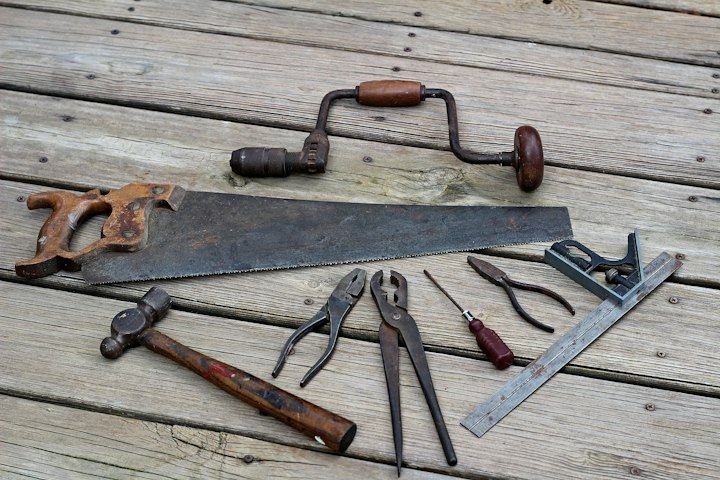
    An old carpentry tool kit
    Photo by Hunter Haley on Unsplash

    Watch your husband on an ordinary Saturday. He fixes the wobbly chair. He teaches your son to throw a ball, badly at first and then a little better. He says grace at lunch in the same few words he always uses. None of it earns money, and none of it shows up on a bank statement. Your children will remember all of it.

    Our culture tends to measure a father by what he earns, and wives can absorb that without noticing. This post looks at how God measures a father, and at how you can help your husband and your children see it. The post More Than a Provider looks at his worth as a husband. This one is about his worth as a father.

    The Weight of Providing

    Paul writes, “But if anyone does not provide for his own, and especially for those of his household, he has denied the faith and is worse than an unbeliever” (1 Timothy 5:8). Providing matters. But Paul is not reducing a father’s calling to his income.

    Before sin entered the world, God gave the man work: “The LORD God took the man and put him in the garden of Eden to tend and keep it” (Genesis 2:15). Work was a gift. It was never meant to become a man’s whole identity.

    Many fathers carry money worries silently. When a job is uncertain or money is tight, they can feel they are failing their children, even while working hard and sacrificing in ways no one sees. Families differ, too. In some, both parents earn. In others, a father cannot work for a time because of illness or job loss. His worth to his children has not changed.

    “Unless the LORD builds the house, They labor in vain who build it” (Psalm 127:1). The psalm goes on: “It is vain for you to rise up early, To sit up late… for so He gives His beloved sleep” (Psalm 127:2). A father should work diligently. Security finally comes from God.

    What God Asks of a Father

    To teach. “And these words which I command you today shall be in your heart. You shall teach them diligently to your children” (Deuteronomy 6:6–7). Notice the order. God’s Word goes into the father’s heart first, then out to his children. Most of this teaching happens in ordinary moments: at the table, in the car, while working on a project together.

    To show compassion. “As a father pities his children, So the LORD pities those who fear Him” (Psalm 103:13). Each time your husband answers your children with patience rather than anger, he gives them a picture of their heavenly Father.

    To live with integrity. “The righteous man walks in his integrity; His children are blessed after him!” (Proverbs 20:7). Proverbs describes a general pattern, not a guarantee about any particular child. Still, a father’s honesty and steadiness shape his children long after they leave home.

    To be present. Paul described his care for the church this way: “as you know how we exhorted, and comforted, and charged every one of you, as a father does his own children, that you would walk worthy of God” (1 Thessalonians 2:11–12). Encouraging, comforting, and urging all require being there.

    What Children Remember

    Children rarely remember what their father earned. They remember whether he came to the game, whether he listened, and whether he laughed with them. When a father is often absent, in body or in attention, other voices fill the space.

    Much of a good father’s work is quiet and repetitive: getting up with a sick child, giving up a Saturday to coach a team, staying patient after a long day. The Bible’s encouragement fits him: “And let us not grow weary while doing good, for in due season we shall reap if we do not lose heart” (Galatians 6:9).

    If you want ideas for time together that cost little or nothing, the free Something to Do Together tool can suggest activities for him and the children.

    Not every child has a father at home. Death, divorce, illness, or other circumstances can leave a gap. God calls Himself a father of the fatherless (Psalm 68:5), and He often fills that gap through grandparents, pastors, church families, and faithful friends. If that is your family’s situation, it is not a failure on your part, and God has not overlooked your children.

    How You Can Affirm Him

    Proverbs describes a wife whose husband trusts her: “The heart of her husband safely trusts her; So he will have no lack of gain. She does him good and not evil All the days of her life” (Proverbs 31:11–12). Your trust and respect shape how freely he leads.

    Tell him what you see. “The kids light up when you come home.” “Thank you for being so patient with her tonight.” Many fathers hear far more about what went wrong than what went right.

    Praise effort, not only results. He may not get everything right with the children. Thank him for trying, for showing up, and for caring.

    Don’t compare. Measuring him against another father, or against a higher-earning friend, wounds him and teaches your children to do the same.

    Speak well of him in front of the children. They learn to honor their father largely from watching you.

    Pray for him. Many men carry burdens they rarely mention. The post on the hidden weight men carry has prayers you can use.

    Trusting the True Provider

    Money has its place, but it was never meant to define a father. A man who teaches God’s Word, shows patience, keeps his promises, and is there for his children is doing what matters most. Both of you depend on the same Father in heaven for what you need. This week, tell your husband one specific thing you have seen him do as a father that you are thankful for, and say it where the children can hear.

    Resources

    Keep Going