Category: Parenting

  • The Fight Behind the Fight: What Sibling Rivalry Reveals About the Heart

    The Fight Behind the Fight: What Sibling Rivalry Reveals About the Heart

    Why do siblings fight so much? Discover what sibling rivalry reveals about the heart and biblical peacemaking strategies that actually work.

    Wooden toy cars on a heart-shaped road
    Photo by Rod Long on Unsplash

    The screaming. The hitting. The endless referee duty.

    Sibling rivalry wears you out. Some days you wonder if your children will ever stop fighting over toys, attention, who sits where at dinner, or whose turn it is to pick the show. You have tried reasoning, separating, and promising consequences. Nothing sticks.

    Almost all siblings fight, and the squabbles are not proof that you are failing as a parent. Much of this conflict comes from growing up together in close quarters.

    The better question is not how to make the fighting stop entirely. It is how can you use these daily conflicts to shape your children’s hearts toward biblical peacemaking, with habits and character that will follow them for the rest of their lives?

    Your home can be a training ground where grace and truth meet, and where your children learn skills they will carry into every future relationship.

    More on this in When Motherhood Feels Too Loud.

    Why Your Kids Fight So Much: Understanding the Heart Behind the Conflict

    Constant bickering tells a deeper story. Understanding sibling conflict means looking past the squabble itself to what is happening in your children’s hearts, and in yours.

    Normal Development vs. Patterns That Require Attention

    Sibling conflict is common in early and middle childhood, and it often eases as children grow older. That is ordinary development. Children who share a home, toys, and your attention will bump into each other. This is proximity, not necessarily dysfunction.

    But not all fighting is the same. You need to know the difference between typical rivalry and harmful patterns that call for more serious attention.

    Normal rivalry tends to look balanced. Both children have roughly equal power, neither one always wins, and neither is always the target. Conflict becomes something more serious when it turns into real aggression: physical violence, cruel emotional attacks, or destroying property to cause harm. It becomes abuse when one child repeatedly victimizes another because of an imbalance in age, size, or ability. In those situations you are dealing with something different, and it calls for direct, sustained parental involvement.

    Age gaps, personalities, and seasons of life all affect how much a household fights. Knowing this helps you adjust your expectations and your approach to fit your own children.

    What’s Really Driving the Arguments

    Most sibling fights are, at their root, a competition for limited resources, and the most limited resource in any household is your attention.

    Children spend most of their free time together under the same roof. After a long stretch of playing peacefully, they may suddenly erupt over a toy. What they are often reaching for is your attention after a long period of good behavior.

    Developmental stages create friction too. Toddlers are attached to their belongings and are asserting their will for the first time. School-age children have a strong sense of fairness and struggle to understand why a younger sibling is treated differently. Teenagers are growing toward independence, which can make family responsibilities and shared space feel like intrusions.

    Individual temperaments create natural clash points. A calm child may frustrate an easily overwhelmed sibling, or the other way around. A child who seeks a lot of comfort may stir up resentment in siblings who want the same attention.

    Sometimes there is more going on. Children who are tired, hungry, anxious, or struggling with something like a learning difference, sensory challenges, or a hard transition may fight more. If the fighting seems out of proportion, a pediatrician or a counselor can help you look at the whole child.

    Then there is the factor most parents underestimate. Your children are watching how you handle conflict with your spouse, with your friends, and with them. If they regularly see raised voices, slammed doors, or the silent treatment, they are likely to copy those patterns. Your conflict habits are being taught, for better or worse.

    What Fighting Reveals About the Heart

    This is where the Bible helps most. God’s Word speaks plainly about the source of human conflict:

    “Where do wars and fights come from among you? Do they not come from your desires for pleasure that war in your members? You lust and do not have. You murder and covet and cannot obtain. You fight and war.” (James 4:1–2)

    James is writing to adult believers, but the passage fits your six-year-old well. Sibling fights show our human tendency toward selfishness, the demand to come out on top, and the difficulty, apart from grace, of setting aside what we want for the good of another.

    The doctrine of total depravity does not mean children are as bad as they could possibly be. It means every part of their nature, including their social instincts, is touched by the fall. Children do not need to be taught to want what they want. They need the gospel, and they need patient shaping and discipling toward a different way of living.

    And this is also a reason for hope:

    “As iron sharpens iron, So a man sharpens the countenance of his friend.” (Proverbs 27:17)

    God can use even the friction of sibling conflict to sanctify. Every argument where a child must choose between retaliating and extending grace, every moment where a child is asked to confess a wrong he would rather excuse, and every chance to forgive when it does not feel like it is part of spiritual formation. These moments are not interruptions to your children’s growth. They can be part of it.

    The heart patterns forming in your living room now, whether toward service or self-interest, humility or pride, forgiveness or bitterness, can follow your children into their friendships, marriages, and parenting. What happens between your children matters. It is also not the whole story, and God is able to redeem what we get wrong.

    Five Common Mistakes That Make Sibling Conflict Worse

    Most parents respond to sibling conflict with good intentions and mixed results. Knowing what tends not to work is a good first step toward something better.

    Mistake 1: Rushing In Too Quickly

    The screaming starts. You drop everything and race to the scene.

    That response can tell your children that someone else will always solve their problems. Leaving them entirely alone (“work it out yourselves”) is not the answer either, and neither is stepping in to take over or punishing right away. What helps is coaching.

    When you jump in before your children have had any chance to work through the conflict themselves, you take away the practice they need. Conflict resolution is a skill, and like any skill it takes repetition, failure, and coaching.

    A better starting point is to look for patterns. Do fights break out before naps? When hunger hits? After long stretches without time with you? Sometimes a small adjustment like an earlier snack, a calming activity, or some one-on-one time prevents fights before they start.

    The most helpful approach is coaching and mediation. You guide instead of dictate, and you help each child see the other’s perspective and work toward a solution together. Your job is to build their ability, not just to solve this one problem.

    Mistake 2: Playing Judge and Jury

    “She started it!” “He hit me first!”

    When you regularly take sides, both children can come away feeling less secure. The child who “wins” may learn to look to you for approval instead of learning to resolve things himself. The child who “loses” may learn to nurse a grievance. Neither practices resolving conflict.

    You also face a practical limit: you almost never know the full story. The child now in tears may have been quietly provoking for twenty minutes. The child calling names may be reacting to a real hurt he has not yet found words for.

    “If it is possible, as much as depends on you, live peaceably with all men.” (Romans 12:18)

    You do not have to find the guilty party and hand down a verdict. You need to help both children see their part in what happened, because there is nearly always a “part” on both sides. Then help both of them move toward real repair.

    Mistake 3: Demanding Hollow Apologies

    “Say you’re sorry. Right now.”

    This is one of the most common mistakes parents make, and it is worth thinking through carefully. When you require an apology while a child is still angry, you can teach that the right words matter more than a changed heart. You train performance when you want repentance.

    Children can learn to say “I’m sorry” with their mouths while they seethe inside, and some grow into adults who apologize to end an argument instead of because they are sorry.

    The gospel runs in the opposite direction. God does not ask for surface compliance. He changes hearts by His Spirit, and He grants repentance (Acts 11:18; 2 Timothy 2:25). The same pattern applies in small ways to your children’s conflicts. You are aiming at heart change that produces real sorrow, and pressure only produces hollow words.

    Timing matters. When a child has had time to calm down and feel safe, the conversation can go much deeper. Ask open-ended questions. Help him see how the other person was affected. Once he recognizes that his actions caused harm, ask what he wants to do about it. An apology that grows out of that process is worth far more than a coerced one.

    Mistake 4: Using Separation as Punishment Without Instruction

    Sending one child to time-out while the other stays at the scene can set up two patterns you do not want. The separated child feels that you are on the other side, and the child who stays begins to see himself as a victim in need of protection.

    Separation without instruction misses the discipleship opportunity. Your children need your presence and loving engagement more than isolation. Time apart can be useful, and cooling off can be necessary, but it should be followed by a guided conversation that gets at the root issue and not just the outburst.

    “Now no chastening seems to be joyful for the present, but painful; nevertheless, afterward it yields the peaceable fruit of righteousness to those who have been trained by it.” (Hebrews 12:11)

    Biblical discipline aims at restoration, not at punishment for its own sake. When you separate fighting siblings, let them cool off with a purpose. Then bring them back together, with you present, to work toward repair.

    Mistake 5: Treating Symptoms Instead of Hearts

    Managing behavior without reaching the heart is like treating a fever by putting ice on your forehead. The symptom may ease while the cause goes untouched.

    Your children will find new things to fight about every week. Reward charts, consequence systems, and point tracking may have their place, but they cannot do the deeper work of shaping character. That work means engaging their hearts: helping them name what they feel, asking why they wanted what they wanted, and connecting their behavior to their relationship with God and with their sibling.

    Character training is slower, messier, and more demanding than behavior management, but it lasts.

    Raising Peacemakers, Not Just Peacekeepers

    The Bible gives you something worldly parenting advice cannot: a picture of what your children are being shaped into, and a clear framework for getting there.

    Peacemaking vs. Peacekeeping

    Peacekeeping suppresses conflict. It is the “just get along” approach of avoiding the argument, pushing down the feelings, and making the noise stop. It produces surface calm and quiet resentment.

    Biblical peacemaking is different. It goes through conflict instead of around it. It requires honesty, which is uncomfortable. It requires confession, which is humbling. It requires forgiveness, which is costly. And it leads toward real reconciliation, which is worth every step.

    The God who calls your children to be peacemakers is the God who made peace at the highest possible cost, through the death of His Son. Romans 5:10 reminds us: “For if when we were enemies we were reconciled to God through the death of His Son, much more, having been reconciled, we shall be saved by His life.” Peacemaking is active and costly, and it is worth it.

    “Blessed are the peacemakers, for they shall be called sons of God.” (Matthew 5:9)

    Your children do not become peacemakers by avoiding conflict. They grow into peacemakers by learning to walk through it with grace and truth, by the Holy Spirit’s work in them. This is sanctification. God gradually conforms His people to the image of His Son, and the ordinary friction of family life is one of the places He does it. Parents teach and model, but only God changes hearts, so there is no promise here that every child will respond on your timeline.

    Three Biblical Skills Every Child Needs to Learn

    1. Learn to Overlook Minor Offenses

    Not every annoyance calls for a confrontation. The Bible says so plainly:

    “The discretion of a man makes him slow to anger, And his glory is to overlook a transgression.” (Proverbs 19:11)

    Letting small things go, such as an eye roll, an irritating sound, or a minor slight, is a real virtue. When your child chooses to overlook a small offense instead of escalating it, he is practicing patience with someone who has not asked for it. This is the same grace he has received from God, now flowing outward.

    Teach your children to ask themselves, “Is this worth addressing, or can I let it go?” Help them develop the discernment to tell the difference. This one skill can change the atmosphere of your home.

    2. Talk It Out Directly When Overlooking Isn’t Enough

    When an offense is serious enough that overlooking it would breed resentment, God’s Word gives a clear path:

    “If your brother sins against you, go and tell him his fault between you and him alone. If he hears you, you have gained your brother.” (Matthew 18:15)

    Jesus is speaking here about believers in the church, so using these steps with young children is a wise application of the principle and not a direct command about siblings. In the home, it means each child learns to approach the other honestly and humbly. They learn to seek understanding and repair, not to declare victory or assign blame. Your child learns to say not only “you hurt me when…” but also “I was wrong when I…”

    A good conversation involves humble confession and real forgiveness on both sides. Help your children see that they are almost never the only wronged party. There is nearly always a “my part” to own, even when the other person’s offense was bigger.

    3. Seek Help from a Trusted Mediator

    Sometimes direct conversation fails. The hurt is too deep, the positions too firm, and the emotions too raw. The Bible expects this:

    “But if he will not hear, take with you one or two more, that ‘by the mouth of two or three witnesses every word may be established.’” (Matthew 18:16)

    In your household, you are that trusted mediator. Your role shifts with what your children need in the moment. Sometimes you are a coach, helping them plan a direct conversation. Sometimes you are a mediator, bringing both sides together for a respectful talk. Occasionally you are an arbitrator, when coaching and mediation have not worked and a decision needs to be made.

    Know which role is needed before you step in, and remember that the goal is always to build their ability to handle future conflicts, not just to settle this one.

    When to Step In and When to Step Back

    Biblical wisdom takes discernment. That means knowing which fights need your immediate presence and which ones teach more if you stay out of them.

    Three Situations That Require Immediate Intervention

    1. When Things Get Physical

    Physical aggression calls for your presence. When there is hitting, pushing, kicking, or throwing, step in with calm authority. Do not match the energy in the room.

    Say something like, “I can tell everyone is really frustrated right now. Let’s take a moment to calm down, and then we’ll talk about what happened.”

    Your calm is leadership, not weakness. A raised voice from you fuels the power struggle and puts every child on the defensive. Check for injuries without placing blame. Offer water, a snack, or a few deep breaths. Do not try to resolve the conflict until everyone has settled. Emotions need time to cool before hearts can hear.

    2. When Words Become Weapons

    Verbal attacks that tear down a child’s character call for gentle but firm intervention. Statements like “You’re stupid,” “I hate you,” or “Nobody likes you” hurt both the child who says them and the child who hears them. The one speaking may be carrying his own pain or shame.

    “Let your speech always be with grace, seasoned with salt, that you may know how you ought to answer each one.” (Colossians 4:6)

    You might say, “The rule in our home is that we treat each other with kindness and respect. That’s not something we negotiate.” Get to the heart issue behind the words later, when everyone has calmed down.

    3. When One Child Consistently Dominates Another

    Bullying between siblings can do lasting damage. When one child regularly overpowers, belittles, or controls another, mediation will not work. It can even make things worse by giving the dominant child more chances to manipulate.

    Watch for patterns. Does the aggression happen at the same time of day? When one child is hungry, tired, or overstimulated? Does it follow a predictable trigger? Address the pattern, not just the incident. Believe the child who is being hurt. And remember that sometimes the child labeled “difficult” is the one who has been hurt again and again and is finally reacting.

    If one child is repeatedly being hurt, if there is any sexual behavior between children, or if you are afraid for a child’s safety, do not wait. Reach out to your pediatrician, a licensed counselor, and your pastor. If a child is in immediate danger, call 911.

    When to Step Back and Let Them Practice

    Most parents find it hard to balance stepping in too early, too late, and too often.

    “A fool’s wrath is known at once, But a prudent man covers shame.” (Proverbs 12:16)

    When voices begin to rise but no one is in danger and no one is being degraded, try questions instead of commands. “Do you two need some help working this out, or do you want to try on your own first?” This gives them some ownership and lets you see whether they can handle it independently.

    Watch without judging, and describe what you see without solving it. “It looks like you both want the same book right now, and you’re both frustrated.” Then stop talking and give them space to respond. Your job in that moment is to calm the atmosphere so they can think, not to hand down justice.

    When siblings squabble and no one is at risk, step back. You are not rewarding bad behavior. You are giving them room to practice. Some of your children’s best growth in resolving conflict will happen when you are not in the room.

    How to Teach Real Forgiveness, Not Just “Say Sorry”

    Forgiveness is both a command and a gift. Teaching it takes patience, a biblical framework, and willingness to slow down when everything in you wants to move on.

    Step 1: Help Them See What They Actually Did

    Before any apology, your child needs to understand what he did. Ask him to explain what happened and why. Help him trace the full impact: how it affected the other person and how it affected the relationship between them.

    Use biblical language. You might try, “I sinned against you and against God when I [specific action].” This connects your child’s behavior to God’s standard and not only to social rules. It helps him see that conflict has a vertical side. He can learn to see it not just as “I upset my brother” but also as “I acted in a way that dishonors God.”

    Always separate the person from the behavior. “You made a sinful choice” is different from “you are bad.” Make it clear that your love does not depend on his performance. Real conviction leads toward repentance, and shame leads away from it. The Bible draws a clear line between godly sorrow, which produces repentance, and worldly sorrow, which produces only guilt and defensiveness (2 Corinthians 7:10).

    Step 2: Wait for Genuine Sorrow

    Coerced apologies can teach children that it is acceptable to say words they do not mean to end discomfort. When you force an angry child to say “sorry,” the words often add to his resentment.

    Instead, try asking, “Do you have any sorrys in you to give right now?” This invites your child to look inward instead of performing. If he says no, tell him an apology will be needed and that you trust him to offer it when it is real. Then give him time.

    This is not permissiveness. It reflects how real repentance works. Hearts cannot be commanded. They can only be cultivated through steady teaching, the example of your own repentance, and the Holy Spirit’s work, which you cannot manufacture or rush.

    Step 3: Give the Offended Child Freedom to Choose

    Forgiveness is a choice, and it should not be pressured. Do not force a child to forgive on your timeline. You might say: “You can choose to forgive when you are ready. And I trust that you will.”

    This protects both children: the one who was wronged, from being pushed into a false peace, and the one who did wrong, from receiving an empty pardon that repairs nothing.

    Teach your children that forgiveness is a decision made in obedience to God, often before the feeling catches up. Ephesians 4:32 calls us to forgive “as God in Christ forgave you.” That is the standard. We forgive because we ourselves have been lavishly forgiven, whether or not the other person deserves it.

    Step 4: Make It Right Through Action

    After asking for forgiveness, help your child think about how to restore what was broken. That might mean replacing a damaged toy, doing an extra chore, or writing a note. The action gives concrete form to the repentance and shows that the words were real.

    Jesus did not simply declare forgiveness from a distance. He made things right at the highest possible cost. As your children learn to make repairs through action, they take part in a small way in the same pattern of costly love at the center of the gospel.

    What to Say and Do When Conflict Erupts

    When Hitting and Kicking Happen

    Separate children calmly without raising your voice.

    • Say, “I can see everyone is really upset. Let’s take a few minutes to calm down.”
    • Check for injuries without commentary or blame.
    • Offer water, a snack, or deep breaths to help bodies settle.
    • Do not try to resolve things until everyone is truly calm. Thirty seconds of quiet is not calm.

    Your energy sets the tone of the room. Stay steady. Calm authority is stronger than volume.

    When Words Are Being Used as Weapons

    • Step in gently but clearly: “In our home, we speak to each other with kindness and respect.”
    • Speak to both children, the one who spoke cruelly and the one who received it.
    • Later, in a calmer moment, ask the child who used cruel words what was going on inside.

    Remember that a child who calls names is often carrying pain he does not know how to express another way. Name-calling is a symptom, not the root. That does not make it acceptable.

    When They Won’t Apologize

    • Do not force the words. Forced apologies produce performance, not repentance.
    • Ask, “What could you do to help them feel better right now?” Offer a few small, concrete options.
    • Make it clear that an apology is expected when he is ready, and that you trust him to get there.

    True repentance comes from a changed heart. Create the conditions, offer the teaching, model the practice, and trust God with the work you cannot do.

    When You’re the One Who Needs to Apologize

    This may be the most important section in this guide.

    When you lose your temper, take sides unfairly, demand a hollow apology, or handle a conflict in a way that contradicts what you are trying to teach, say so. Out loud, in front of your children.

    “I was wrong to raise my voice. I’m sorry. That wasn’t kind, and it wasn’t fair. Will you forgive me?”

    Each time you do this, you give your children something more valuable than a lesson. You show them that biblical peacemaking is real, that adults need it too, and that repair is possible. Your willingness to model repentance is one of the strongest discipleship tools in your home.

    Building a Home Where Siblings Become Friends

    Give Them Opportunities to Practice Loving Each Other

    Siblings who often experience kindness from each other are building a good foundation for friendship. Conflict teaches them how to repair, and service teaches them how to love.

    Create small, regular chances for your children to care for one another. When one child is sick, let the other bring a snack or a book. When one finishes something difficult, invite the sibling to celebrate. After an older child helps a younger one learn something, acknowledge it specifically: “You were patient and kind. That’s what good siblings do.”

    Small acts of service build large hearts over time.

    Acknowledge Every Step Toward Peace, Not Just the End Result

    Specific, timely encouragement helps shape behavior and character. When your children choose kindness, name it. When they overlook an offense, honor it. When they work through a conflict without your help and reach a repair on their own, make it a big deal.

    “You made it right. That took courage. I’m proud of you.”

    Do not wait for flawless peacemaking before you celebrate. Celebrate the effort and the step. Grace grows where you water it with attention.

    Model What You’re Teaching Every Single Day

    Your children are watching you, not just occasionally but constantly. They see how you handle frustration, how you speak to your spouse when you disagree, whether you admit when you are wrong, and how you talk about people when they are not in the room.

    You are modeling conflict and peacemaking for your children whether you intend to or not. Make it intentional. Let them see you struggle, fail, and return. Let them hear you ask for forgiveness. Let them watch you choose patience when impatience would be easier.

    Philippians 2:13 reminds us that God works in us to will and to do according to His good pleasure. Your job is not to force peace in your home. It is to create the conditions where God can work in your children’s hearts and in yours.

    What You’re Really Building

    Sibling rivalry feels urgent and exhausting day to day. In the longer view, it is also an opportunity.

    The conflicts happening in your living room today can shape how your children handle their future families. A child who learns to overlook a brother’s annoying habits is gaining a skill she may need with a future husband. A child who learns to confess his wrong and seek forgiveness is building a pattern he may carry into fatherhood.

    Ephesians 4:22–24 calls us to “put off, concerning your former conduct, the old man… and that you put on the new man which was created according to God, in true righteousness and holiness.” Sanctification is the lifelong work of putting off the old self and putting on the new, and your children are in the early stages of it. The habits formed at six, at ten, and at fourteen will influence the adults they become.

    “Mercy and truth have met together; Righteousness and peace have kissed.” (Psalm 85:10)

    This is a vision for your home: a place where love and faithfulness meet, where righteousness and peace are held together, and where your children learn slowly, messily, and step by step to reflect the character of a God who made peace at the highest possible cost.

    Related reading: Stop Saving Your Best for Strangers.

    You cannot do this work alone, and you were never meant to. God gives the Holy Spirit to help you through every tiring, repetitive, discouraging moment. He is patient with your children’s growth, just as He is patient with yours.

    God can use the peacemaking skills you teach and model today for years to come.

    Keep going.

    Resources

    Keep Going

    Digital resources

    • Heart Lists 50 Bible-based pages for kids.
    • The Thrive Deck 126 Christ-centered connection cards across 7 categories, built to help your family grow closer week by week.
  • Before the Culture Disciples Your Child, You Can

    Before the Culture Disciples Your Child, You Can

    Discover how to disciple your child before culture shapes them, using everyday life, biblical truth, and intentional habits to build lasting faith.

    A child's hands playing with wooden train tracks
    Photo by Regi Munandar on Unsplash

    You want your children to know Jesus deeply, to grow in wisdom, kindness, and grace, and to stand firm in their faith whatever the world throws at them.

    But someone is discipling your child right now.

    The culture grows more hostile to biblical faith every year. Social media, secular schools, friends, and entertainment all compete for your children’s hearts every day, and the world is glad to fill any space you leave empty.

    God did not leave parents without a plan. From the opening pages of the Bible through the letters of the apostles, His design is clear: parents are the primary disciple-makers of their children. It is a calling to embrace, and it does not require flawless parents. It requires faithful ones.

    Someone Is Always Discipling Your Child

    The Battle for Their Hearts Is Already Underway

    The Bible is clear. God designed the home, and the church comes second, as the main place where children are formed spiritually. This runs through the Old and New Testaments and has never been revoked. Parents are their children’s first pastors, first teachers, and most lasting spiritual influence.

    Many Christian parents quietly expect the church to carry their child’s discipleship, while the Bible places that responsibility first on parents. Pastors, Sunday school teachers, and youth leaders are a gift. They were never meant to take your place.

    That is a reversal of God’s design.

    “You shall love the LORD your God with all your heart, with all your soul, and with all your strength. And these words which I command you today shall be in your heart. You shall teach them diligently to your children.” (Deuteronomy 6:5–7)

    The word “diligently” in this passage carries the sense of sharpening, of pressing in with purpose. God was not describing a passive, accidental influence. He was calling parents to deliberate, daily, whole-life instruction.

    The Culture Is Actively Teaching Your Children

    Every culture teaches its people how to think, feel, and act, and ours is no different. Today’s culture is also louder, more constant, and more carefully designed than anything earlier generations faced.

    Your children meet big questions about identity, gender, sexuality, and meaning before they have the maturity to sort them out. Social media delivers those questions through curated content built to hold their attention, and no loving relationship stands behind it.

    Adolescents especially crave belonging and feedback. When their sense of identity is shaped by algorithms and peer pressure instead of the Word of God and the love of family, they become very vulnerable.

    The hidden messages are everywhere: in the shows they watch, the music they hear, the friends they admire, and the influencers they follow. Children soak up these values slowly and often without noticing. If you do not help your children understand who they are in Christ, the culture will answer that question for them, and it will answer wrongly.

    Passive Parenting Leaves a Vacuum the World Will Fill

    When parents step back from the role God gave them, whether from busyness, insecurity, or misplaced permissiveness, their children do not simply drift. They are pulled. The world, the flesh, and the devil are active, and they go after your children’s hearts with energy.

    Children raised with little structure, correction, or spiritual instruction are not freer for it. Without the loving structure of parental authority, they are more anxious, more open to peer pressure, and less ready for a complicated world.

    “Fathers, do not provoke your children to wrath, but bring them up in the training and admonition of the Lord.” (Ephesians 6:4)

    Look at what Paul calls fathers to do. He does not ask for harsh control or for passive absence. He asks for purposeful, gospel-shaped discipline and instruction. The word for “instruction” here (nouthesia) carries the idea of training the mind and will. This is active, attentive, loving parenting, and it is a responsibility you cannot hand off.

    Your children will be discipled by someone, so let that someone be you.

    God’s Design: You Are Your Child’s First Pastor

    A Calling Rooted in God’s Word

    Children born into Christian homes hear the gospel from their earliest days. They grow up under God’s promises and the teaching of His Word, and their parents are accountable to God for how they shepherd these young souls.

    This is why Deuteronomy 6 is as binding and as beautiful for parents today as it was for Israel. The gospel has not replaced this responsibility. It has deepened it. You now have more than the Law to teach your children. You have the full revelation of the Son of God, His life, death, resurrection, and reign.

    Even in the Old Testament, when priests and prophets were available, the main burden for a child’s discipleship rested on the parents. Paul carries the same pattern into the church age in Ephesians 6:4. The church comes alongside parents in this calling, but it was never designed to take their place.

    You Cannot Give What You Do Not Have

    The blueprint in Deuteronomy 6 begins with a command to love God yourself, before it ever mentions teaching your children. “You shall love the LORD your God with all your heart, with all your soul, and with all your strength” (Deuteronomy 6:5). The instruction about children comes only in verse 7.

    That order matters. Family discipleship starts with the parents’ own discipleship. You cannot lead your children steadily and sincerely toward a God you are not seeking yourself. Your love for God’s Word, your prayer life, and your own pattern of repentance and faith are foundational to your parenting.

    More on this in How to Create a Christ-Centered Home Without Overcomplicating It.

    A parent who is growing in grace will overflow into the lives of their children. A parent who has grown cold or complacent will find it hard to kindle warmth in the next generation.

    Family discipleship begins with your own walk with God. Before you ask what you will teach your children, ask how you are pursuing Christ yourself.

    Discipleship Happens in Ordinary Life

    One of the most freeing truths in Deuteronomy 6 is that God does not call you to a formal curriculum and a daily classroom. He calls you to weave His Word into everyday life. He names four ordinary moments: sitting at home, walking along the way, lying down at night, and rising in the morning. Each one is a discipleship opportunity.

    So family discipleship is a way of moving through the day with spiritual awareness. It looks like asking questions at dinner, praying in the car, talking about God’s creation on a walk, going back to the Bible when conflict comes up, and confessing sin to your children when you fail.

    You do not need a seminary degree or elaborate materials. If you taught your child to brush their teeth, you are equipped to teach them about Jesus. The question is whether you are willing, because qualification is not the issue.

    Creating a Home Where Jesus Is Present Every Day

    Make Christ the Center, Not the Decoration

    A Christ-centered home is more than a house with Bible verses on every wall or Christian vocabulary in every sentence. It is a home where the lordship of Jesus Christ shapes the values, the rhythms, the relationships, and the atmosphere of daily life.

    Related reading: When Motherhood Feels Too Loud.

    Christ is the Head of the household. He is the unseen guest at every meal and the silent listener to every conversation, and He is the One to whom parents will answer for the souls in their care. Knowing this does not make family life stiff or burdensome. It makes it steady, and it gives the home a center that holds everything together when life gets hard.

    All of life is to be lived coram Deo, which means before the face of God. No corner of family life falls outside His lordship. That includes the homework, the arguments, the laughter, the grief, and the ordinary Tuesday afternoon. When parents live with this awareness, the home becomes a place of real spiritual formation.

    Grace Must Saturate Your Home

    Your home should be a place where children can fail, question, struggle, and grow, and still know with certainty that they are loved. That is the gospel applied to family life, and it has nothing to do with permissiveness.

    Children who grow up where repentance is modeled, forgiveness is freely given, and worth is rooted in who they are in Christ develop a very different relationship with God than children raised mostly under law and fear. They learn that the gospel is something lived in the home, as well as something believed in the mind.

    When you lose your temper, repent to God and to your children. When your child disobeys, discipline with both clarity and tenderness. Save your firmest corrections for what truly matters, so your children learn the difference between a spilled glass of milk and a hardened heart. Show them what it looks like to be a sinner saved by grace who is still being sanctified.

    “Fathers, do not provoke your children to wrath, but bring them up in the training and admonition of the Lord.” (Ephesians 6:4)

    Your Life Is Your Loudest Sermon

    Children learn far more from what they see than from what they are told. The faith you live in front of them will shape them more than any lesson you teach. That includes your daily prayer, how you use the Bible, how you treat your spouse, how you handle disappointment and conflict, and what you do when no one is watching.

    This is a sober responsibility and a real encouragement. Your children do not need a flawless parent. They need a real one. They need to see how a forgiven sinner lives in dependence on Christ. They need to watch you seek wisdom from the Word, trust God when things are uncertain, confess failure with humility, and press on in faithfulness.

    Invite your children into your life, and let it go beyond your lessons. Let them see you pray. Let them hear you speak about God with real love and without a sense of religious duty. Let them watch how you make decisions, handle stress, and treat other people. Character is caught as much as it is taught.

    Weaving Discipleship Into Your Daily Life

    Every Moment Is a Potential Discipleship Moment

    Moses told Israel to teach their children through formal instruction and through unplanned conversations woven into every part of daily life. That mix of intentional teaching and natural gospel conversation is the biblical pattern for family discipleship.

    Cooking together opens conversations about God’s provision and gratitude. Household chores teach stewardship and faithful work. A hard moment between siblings becomes a chance to talk about forgiveness and the cross. Fear at night becomes a reason to pray together and remember that God is present. A question about injustice in the news opens the door to the doctrine of sin, the promise of Christ’s return, and the call to love your neighbor.

    You do not have to turn every moment into a mini-sermon. You can help your children learn to see ordinary life through a biblical lens. Deuteronomy 6 treats every part of life as belonging to God, and the Bible gives no reason to divide your children’s world into the sacred and the secular.

    Simple Spiritual Habits That Anchor Your Family

    You do not need elaborate family devotions to build lasting spiritual rhythms. You need steady, sincere moments that point your family to God and become the anchors of your home life.

    Consider building a bedtime prayer routine with your young children. Keep it simple enough to manage after a hard day and regular enough to become the expected close of every evening. Ask what they are thankful for. Pray for them by name. Speak God’s love over them. These moments are never wasted. They become the vocabulary of faith your children carry into adulthood.

    Recite God’s Word in the car. Sing hymns and psalms during chores. Pray before meals with real words instead of rote repetition. Read the Bible together, even when it is brief and messy. Over thousands of small moments, these habits build a foundation that Sunday morning alone cannot provide.

    You do not need elaborate devotions. You need sincere moments woven into real life.

    Address the Heart, Not Just Behavior

    The great temptation in Christian parenting is to aim for good behavior and skip over heart change. God’s Word calls us to something deeper. Behavior is a symptom of what is happening in the heart. If you address only the outward action, you may raise children who look well-behaved but are unchanged inside, and who walk away from their faith once the outside pressure is gone.

    Before you correct your child, pause and ask yourself, “What is happening in their heart right now? What do they need to understand about God, themselves, and the gospel in this moment?” Come to correction with a gentle, calm presence. Your tone, your face, and your posture say as much as your words.

    Your goal is more than children who behave correctly out of fear or habit. You are praying for children who love God, understand their own need for grace, and choose faithfulness from a changed heart. Changing behavior is much easier than changing a heart, and only heart change lasts into eternity.

    “Counsel in the heart of man is like deep water, But a man of understanding will draw it out.” (Proverbs 20:5)

    Ground Them in the Whole Counsel of God

    Perhaps the most important habit you can build in your home is a steady, lifelong engagement with the whole Bible. That means more than the beloved Psalms and the familiar Gospel stories. It means all of it, including the difficult passages, the hard doctrines, and the chapters that seem obscure or uncomfortable.

    God included every text in the Bible for a reason. In His Word He has given a complete curriculum for raising children who are equipped for every good work (2 Timothy 3:16–17). You do not need to anticipate every situation your children will face. You need to expose them to the full counsel of God and trust that He has already accounted for everything they will meet.

    Teach them the stories of Genesis so they understand creation, the fall, and the beginning of redemption. Work through the Psalms so they learn to speak honestly with God in every emotional state. Read the Prophets so they understand God’s holiness, justice, and covenant faithfulness. Study the Epistles so they grasp the depth of the gospel and what the Christian life asks of them. The whole Bible, faithfully taught, will form your children for faithfulness.

    Setting Boundaries That Prepare, Not Just Protect

    The Difference Between Sheltering and Equipping

    God calls parents to protect their children, but He does not call them to isolate their children from every difficulty, question, or hardship. Real protection prepares children to engage wisely with the world, and avoiding it entirely is a different thing.

    Think about how God relates to His people. He does not shield us from every trial. He allows hardship, brings us through suffering, and uses life’s difficulties to deepen our faith, shape our character, and show us our need for Him. He protects us without controlling us. He gives us the full knowledge of good and evil in His Word and trusts us, with the help of His Spirit, to discern and choose wisely.

    Parents who over-shelter their children may end up with children who are fragile instead of resilient, protected from the world but never equipped to live in it. Children need to face problems, experience fitting consequences, and learn to trust God in hard moments. Your job is to walk beside them through it, pointing them to Christ, and not to remove every obstacle.

    A prepared child is a protected child. You cannot shield them from everything, but you can equip them for what comes.

    Screens and devices are not evil in themselves, but they are dangerous when used without wisdom, boundaries, or parental involvement. Time on a device displaces face-to-face relationships, physical play, unstructured thought, and family conversation.

    You do not need to remove technology from your home, but you do need to govern it on purpose. Raise children who know how to use technology as a tool, and who are not shaped by it.

    Build clear, consistent expectations. No devices at meals. Screens out of bedrooms at night. No social media until you have walked beside your child long enough to prepare them for what they will meet there. These boundaries are wise, and they are no sign of overprotection. You are not banning your child from the world. You are going with them into it.

    Most importantly, model what you teach. If your children see you constantly distracted by your phone, your words about responsible technology use will carry little weight. Show them that your family governs technology and that technology does not govern your family.

    Teaching Discernment and Helping Your Child Tell Truth From Lies

    In an age of misinformation, ideological manipulation, and algorithm-driven content, discernment is a survival skill for Christian children. It is also a skill that has to be taught.

    Biblical discernment begins with the fear of the Lord. That means recognizing that God is the source of all truth, that His Word is the standard every other claim is measured against, and that wisdom begins with submission to Him (Proverbs 1:7). Children who are grounded in the Bible have a reliable framework for weighing ideas, claims, and worldviews.

    Help your children notice when what they are told does not match what they see. Teach them to ask questions: Who benefits from this message? What assumptions does this claim rest on? Does this agree with the Bible? Do not explain away the inconsistencies they notice. Affirm their instincts, give them words for what they are sensing, and teach them to bring their questions to God’s Word.

    Guarding Your Children’s Hearts in a Hostile World

    When School Contradicts God’s Word

    Christian parents need to understand that secular education is not religiously neutral. It is built on secular humanism, a worldview that removes God from the center of knowledge, replaces Him with human reason and experience, and denies that any moral truth is transcendent or binding. This is built into the structure of public education, and it is far from incidental.

    That does not mean your children cannot attend public school. Many faithful Christian families handle it well. It does mean parents cannot afford to be passive or naive about what their children are learning. The classroom is a place of discipleship, and the worldview taught there is not Christianity.

    Make a habit of talking through your children’s school day. Ask what they are learning and what questions it raises. When evolutionary theory is taught as unqualified fact, open Genesis and teach the doctrine of creation. When moral relativism comes up, open Proverbs and teach that wisdom begins with God. When questions of identity and sexuality arise, ground your children in the image of God, the goodness of His design, and the grace available in Christ. Help them see the difference between observable facts and the philosophical worldview in which those facts are being interpreted.

    “Train up a child in the way he should go, And when he is old he will not depart from it.” (Proverbs 22:6)

    Helping Your Children Choose Wise Friends

    The influence of peers grows as children move through adolescence. The Bible has much to say about the shaping power of friendship, and parents who ignore this area of their child’s life pay a high price.

    Your children do not naturally know what godly friendship looks like. They need you to show them through your example, through conversation, and through a home where good friendships can take root and grow.

    Make your home the place where your children’s friends want to gather. When you know the people in your children’s lives, you learn things no conversation with your child alone will give you. Treat their friends with warmth and interest. See them as young souls who also need to meet the love of Christ, and avoid treating them as threats to be screened.

    When friendship problems come up, resist the urge to take sides or rush in to rescue. Draw out the whole story. Ask your child what they said and did, what their friend might have been feeling, and what a wise and loving response could look like. You are helping them settle a conflict, and you are also teaching them to pursue reconciliation, extend grace, and build the deep, honest friendships that will sustain them for life.

    Your Child’s Questions Are Not a Crisis

    Adolescence is a season of questions. That does not mean your parenting has failed. It is a normal and even necessary part of spiritual growth, and for many young people the road to a lasting faith includes real questions, real doubts, and real wrestling.

    The worst thing you can do when your teenager voices doubt is panic, shut down the conversation, or get defensive. Those responses teach your child that faith cannot stand up to scrutiny and has to be kept away from honest questions. That is not the confidence that comes from knowing God’s truth.

    The Bible is not afraid of hard questions. The Psalms are full of anguished cries and honest wrestling with God. Job argued with the Almighty. The prophets questioned. The disciples doubted. Questions do not threaten God, and they often lead to a deeper faith that a child owns for himself. When your child asks a hard question, sit with them in it. Explore it together. Show them how to search God’s Word, how to pray for wisdom, and how to hold a tension humbly while trusting what God has clearly revealed.

    “That is a great question. Let’s look into that together” is one of the most powerful sentences a Christian parent can say.

    Faithfulness When You Feel Like Giving Up

    There will be seasons in your parenting when you feel exhausted and ineffective, and you wonder whether any of it is making a difference. The conflict feels constant. The resistance seems immovable. The gap between who you want to be as a parent and who you are in your weakest moments feels impossibly wide.

    This is the normal experience of faithful parenting in a fallen world. It does not mean you are failing. It means you are in a real battle that calls for real perseverance.

    Habits and character take time to form. They need consistent repetition over weeks and months before they take hold. Giving up after a few hard days robs both you and your child of the fruit patient faithfulness would have produced. Consistency, even when it is imperfect, tells your children that they matter, that the values you are teaching are real, and that you are not going anywhere.

    “And let us not grow weary while doing good, for in due season we shall reap if we do not lose heart.” (Galatians 6:9)

    Trust God’s Sovereignty Over What You Cannot Control

    You are responsible for faithful parenting. You are not responsible for outcomes that only God can produce. You cannot regenerate your child’s heart. You cannot guarantee that every seed you plant will bear fruit on your timeline. You cannot control every influence that touches your child’s life.

    This is a reason for deep, settled peace, and despair has no place here. The God who calls you to parent faithfully holds your child’s heart in His hands. He loves your children more than you do. His purposes for them are better than anything you could plan or engineer. And He is at work in the quiet, ordinary, grace-filled moments of family life, doing what only He can do.

    Your role is faithfulness. His role is sovereignty. You bring obedience, and He brings transformation. Trust Him with that.

    “And we know that all things work together for good to those who love God, to those who are the called according to His purpose.” (Romans 8:28)

    Partnering With Your Church Without Replacing It

    God has given your children two main communities of formation: the family and the church. They are not competitors. They are designed to work together, each doing what only it can do.

    The church provides what the family cannot: the gathered body of Christ, the public preaching of the Word, the ordinances of baptism and the Lord’s Supper, the accountability of a covenant community, and the ministry of qualified elders who guard sound doctrine. These are not optional extras for serious Christians. They are the ordinary means of grace through which God sustains and grows His people.

    Your children spend perhaps an hour or two each week in formal church settings. That time matters enormously, but it cannot carry the full weight of their discipleship. The family has the other 166 hours. When the church and the family both do what God designed them to do, your children are formed from every direction: in the gathered assembly and at home, through formal teaching and through daily life.

    Honor your local church. Make faithful attendance and real community a fixed part of your family’s life. Support your pastors and elders. Encourage your children to love and serve the body of Christ. Receive the ministry of your church as the gift it is, because through word, ordinance, and community, Christ speaks into your family.

    Your Children’s Hearts Are Worth the Effort

    Raising disciples in today’s culture is hard work. The challenges are real and the cultural pressure is heavy. The gap between who you want to be and who you sometimes are on a Tuesday afternoon can feel discouraging.

    But God has equipped you for this calling. He placed these particular children in your home, under your care, for His purposes and for their good. He does not ask you to be a flawless parent. He asks you to be a faithful one. And He promises to be present in it, working through even your weakness and failure to accomplish what only His grace can produce.

    Your children do not need a flawless home. They need a home where Jesus is truly present, where His Word is honored, where repentance is practiced, where grace abounds, where questions are welcome, and where the love of God is the steady, unconditional foundation under everything.

    Start where you are with what you have. Pray with your children tonight. Open your Bible together tomorrow morning. Ask the hard question. Confess the failure. Model the faith. Trust God with the rest.

    “You shall love the LORD your God with all your heart, with all your soul, and with all your strength. And these words which I command you today shall be in your heart. You shall teach them diligently to your children.” (Deuteronomy 6:5–7)

    This is your calling and your opportunity. By God’s grace, it is more than enough.

    Resources

    Keep Going

    Digital resources

    • Heart Lists 50 Bible-based pages for kids.
    • The Thrive Deck 126 Christ-centered connection cards across 7 categories, built to help your family grow closer week by week.
  • Why Your Teen Pulls Away and What You’re Doing to Cause It

    Why Your Teen Pulls Away and What You’re Doing to Cause It

    Learn how to rebuild connection with your teenager through patient communication, trust, biblical wisdom, and intentional time together.

    A sofa and coffee table by a sunny window
    Photo by Christian Lambert on Unsplash

    Few seasons of parenting feel as disorienting as the teenage years. The child who once told you every detail of the day now says, “I’m fine.” Conversations get shorter. Doors close more often. When silence or resistance replaces warmth, it is easy to fear you are losing their heart.

    Some of this pulling away is simply growth. God made adolescence a season of transition. A teenager is no longer a child and not yet an adult, and in God’s providence that in-between stage pushes them to wrestle with identity, conviction, responsibility, and faith. Even Jesus, as a boy, “increased in wisdom and stature, and in favor with God and men” (Luke 2:52). Growing up includes testing boundaries, forming their own thoughts, and learning to stand before God for themselves.

    Our children are not blank slates, and they do not belong to themselves. They are image-bearers and sinners in need of grace, growing under God’s sovereign hand. Their withdrawal is not random. The Lord can use even this tension to refine parent and child alike. Sometimes it shows us a teen’s immaturity. Sometimes it shows us our own idols, such as control, comfort, reputation, or fear.

    Some distance is normal, but certain responses from us can widen the gap without our meaning to. Harshness where patience was needed. Interrogation where an invitation would have helped. Control in place of shepherding. Reacting in the moment instead of praying first. God’s Word tells fathers, “do not provoke your children to wrath, but bring them up in the training and admonition of the Lord” (Ephesians 6:4), and the same wisdom guides mothers. When our tone, expectations, or worries crowd out grace and truth, we may add to the very distance we fear.

    You are not powerless, and you are not alone. Christ is building His church, and He cares about your teen’s heart even more than you do. He often uses ordinary means: patient conversations, humble repentance, steady instruction, and faithful love. We cannot promise how He will work in your home or how long it will take. We can trust that He is at work.

    Why Parents Struggle With Teen Distance

    The Gap Between Good Intentions and Genuine Connection

    Many Christian parents begin with faithful intentions. You pray for your teen, take them to church, lead worship at home, and try to raise them in the fear of the Lord. Yet a distance grows that you cannot quite bridge. You may wonder, Am I failing? Is my teen rejecting God, or rejecting me?

    Some pulling away is normal, but it also points to something worth noticing. Good intentions alone do not guarantee connection. A teen’s heart is not shaped by effort alone. God uses steady, wise, grace-filled shepherding, and He is the One who gives the growth.

    Many young people who grew up in church step away from it after high school, and most of us know a family where that has happened. Those who study this tend to find that young people are more likely to keep their faith when they see it lived at home in the ordinary week, not only on Sunday. That asks more of us than getting everyone to church. No parent can guarantee a child’s faith, because salvation is the Lord’s work. We are still called to teach, to model, and to pray.

    Teens Are Growing Up in a Challenging World

    Your teen lives in a culture full of ideas that conflict with God’s Word, and many of those ideas reach them through a phone every day. Even in Christian circles, biblical truth can start to feel foreign to them. Without help, many are unprepared for the questions adulthood will bring.

    Another obstacle is what teens see at home. They notice inconsistency quickly. When a parent’s behavior does not match what that parent says they believe, doubt grows. Hypocrisy, small or large, can wear down trust faster than any sermon can build it. None of us lives this out without failing, which is why honest repentance matters so much. More on that below.

    When Biblical Parenting Advice Feels Ineffective

    You have read the books, gone to the seminars, and tried the advice. Your teen still withdraws. Sometimes the problem is how the advice was applied. Sometimes it is that no technique was ever going to do what only time, prayer, and a safe relationship can do.

    Researchers who study young people who keep their faith often point to the same thing: they had a safe place to voice doubts and ask hard questions about God before they left home. Many teens never get that. Some adults answer questions with, “Just believe,” which can shut down the very curiosity God may use to grow a teen’s faith. The psalmists asked God hard things out loud. A question asked in a safe home is better than a question carried alone.

    Most teens also spend far more hours each week at school and online than in any kind of Bible teaching. That makes the conversations at home matter more than we might think.

    Understanding Your Teen’s Developmental Frame

    God created adolescence as a season of growth. The part of the brain that handles planning and judgment matures later than the parts that handle emotion, so teens often have adult-sized feelings and still-developing coping skills. When those feelings spill out as anger, withdrawal, or defiance, your teen may be testing whether it is safe with you. Underneath, they may be asking, Can I be heard? Am I still loved?

    Adolescence is also when young people practice relationships, weigh choices, and form their sense of who they are. Understanding that helps you answer with patience instead of frustration. Giving them safe chances to use their judgment, and to learn from mistakes, is part of how they grow into maturity.

    Not every change is a normal part of growing up. If your teen has lost interest in nearly everything they used to enjoy, is sleeping or eating very differently, seems hopeless, talks about death or hurting themselves, or you suspect someone is mistreating them, do not wait it out. Call their doctor or a counselor. If you believe your teen is in immediate danger, call 911. In the United States you can also call or text 988, the Suicide and Crisis Lifeline, at any hour.

    The Bible’s Call to Build Up, Not Tear Down

    Ephesians 4:29 says, “Let no corrupt word proceed out of your mouth, but what is good for necessary edification, that it may impart grace to the hearers.” That applies to how we speak to our teenagers.

    Paul gives two guides here. Speak what builds others up, and speak in a way that fits the moment, so that your words give grace to the person listening. The aim is to help them, not to unload our own feelings.

    Your words can build up your relationship with your teen or tear it down. When you correct harshly or speak from anger, you are not following this command. Exhaustion is real, and it explains a lot about a short temper. It does not excuse harsh words, and the answer is repentance, rest, and help, not “I couldn’t help it.”

    What fills our hearts comes out in our words (Luke 6:45). If pride, frustration, or fear fills yours, that is what your teen will hear. The call is to strengthen, encourage, and cheer on the work God is doing in them.

    How Dismissive Responses Push Teens Away

    Your daughter sobs over friendship drama. Your son is crushed by anxiety about a test. Next to mortgages, work stress, and real-world crises, these can look small. When you are carrying heavy responsibilities, it can be tiring to step into what looks like teenage “drama.”

    But what feels minor to you is not minor to them, and how you respond either strengthens the connection or quietly wears it down.

    When Minimizing Feels Natural but Wounds Deeply

    Many of us have said things like:

    • “You’re overreacting.”
    • “Just calm down.”
    • “There’s no reason to be upset.”
    • “You need to toughen up.”
    • “You’re acting like a baby.”

    These responses are often well-meant. You may want to calm them quickly, solve the problem, or protect them from distress. Sometimes, if we are honest, we also want their feelings to stop because we feel overwhelmed.

    When a teen’s emotional experience is brushed aside or judged, that is called emotional invalidation. Even when it is unintentional, it can tell them:

    • Your feelings are wrong.
    • Your reactions are unreasonable.
    • You are too much.

    Teens tend to feel things intensely, in part because the emotional centers of the brain develop earlier than the reasoning centers. Social conflict, school pressure, and questions about who they are may not look important to us. In their world, they are central.

    When we label their struggles “drama,” we can miss what is happening. Friend conflict often shows that relationship skills are still developing. Worry about performance often shows a growing sense of responsibility. Strong emotion is not always immaturity. Sometimes it is growth.

    If we minimize or judge instead of guiding, we miss a chance to teach, and we also damage their trust in us.

    The Long-Term Cost of Emotional Invalidation

    When teens keep hearing that their inner experience is wrong or exaggerated, they may begin to distrust their own feelings. They can feel confused, out of control, or ashamed for feeling what they feel.

    Studies of emotional invalidation in childhood have linked it with more trouble managing emotions, lower self-worth, and higher rates of anxiety and depression later in life. A study cannot tell us how your family will turn out, but it does give us reason to take this seriously.

    Children depend on adults to help them make sense of their inner world. When strong emotions have nowhere to go, they do not disappear. They go underground. If invalidation becomes a pattern, a teen may start to believe:

    • My feelings don’t matter.
    • I shouldn’t need help.
    • If I’m struggling, I must be weak.
    • I’m unworthy of attention or care.

    The Bible gives us a reason to take feelings seriously. God made human beings as embodied souls (Genesis 2:7), and emotions are part of how He made us. They are affected by sin and need to be guided by truth, but they are not the enemy. To wave away a teen’s feelings is to wave away part of the humanity God gave them.

    Invalidation can feel like rejection of the whole person. Over time it creates isolation. Your teen may stop coming to you, not because they no longer need you, but because they have learned that being vulnerable is not safe.

    What Romans 12:15 Teaches About Empathy

    Romans 12:15 says, “Rejoice with those who rejoice, and weep with those who weep.” This is not only for the church gathered on Sunday. It begins at home. Parenting a teenager means stepping into their emotional world, not standing above it.

    To “weep with those who weep” means more than offering quick solutions. It means coming alongside and acknowledging pain before trying to correct it. It means saying, in words and in posture, I see you. I’m here. You are not alone.

    Look at what follows in Romans 12: live in harmony, avoid pride, pursue peace. Empathy builds unity, and pride tears it down. When we respond dismissively, there is often a bit of pride underneath: I know better. This isn’t a big deal. You shouldn’t feel this way.

    Christ is never aloof toward suffering. “We do not have a High Priest who cannot sympathize with our weaknesses” (Hebrews 4:15). If our Savior is compassionate toward our frailty, we can ask Him for the same compassion toward our children.

    Empathy does not weaken your authority. It strengthens trust. It does not mean excusing sin or disrespect. It means leading with warmth before correction.

    Validation Is Not Agreement

    Validation means telling your teen that their feelings make sense from where they stand. It does not mean approving sinful behavior or dropping your boundaries. You can say:

    • “I understand why that hurt.” (without approving gossip or retaliation)
    • “That sounds overwhelming.” (without removing responsibility)
    • “It makes sense that you feel disappointed.” (without excusing disrespect)

    Validation speaks to the feeling first and the behavior second. Your teen’s feelings may be tangled up with sin, immaturity, or distorted thinking, and they are still an image-bearer of God. Both are true. Their experience deserves careful shepherding, not dismissal.

    When a teen feels accepted, the emotional wave can settle, and then instruction can actually be heard. That is the time to set limits, explain expectations, and coach wisdom.

    Practical Ways to Validate Before Problem-Solving

    Before rushing to fix something, try:

    • “Tell me more about what happened.”
    • “That sounds really hard.”
    • “What was that like for you?”
    • “Thank you for telling me.”
    • “I can see this matters to you.”

    These do not lecture, minimize, or rush to reframe. They make room. You can also show validation without words:

    • Sit nearby without interrupting.
    • Keep your body language calm.
    • Lower your voice.
    • Hold back from correcting mid-sentence.

    When your teen senses that their feelings are not “too much” for you, safety grows. Safety makes it easier for them to open up, and open hearts give you a chance to disciple.

    Your job as a Christian parent is not to remove emotion but to shepherd it. Grace-filled speech does not deny what is real. It strengthens a heart in the middle of it. When you choose empathy over dismissal, you reflect the heart of Christ, and you make your home a place where your teen can wrestle and grow without fear of rejection.

    The Damage of Comparison and Unrealistic Expectations

    Few things wound a teenager more quickly than comparison. Each time you measure your son against his brother’s achievements, or hold up a friend’s daughter as the unspoken standard, you may be saying something painful without meaning to: Who you are is not enough.

    Comparison distorts identity. It moves a teen’s sense of worth away from being made in God’s image and toward how well they perform. Over time that shapes how they see themselves and how they relate to you.

    Measuring Your Teen Against Siblings or Peers

    When teens are compared again and again to siblings, cousins, classmates, or church friends, they can come to believe that love and approval must be earned by outperforming others. Instead of resting in belonging, they strive for approval. That striving can show up as:

    • Constant feelings of inadequacy
    • Fear of failure
    • Reluctance to take healthy risks
    • Anxiety tied to performance
    • A fragile sense of identity

    Most teens deeply want their parents’ approval, even when they act indifferent. A passing comment like “Your brother was more responsible at your age” or “Your cousin already knows what she wants to do” can stay in their minds long after you have forgotten saying it.

    Siblings are not competitors in God’s design. Psalm 127:3 calls children “a heritage from the LORD,” not rivals in a race for a parent’s approval. When we set them against each other, even subtly, we risk breeding rivalry and insecurity where we wanted unity and thankfulness.

    Each child is made on purpose by a sovereign God. Differences in personality, gifts, ability, and pace of maturity are not accidents. Comparing one child’s timeline to another’s forgets that the same God planned both.

    Why Comparison Breeds Resentment and Shame

    Repeated comparison does more than lower self-esteem. It strains the relationship. Teens may begin to resent:

    • The sibling or peer held up as the standard
    • The parent who makes the comparison
    • A family atmosphere that feels competitive instead of secure

    Even if you love your children equally, comparison can shake their sense of security. Love starts to feel conditional, and praise starts to feel selective.

    Shame often follows. Instead of thinking, I need to grow in this area, the teen begins to think, Something is wrong with me. That shift from a behavior to an identity is spiritually dangerous.

    The gospel says something different. In Christ, who we are comes before what we do. We obey because we are loved, not to earn love. When parents communicate worth mainly through comparison and achievement, we quietly contradict the gospel we profess.

    Why “When I Was Your Age” Stories Backfire

    Parents often reach for “When I was your age…” stories to offer wisdom or motivation. Sharing experience, modeling perseverance, and showing consequences are all good purposes.

    But when the story is used as a comparison, it often lands as dismissal. Your teen may hear:

    • You’re weaker than I was.
    • You should handle this better.
    • My generation did it right; yours doesn’t.

    The world your teen lives in is not the one you grew up in. Money pressures, school expectations, technology, social media, and social norms have all changed a great deal. What worked for you may not carry over to them.

    We also tend to remember our successes more clearly than our failures. Without meaning to, we edit out our confusion, immaturity, and mistakes, and the comparison becomes unrealistic. Passing on wisdom is a good thing. It lands best when it is shared humbly and not competitively.

    Honoring Who God Made Them to Be

    Every child is formed by God’s design. Psalm 139 tells us the Lord formed each person with care, and Ephesians 2:10 says believers are “His workmanship, created in Christ Jesus for good works, which God prepared beforehand that we should walk in them.”

    Your teen is not meant to copy a sibling, a cousin, or you. They are meant to steward their own gifts and temperament under God’s providence. When you notice and celebrate their individual strengths, you help build:

    • A secure identity
    • Confidence rooted in God’s design
    • Willingness to grow
    • Freedom from comparison-driven anxiety

    None of this means ignoring weaknesses or lowering standards. It means guiding their growth according to who they are, not who someone else is.

    The earlier you ground your teen in a biblical identity, that they are made by God, accountable to Him, and loved in Christ, the better prepared they will be for a culture obsessed with comparison and performance.

    Sharing Your Failures to Build Trust

    One strong remedy for unrealistic expectations is appropriate honesty. When you admit your own mistakes, you model humility and repentance. You show that:

    • Growth is a process.
    • Failure is not final.
    • God’s grace is sufficient.

    Admitting failure is not about shaming ourselves. It is honesty about what is true of every one of us: we all fall short, and God works through sinners.

    When you share how the Lord corrected and matured you, you give your teen permission to struggle without despair. You show them that growing in holiness is gradual and that obedience deepens over time. Share what fits their age. They do not need every detail of your past, and your teen is not your counselor.

    Honesty about your failures removes the pretense of a flawless parent and puts gospel humility in its place. Your teen does not need a flawless example. They need a faithful one, someone who repents, learns, and depends on Christ.

    Replacing Comparison With Christ-Centered Encouragement

    Instead of saying: “Why can’t you be more like your brother?”
    Try: “Let’s talk about how God has uniquely gifted you and how you can grow in this area.”

    Instead of: “I was already working full-time at your age.”
    Try: “Here’s what I learned during that season, and here’s how I see God shaping you in yours.”

    Encouragement rooted in truth builds courage. Comparison rooted in pride builds resentment.

    Your role is not to produce identical outcomes in your children. It is to shepherd each heart toward maturity in Christ. When you honor the design God has placed in each teen, you show trust in His sovereignty, and you build a home where identity is secure, growth is possible, and love is given freely.

    When Parents Talk Too Much and Listen Too Little

    Many parents are puzzled when their teenagers stop sharing. Conversations get shallow. Answers shrink to one word. Silence fills the space that used to hold stories.

    Often parents assume the cause is rebellion, secrecy, or the culture. Sometimes it is, but sometimes the breakdown starts much closer to home. When parents dominate conversations, interrupt, lecture, or turn every talk into instruction, teens quietly pull back.

    Words are not neutral. They reveal and shape the heart (Luke 6:45). If we want our teen’s heart, we need to learn to use our words with humility and restraint.

    Interrupting and Finishing Their Sentences

    When you cut your teen off mid-sentence or finish their thoughts for them, you may think you are being efficient. What they may hear is, My thoughts matter more than yours.

    Interrupting signals impatience. It suggests you have already reached a conclusion before hearing the whole story. Over time, teens decide that sharing is not worth the effort because they do not feel heard.

    Respectful conversation lets your teen finish, even when they talk slowly, awkwardly, or emotionally. Listening without interruption shows dignity and tells them their view has value.

    Your teens are watching how you communicate. If you interrupt often, they may copy you or give up trying. Listening well is one of the best ways to teach them to listen well.

    Multitasking During Important Conversations

    Scrolling on your phone while your teen is talking sends a loud, unspoken message: You are not worth my full attention.

    Jesus taught us to treat others the way we want to be treated (Matthew 7:12). Very few adults feel respected when someone glances at a screen mid-conversation, and our teens are no different.

    Teens rarely open up on command. Direct questioning, such as “Tell me what’s going on right now,” often shuts them down. When they do choose to talk, that moment is precious. If you keep folding laundry, answering texts, or half-listening, the chance may not come back soon.

    Put down your phone, make eye contact, and turn toward your teen. Presence builds trust.

    Making Obedience the Priority Over Relationship

    Should obedience be a parent’s highest goal? The Bible does command children to obey: “Children, obey your parents in the Lord, for this is right” (Ephesians 6:1). But obedience cut off from relationship tends to produce either fear or rebellion.

    God does not want mere compliance. Jesus said, “If you love Me, keep My commandments” (John 14:15). In His teaching, love and obedience belong together, and love comes first.

    When parents put outward compliance ahead of relationship, they may win short-term control and lose long-term influence. A teen can obey on the outside while pulling away on the inside.

    Your aim is not behavior management. It is shepherding a heart. Obedience that grows from love and respect is built through warmth, consistency, and safety in the relationship.

    This does not mean giving up standards. Rules with no relationship can leave a teen exasperated (Ephesians 6:4), and relationship with no standards leads to chaos. The Bible asks us to hold both.

    Making Every Conversation a Teaching Moment

    Thoughtful Christian parents are especially tempted to turn every exchange into a lesson. A story about a friend becomes a talk on discernment. A complaint becomes a lecture on gratitude. A mistake becomes a sermon on consequences.

    Instruction has its place, but not every moment calls for correction.

    Sometimes your teen does not need theology, strategy, or analysis. They need to feel heard. Listening well is not indifference. It is restraint chosen for the sake of connection.

    If you keep steering conversations toward a moral, your teen may start filtering what they tell you to avoid another lecture, and the relationship slides from conversation to monologue.

    There are good times for discipline, clarification, and guidance. Wisdom is knowing when the goal is simply to be present, to understand, and to care.

    The Biblical Command: Swift to Hear, Slow to Speak

    James 1:19–20 says, “Let every man be swift to hear, slow to speak, slow to wrath; for the wrath of man does not produce the righteousness of God.”

    This applies to parenting teenagers. To be “swift to hear” means training yourself to pause. It means holding back judgment until you understand the whole situation, and resisting the urge to fix, defend, or correct right away.

    To be “slow to speak” does not mean never speaking. It means speech that is measured, thoughtful, and self-controlled. Listening also humbles us. It admits that we do not know everything going on in our teen’s heart.

    To be “slow to wrath” guards against reacting. Anger tends to escalate conflict and close ears, and, as James says, human anger does not produce God’s righteousness. Patience and self-control, which are fruit of the Spirit, make better soil for it.

    When we talk constantly, we leave little room to learn about our child’s fears, struggles, temptations, or doubts.

    Cultivating a Listening Posture

    If you want your teen to open up:

    • Pause before responding.
    • Reflect back what you heard: “So you felt embarrassed when that happened?”
    • Ask open-ended questions: “What do you think made that so frustrating?”
    • Hold back from correcting mid-story.
    • Pray silently for wisdom while they speak.

    Listening shows humility, and humility reflects Christ, who humbled Himself (Philippians 2:5–8). If the Son of God listens patiently to our prayers, which are often repetitive, confused, or emotional, we can ask Him for patience to listen to our children.

    When you speak less and listen more, your teen may begin to experience home as a refuge instead of a courtroom or classroom. In that kind of home, discipleship has room to happen.

    The Pride That Prevents Parental Apologies

    For many earlier generations, a parent saying, “I’m sorry. I was wrong,” to a child was seen as weakness. Some still believe that apologizing undermines authority or invites disrespect.

    In reality, refusing to apologize usually does more damage than admitting fault ever could.

    Pride, not apology, is the real threat to authority. Authority is strongest when it reflects the character of God, who is righteous, just, patient, and humble. When parents refuse to acknowledge wrongdoing, they do not protect their authority. They distort it.

    Justifying Harsh Reactions Instead of Owning Them

    Studies on harsh verbal discipline, such as yelling, cursing, or name-calling, have linked it in the early teen years with more behavior problems and more symptoms of depression the following year. Most of us have lost our temper at some point, which is why this matters for every one of us.

    When these reactions are pointed out, many parents instinctively defend them:

    • “You pushed me too far.”
    • “If you hadn’t acted that way, I wouldn’t have yelled.”
    • “You made me lose my temper.”

    Your teen’s behavior may well have been sinful or disrespectful, but your reaction is still your responsibility. The Bible teaches personal accountability (Galatians 6:5). Blame-shifting echoes Adam in Genesis 3:12, “The woman whom You gave to be with me, she gave me of the tree, and I ate,” instead of humble repentance.

    When you justify sinful anger by pointing to your teen’s misbehavior, you teach that power excuses poor treatment. That lesson can follow them into friendships, dating, marriage, and parenting.

    Harsh words, sarcasm, belittling comments, and explosive reactions often do exactly what Ephesians 6:4 warns against, and they can provoke a child to anger.

    If your anger feels out of control, or you have hit or frightened your teen in ways you are ashamed of, tell your pastor or a counselor this week and ask for help. If anyone in your home is being hurt, call 911 if the danger is right now. The National Domestic Violence Hotline is 1-800-799-7233, and Childhelp, at 1-800-422-4453, can talk with parents or teens about child abuse.

    How Refusing to Apologize Teaches the Wrong Lessons

    Studies of parent-child relationships have found that sincere parental apologies are linked with healthier, closer relationships. When parents never apologize, teens may start to believe:

    • My pain doesn’t matter.
    • Authority figures never admit fault.
    • I must suppress my feelings to keep the peace.

    Silence after wrongdoing can feel like indifference. Over time, unresolved hurt piles up. What looks like an overreaction later may be resentment from years of unaddressed wounds.

    All of us, parents included, are sinners in need of grace. If we preach repentance but never practice it at home, we undercut the gospel we are trying to teach.

    Apologizing Specifically and Asking Forgiveness

    A biblical apology looks like biblical repentance. It includes:

    • Clear acknowledgment of what you did wrong.
    • Ownership without excuses.
    • Care for how it hurt them.
    • A request for forgiveness.

    Avoid defensive apologies such as:

    • “I’m sorry I yelled, but you were making me crazy.”
    • “I’m sorry you felt hurt.”

    These shift blame and shrink the harm. Keep it simple and sincere:

    • “I was wrong to raise my voice.”
    • “I spoke harshly, and that was sinful.”
    • “Will you forgive me?”

    Keep it about what you did. Asking forgiveness is not the same as handing your teen your guilt or asking them to comfort you.

    When you take responsibility without qualifiers, you model integrity, begin to restore trust, and show your teen that their dignity matters.

    Apologizing does not erase consequences for their behavior, and you can still address their sin. But you deal with your own sin first. That follows Jesus’ teaching: “First remove the plank from your own eye, and then you will see clearly to remove the speck from your brother’s eye” (Matthew 7:5).

    How Silence After Conflict Creates Distance

    After a conflict, some parents withdraw into silence. Others assume time will fix everything. Unresolved silence slowly suffocates a relationship.

    When conversation stops, distance grows. Teens may go silent too, not as peace but as protection. If they feel unheard, shutting down can become their way of regaining control.

    Proverbs 18:13 says, “He who answers a matter before he hears it, it is folly and shame to him.” The same wisdom applies after an argument. Repair takes deliberate steps toward each other.

    Silence may feel easier than humility, but it leaves the pain unaddressed, and unspoken hurt can harden into coldness.

    Why Humility Strengthens Authority

    Humility does not weaken parental authority. It gives it credibility. Philippians 2:3–4 says, “Let nothing be done through selfish ambition or conceit, but in lowliness of mind let each esteem others better than himself. Let each of you look out not only for his own interests, but also for the interests of others.”

    That applies at home as much as at church.

    Humility considers your teen’s point of view without giving up leadership. It respects them as an image-bearer and shows emotional maturity. It also reflects Christ, who held all authority and still humbled Himself (Philippians 2:5–8).

    Strong-willed teens often push back against force. Push harder, and they push back harder. Humility can lower defenses and make it safer for both sides to confess.

    When you take responsibility, your teen sees that strength and repentance can go together. They learn that authority is stewardship, not domination, and that the gospel applies to you as well as to them.

    The Gospel Pattern in Parenting

    At the heart of the Christian life is confession and forgiveness. “If we confess our sins, He is faithful and just to forgive us our sins and to cleanse us from all unrighteousness” (1 John 1:9). A home that shows pride where there should be repentance contradicts the message it hopes to teach.

    When your teen hears you say, “I was wrong. Please forgive me,” they see grace in action. They experience reconciliation and learn how relationships are repaired.

    Authority built on pride tends to produce fear. Authority shaped by humility has a better chance of earning respect, and over the long run respect does more to open a teen’s heart than control ever will.

    Ways You Ignore What Matters to Your Teen

    Imagine a teen who spends hours sketching characters for a graphic novel while a parent has never asked to see a single page. They mention an upcoming game or performance, and the parent already knows they will not go. They talk about a new interest, and the subject gets changed.

    This kind of quiet disengagement can seem harmless. You are busy and have responsibilities, and you assume they understand.

    But to your teen, the silence can say, What matters to you does not matter to me. That message can hurt as much as harsh words.

    Love is more than the absence of cruelty. It includes active, self-giving interest. When a parent regularly ignores what is important to their teen, distance grows.

    Showing No Interest in Their Hobbies and Passions

    Adolescence is a season of figuring out who you are. Teens explore what they enjoy and how they are wired, and they test interests not only for fun but to form an identity.

    God does not make carbon copies. Each child bears His image in a unique way. Psalm 139:14 says, “I am fearfully and wonderfully made.” That includes personality, talents, and inclinations. Your teen’s interests are not random accidents. They are part of how God made them.

    Parents often fall into one of two errors:

    • Pushing their own favorite interests onto their teen.
    • Ignoring the teen’s own interests altogether.

    A better way is to watch what your teen is naturally drawn to and guide them within it.

    A high-energy teen may thrive on physical challenges. A reflective teen may lean toward art, music, writing, or technology. A people-oriented teen may enjoy leadership or group activities.

    When you keep steering them toward your preferences instead of supporting theirs, you can end up telling them that who they are matters less than who you wish they were.

    Teens need an age-appropriate amount of independence. That does not mean unlimited freedom. It means room to explore their gifts under wise oversight, with conversation and discernment along the way, and with respect for the choices they make as they mature.

    Never Showing Up for Their Events or Celebrations

    School activities, creative projects, competitions, and performances often take up a large part of your teen’s world. When you show up, you step into that world. When you consistently do not, you stay outside it.

    Showing up says, I see you. Being absent can say, Something else matters more.

    You cannot be at every event, and life has limits. But patterns matter. If your teen rarely sees you in the audience, on the sidelines, or celebrating a win, they may decide that their effort goes unseen.

    When you do go, remember your role. You are not there as a coach or critic. You are there as a supporter. Hold back from pointing out mistakes right afterward, and let appreciation come first.

    • “I loved watching you play.”
    • “I’m proud of the effort you gave.”
    • “I can see how much work you put into that.”

    Affirmation builds confidence. Constant critique wears it down.

    Pushing Your Priorities Over Their Interests

    It is easy to favor what feels productive, impressive, or culturally valued. You may prefer academics over athletics, music over gaming, or a traditional path over an unusual one.

    Love means entering their world, not requiring them to live only in yours.

    Paul’s words in Philippians 2:3–4, about counting others better than ourselves and looking to their interests, apply directly to parenting. Humility sometimes means stepping outside your comfort zone. It may mean choosing a late-night conversation, a gaming session, a rehearsal, or an art show over your own convenience.

    You may not enjoy what they enjoy. Taking part still tells them, You are more important to me than my preferences.

    Humility looks like Christ. Though He held all glory, He entered our world (Philippians 2:5–8). He did not stay distant from what we experience. When we draw near to our teens, we follow His example.

    Why Engagement Matters Spiritually

    When you show interest in what matters to your teen, you build trust, and trust is the ground on which spiritual influence grows.

    If you are absent from their everyday world, your voice in the deeper matters of faith, wisdom, and discernment may carry less weight. When they know you care about their passions, they are more likely to bring you their struggles.

    Engagement does not mean treating their interests as idols. It means helping them steward those interests. You can help them weigh their pursuits biblically:

    • Does this honor Christ?
    • Does this build discipline?
    • Does this serve others?
    • Does this develop God-given gifts?

    That guidance is far more likely to be heard inside a relationship built on shared interest and shown care.

    Choosing Presence Over Convenience

    Sometimes ignoring your teen’s interests is not indifference but plain busyness. Still, a pattern of busyness tells them what comes first. Ask yourself:

    • Do I know what excites my teen right now?
    • Have I asked to see what they are creating or practicing?
    • Do I show up when it counts?

    You do not need to become an expert in their hobby. You need to be present.

    Presence says, I choose you. Attention says, You matter. Interest says, What God is doing in your life is worth my time.

    When your teen knows that what matters to them matters to you, connection deepens and their heart is more likely to stay open to you.

    Moving From Rejection to Christ-Centered Connection

    If distance has grown between you and your teen, rebuilding will take humility, courage, and a lot of dependence on Christ. Connection is not restored by control or force. It grows through grace-filled leadership.

    The gospel itself is built on confession, repentance, and reconciliation. There is no healing without truth and no reconciliation without humility.

    God is at work in your teen, and He is also at work in you. Sometimes restoring connection begins not with correcting your teen but with examining your own heart.

    Acknowledging Where You’ve Created Distance

    One of the most powerful moments in a strained parent-teen relationship is when a parent says, “I see where I was wrong.”

    Admitting your part in the distance does not erase your teen’s responsibility for their own behavior. It does model accountability and maturity, and it shows that growth applies to everyone in the home.

    James 5:16 says, “Confess your trespasses to one another, and pray for one another, that you may be healed.” A parent and child do not have equal authority, but the relationship is still personal. If your harsh words, dismissiveness, control, or emotional absence have added to the distance, naming that can be deeply healing.

    It takes courage, because pride resists confession. But humility reflects Christ.

    When you admit fault without defending yourself, you show your teen that repentance is not shameful and can be freeing. A parent’s honest confession can soften a teen’s heart more than a thousand lectures. It may not do so right away, and a teen may need time to believe it. Keep being consistent.

    Being Emotionally Available, Not Just Physically Present

    Being in the same room does not create connection. You can live in the same house and still be emotionally far apart.

    Being emotionally available means engaging your teen’s inner world. It means noticing changes in mood, asking thoughtful questions, listening without interrupting, and responding without jumping to correction.

    Psalm 34:18 says, “The LORD is near to those who have a broken heart.” God’s nearness is attentive and responsive. We reflect it when we move toward our teens’ emotions instead of away from them. Being emotionally available includes:

    • Listening fully before speaking.
    • Validating feelings without excusing sin.
    • Staying calm when emotions run high.
    • Letting your teen express doubt or confusion safely.

    When teens feel emotionally safe, they are more likely to stay open spiritually.

    Creating Space While Remaining Available

    Adolescence brings more independence. Teens need room to make age-appropriate decisions, solve problems, and spend time alone. But space works best when it comes with availability.

    Healthy space says, I trust you, and I am here if you need me. Abandonment says, You’re on your own.

    Trust is the foundation of communication. When you show confidence in your teen’s growing judgment and keep clear boundaries, you strengthen their sense of responsibility.

    A few ways to balance space and availability:

    • Allow private time without constant questions.
    • Set aside quiet places in the home where they can unwind.
    • Skip the interrogation when they come home from an outing.
    • Check in now and then without hovering.

    Trust does not mean no guidance. It means freedom that grows step by step under wise oversight. In God’s design, maturity develops gradually as responsibility increases. Space also never replaces watchfulness. You still need to know who your teen is with and what they are doing online.

    The Daily and Weekly Habits That Rebuild Trust

    Trust rarely comes back in one dramatic moment. It grows through small, steady patterns. Consider rhythms that show you are reliable:

    • A weekly check-in over dinner or during a shared activity.
    • One-on-one time, even if brief.
    • Following up on something they mentioned earlier.
    • Remembering important dates, events, and concerns.

    When you ask about something they told you days ago, they know you were listening, and that builds security.

    Reformed Christians often speak of the “ordinary means of grace,” meaning the regular, faithful practices God uses to grow us instead of emotional highs. The same is true in relationships. Steady faithfulness rebuilds trust better than occasional grand gestures.

    Praying With Them, Not Just For Them

    Many parents faithfully pray for their teens. Praying with them adds something more.

    When you pray together, you invite your teen into your own dependence on God. You show them that you are not the final authority or the final answer. Christ is.

    Family prayer does not need to be long or eloquent. It can be short and specific:

    • “Lord, help with tomorrow’s test.”
    • “Give wisdom in that friendship situation.”
    • “Calm anxious thoughts tonight.”

    Let your teen hear you bring their real struggles to the throne of grace. Over time, this shows them where to turn in their own weakness.

    Deuteronomy 6:7 calls parents to talk about God’s words “when you sit in your house, when you walk by the way, when you lie down, and when you rise up.” Praying together can become part of that daily rhythm.

    You can also give your teen the chance to pray aloud if they are willing. Do not pressure them, only invite. Spiritual leadership includes showing what it looks like to be honest before God.

    From Distance to Discipleship

    Moving from distance to connection is not about winning back control. It is about restoring the relationship so that discipleship has room to grow.

    As you admit your faults, stay emotionally present, offer space with trust, build steady rhythms, and pray together, walls may come down and hearts may soften. We cannot promise that, but these are the kinds of things God often uses.

    Remember that you are not your teen’s Savior. God is sovereign, and Christ is the Good Shepherd. Your part is faithful stewardship, showing His patience, truth, and grace in your home.

    Connection rooted in Christ does not remove every conflict, but it changes the atmosphere. Instead of adversaries, you become fellow pilgrims under grace.

    Even wounded relationships can be restored slowly, faithfully, and to the glory of God, in His time and in His way.

    Trusting God When the Damage Feels Too Deep

    There are moments in parenting when the silence feels heavy, the distance feels permanent, and regret feels louder than hope. You may wonder if you have missed your window. If too much has been said, or left unsaid. If your teen’s heart is already gone.

    The gospel tells a different story.

    God’s Specialty Is Restoration and Redemption

    At the center of the gospel, God reconciles enemies to Himself. We were not mildly distant from God. We were spiritually dead and hostile in mind. Even so, He pursued us.

    Romans 5:10 says, “For if when we were enemies we were reconciled to God through the death of His Son, much more, having been reconciled, we shall be saved by His life.”

    If God can reconcile rebels to Himself through the finished work of Christ, no strained relationship is beyond His care. We do not know how He will work in your home or how long it will take. We do know that He is able.

    From Genesis to Revelation, the Bible tells one story: lost relationships restored. Adam and Eve hide, and God comes looking for them. Israel rebels, and God sends prophets. Humanity falls, and God sends His Son. Restoration is not an exception in God’s character. It is central to it.

    Your failures as a parent do not disqualify you from taking part. In Christ, you parent from grace, not guilt.

    It’s Never Too Late to Start Connecting in New Ways

    Teens pull away to form their own identity, but the bond with a parent still matters deeply. Studies keep finding that the parent-child relationship is one of the strongest influences on a young person’s emotional well-being.

    You are more than a source of rules and solutions. God has placed you in your teen’s life, and you remain a steady presence for them.

    Even if the connection has weakened, your teen is probably still watching and listening, and still wondering whether they matter. When you move toward them consistently, humbly, and patiently, you tell them that they do.

    Growth in the Christian life is often slow and uneven, and so is growth in relationships. God uses ordinary things such as conversations, prayers, shared meals, and faithful presence. Do not despise small beginnings.

    Some teens stay distant for a long season, even when a parent is doing everything well. Their choices are not a verdict on you, and no parent can change another person’s heart. That belongs to the Lord. What you can do is stay near, stay humble, and keep praying.

    Working Together as Married Parents

    God designed marriage as the setting where a mother and father love each other and work together. That is a picture of Christ and His church.

    That does not mean flawlessness. It means partnership.

    Support each other in front of your teen. Work out disagreements in private. Make up for each other’s weak spots. Correct each other gently. Agree that your teen’s spiritual and relational health matters more than winning an argument.

    Psalm 133:1 says, “Behold, how good and how pleasant it is for brethren to dwell together in unity!”

    Unity between parents helps a teen feel secure, and division adds to instability. When parents model repentance, forgiveness, and cooperation, teens see the gospel lived out.

    If you are raising your teen on your own, whether through widowhood, separation, or another loss, or if your husband is not walking with the Lord or is not involved, this section is not a verdict on you. Lean on your church, ask trusted believers to come alongside your teen, and remember that God is “a father of the fatherless, a defender of widows” (Psalm 68:5). If you are in a home where you or your children are afraid of someone, please reach out for help (see the numbers above) before trying to work on anything else.

    Bringing in Godly Mentors or Counselors

    Sometimes restoration needs outside help. That is wisdom, not failure.

    A mature believer, such as a pastor, an older man or woman in your church, or a youth leader you trust, can reinforce what you teach at home. Your teen may also hear some things more readily from a trusted adult outside the family. Choose carefully, and stay involved.

    Counseling grounded in the Bible can address both patterns of behavior and matters of the heart. If your teen is struggling with anxiety, depression, self-harm, an eating disorder, or addiction, they may also need medical care and a licensed professional alongside pastoral support. Seeking that is not a lack of faith. It is another way of taking care of them.

    Isaiah 61:3 speaks of God giving “beauty for ashes, the oil of joy for mourning, the garment of praise for the spirit of heaviness.”

    God can bring beauty out of ashes. Sometimes He uses the body of Christ as His instrument.

    Small Faithful Steps Over Time Bring Change

    In a culture that wants quick fixes, the Bible calls us to faithful endurance.

    Trust is not rebuilt through dramatic speeches. It grows through predictable patterns:

    • Showing up when you say you will
    • Following through on commitments
    • Apologizing quickly
    • Listening without defensiveness
    • Praying consistently

    Galatians 6:9 says, “And let us not grow weary while doing good, for in due season we shall reap if we do not lose heart.” God does not tell us how long the season will be. Emotional healing often unfolds slowly, and faithful, steady love tells your teen that they are safe with you.

    Small acts of humility today add up to trust over time. Rebuilding will not happen overnight, but every step toward your teen matters.

    Start small:

    • Admit one mistake.
    • Ask one thoughtful question.
    • Show up for one event.
    • Pray one prayer together.

    God did not assign you to your teen by accident. In His providence, you are their parent: imperfect, dependent, and redeemed. As you pair humility with obedience and lean on His grace, you take part in the work He is already doing.

    Some changes may come within weeks. Deeper healing may take much longer. Either way, the God who reconciled you to Himself through Christ is able to work in the hearts in your home.

    Be willing to change. Depend on grace. Stay faithful.

    Restoration is something God cares about deeply, and He is able to do far more than we can see.

    Resources

    Keep Going

    Digital resources

    • Heart Lists 50 Bible-based pages for kids.
    • The Thrive Deck 126 Christ-centered connection cards across 7 categories, built to help your family grow closer week by week.
  • The Discipleship Opportunity Hiding in Your Anger

    The Discipleship Opportunity Hiding in Your Anger

    Discover how anger can become a discipleship opportunity in parenting and learn to respond with repentance, self-control, biblical truth, and grace.

    Red rain boots splashing in a puddle
    Photo by Rupert Britton on Unsplash

    Some of the most important discipleship moments in parenting show up in places you least expect, like right in the middle of your anger.

    Your child ignores instructions for the third time. The house is loud and chaotic. Fatigue builds, patience thins, and suddenly your voice rises. Frustration spills out before you have time to stop it.

    In those moments, it can feel like failure. But what if those moments are something else? What if the very moments that expose your weakness are also moments God can use to shape your child’s heart and your own?

    Every flash of anger puts you at a spiritual fork in the road. You can respond in the flesh and let irritation and pride set your words. Or you can pause, humble yourself before the Lord, and respond with the wisdom of biblical parenting.

    God’s Word reminds us that even our weaknesses are not wasted in His hands. Parenting is about discipleship and goes well beyond managing behavior. God uses ordinary moments, including difficult ones, to form parents and children into the image of Christ.

    Anger becomes a revealing mirror. It shows what is happening in our hearts. It also gives us a chance to show children something they need to see: what repentance, humility, and self-control look like in real life.

    Faithful parents do not pretend to be flawless. They model dependence on Christ.

    When you handle anger biblically by slowing down, asking the Lord for help, and making things right when you fail, you are doing more than correcting behavior. You are showing your children how the gospel works in everyday life.

    Parenting Wisdom on Anger and Self-Control

    What the Bible Says About Anger in Parenting

    The Bible addresses anger clearly and repeatedly, and it helps parents understand both its danger and its proper place.

    In Ephesians 4:26, Paul writes: “‘Be angry, and do not sin’: do not let the sun go down on your wrath.” This command shows that anger itself is not automatically sinful. There is such a thing as righteous anger. The Bible still places boundaries around it. Anger must not lead to sin, and it should not be allowed to linger and harden the heart.

    The Bible also gives a sobering warning. James 1:20 says, “For the wrath of man does not produce the righteousness of God.” Left unchecked, human anger rarely produces godly outcomes. It tends to multiply conflict, wound relationships, and cloud our judgment.

    This tension matters in parenting. You will feel anger when your children disobey. Their rebellion, dishonesty, or disrespect may rightly grieve your heart. The question is how you will respond to the anger you feel, since you will feel it.

    God’s Word also speaks to parents about the way anger can shape our homes. Colossians 3:21 warns, “Fathers, do not provoke your children to wrath.” Ephesians 6:4 likewise instructs fathers not to provoke their children to anger but to bring them up in the discipline and instruction of the Lord.

    The warning is clear. Parents can discipline in ways that crush a child’s spirit when they should be shepherding the child’s heart. Harshness, uncontrolled anger, and constant criticism can embitter a child and leave them far from repentance and growth.

    Biblical parenting calls us to more than emotional reactions. It calls us to shepherd our children with wisdom, patience, and gospel-centered discipline.

    The Difference Between Righteous and Unrighteous Anger

    The Bible distinguishes between righteous anger and sinful anger, and the difference matters in parenting. Righteous anger reflects God’s character, and it has several defining qualities.

    First, righteous anger reacts to actual sin as defined by the Bible, and it does not react to personal inconvenience, wounded pride, or disrupted plans. When your anger erupts because your schedule was interrupted or your expectations were not met, the root is often selfishness.

    Second, righteous anger is concerned with God’s honor more than with personal offense. It is motivated by a desire for holiness, truth, and restoration, and the need to defend your ego or assert your authority has no place in it.

    Third, righteous anger remains under control. It does not erupt into screaming, insulting words, or physical intimidation. It confronts sin clearly and communicates with restraint, dignity, and purpose.

    God Himself demonstrates righteous anger. Psalm 7:11 says that God is a righteous judge who is “angry with the wicked every day.” His anger is never impulsive or sinful. The Bible repeatedly describes Him as “slow to anger, and abounding in mercy” (Psalm 103:8).

    Even when Jesus expressed anger, it was purposeful and holy. When He cleansed the temple and overturned the tables of those who had corrupted worship, His actions were directed toward restoring reverence for God and had nothing to do with humiliating people or venting frustration. His anger aimed at restoring what sin had distorted.

    Unrighteous anger looks very different. It erupts quickly where righteous anger would be patient. It humiliates where righteous anger would restore. It condemns where righteous anger would correct. It tries to win the argument when it should be shepherding the heart.

    The fruit shows the root. When anger produces harsh words, shame, intimidation, or bitterness, it has moved far from righteousness.

    What Makes Anger in Parenting Sinful

    Parental anger becomes sinful when self-centered motives drive it.

    Often the real issue behind our anger is our wounded pride and not our child’s sin. A child’s disobedience embarrasses us. Their defiance challenges our authority. Their behavior disrupts our plans. In those moments, our anger is less about God’s holiness and more about our personal frustration.

    Self-focused anger often disguises itself as righteous discipline. When we examine our hearts honestly, we may find motives like these:

    • A desire to control the situation
    • Fear of appearing like a bad parent
    • Frustration over inconvenience
    • Pride that demands immediate compliance

    Another warning sign appears when anger becomes a tool of control and stops being a means of discipleship.

    Some parents rely on anger because it seems effective. Yelling produces quick compliance. Intimidation may silence a child for a while. Fear can produce outward obedience. But fear does not transform the heart.

    Harsh words, yelling, sarcasm, and ridicule push children away emotionally and spiritually. They tend to teach children to hide their struggles or lie to avoid punishment, and they do not draw children toward wisdom.

    Anger may produce short-term obedience, but it cannot produce lasting righteousness.

    If your anger causes your children to withdraw from you instead of seeking help from you, it is not accomplishing God’s purpose.

    Righteous anger confronts sin while still caring for the sinner. Jesus embodied this balance without sin. He spoke the truth with authority while welcoming the weak, the broken, and the repentant.

    God’s Standard for Parents Who Follow Christ

    God’s standard for Christian parents is Spirit-empowered self-control, and emotional suppression is not what He asks for. Galatians 5:22–23 lists self-control as part of the fruit of the Spirit. This means self-control is evidence of the Holy Spirit’s work in a believer’s life and goes beyond a personality trait or a parenting strategy.

    Parents who walk with Christ are called to bring their emotions under the authority of God. This does not mean you never feel anger. It means anger no longer rules your responses.

    You learn to speak truth in love, correct with patience, and discipline with clarity and compassion.

    The Bible also warns parents against provoking their children through sinful behavior. When discipline includes belittling language, constant criticism, sarcasm, or contempt, it violates God’s design for parental authority. Over time, this kind of parenting can lead children toward discouragement, secrecy, and resentment.

    When parents model humility, confession, and forgiveness, they create a home where the gospel is visible. Children learn that sin is serious and that grace is real. They see that failure does not end the relationship, because Christ’s forgiveness restores what sin breaks. In this way, even parental mistakes can become powerful discipleship moments.

    God’s Word also calls parents to cultivate patience. Proverbs 14:29 teaches, “He who is slow to wrath has great understanding, But he who is impulsive exalts folly.”

    Slowness to anger takes humility and self-examination. It means learning to question your own motives before reacting. It means inviting accountability and being willing to hear how others experience your words and tone.

    A parent who is slow to anger shows wisdom to their children and before God. In that slow, Spirit-shaped patience, children see the transforming work of the gospel lived out in everyday life, and it speaks louder than any show of flawless parenting.

    Why Your Temper Matters in Your Child’s Spiritual Formation

    Your Children Learn More From What You Do

    One of the most powerful realities in parenting is this: your children are always learning from you, even when you are not intentionally teaching.

    The Bible repeatedly emphasizes the importance of example. Parents are instructors, and they are also models. Children watch how faith is lived long before they fully understand the words used to describe it.

    This is a principle seen throughout the Bible. God repeatedly commanded His people to teach His law and also to live it visibly before the next generation. Faith was meant to be seen in daily life around the table, during conflict, in moments of correction, and in ordinary conversations.

    Children absorb far more than the instructions we give them. They study our reactions, our tone, our patience, and our self-control. Over time, those repeated patterns form their understanding of what is normal.

    If a parent consistently responds with calm patience during difficult moments, children begin to see patience as the expected response to frustration. If anger erupts quickly and often, children may learn that losing control is a normal way to handle conflict.

    This is why consistency between words and actions matters. When parents teach kindness but speak harshly, or instruct children to control their temper while regularly losing their own, the stronger message is the example, and the instruction fades.

    Children tend to follow what they observe more readily than what they are told.

    None of this means parents must be flawless. It does mean that our daily reactions, especially during moments of stress, shape our children’s understanding of how believers respond to sin, frustration, and conflict.

    The Unspoken Messages of Uncontrolled Anger

    Anger does not need to be directed at a child to affect them deeply. A home marked by tension, irritability, and unpredictable outbursts creates an emotional climate that children must learn to navigate. Even when they are not the target, they feel the weight of the atmosphere.

    Children in homes where anger dominates often become hyperaware of their parents’ moods. They watch carefully and try to anticipate what might trigger frustration. Instead of feeling secure, they may begin to live cautiously, walking on emotional eggshells to avoid conflict.

    Some children respond by withdrawing. They become quiet, guarded, and fearful of making mistakes. Others imitate what they observe and express their own frustrations through anger, defiance, or aggression.

    Still others become driven by approval and try hard not to disappoint their parents. In these situations, fear sometimes leads children to hide their mistakes or lie about their behavior, because they are more afraid of their parents’ reaction than concerned about the sin itself.

    When anger dominates the home, it can shape a child’s understanding of authority, discipline, and even God Himself.

    If parental authority is consistently expressed through uncontrolled anger, children may begin to associate authority with volatility and not with love. Over time, this can distort their perception of God’s character.

    Instead of seeing God as “merciful and gracious, Slow to anger, and abounding in mercy” (Psalm 103:8), they may imagine Him as constantly irritated and ready to explode in judgment. Sinful anger in parenting can unintentionally misrepresent the character of the Heavenly Father.

    You Are Their First Picture of God’s Character

    God designed the family so that parents would represent His authority and care to their children. Parents are not God, and children still interpret their earliest experiences of authority through their relationship with their parents. The way parents exercise authority, show compassion, extend forgiveness, and practice discipline becomes the first framework through which children understand God.

    God’s Word reflects this connection. Just as the Lord disciplines His people in love, parents are called to discipline their children with the same redemptive purpose.

    Hebrews 12 teaches that God disciplines those He loves. His correction is never impulsive, cruel, or uncontrolled. It is purposeful, wise, and rooted in love. His goal is restoration and growth in righteousness. Christian parents are called to reflect that same pattern.

    Godly discipline is not driven by frustration, embarrassment, or wounded pride. It is thoughtful, measured, and aimed at guiding the child toward repentance and maturity.

    When parents discipline in this way, they help their children see something essential about God: authority and love are not opposites. True authority protects, guides, and restores.

    Children who consistently experience patient correction, forgiveness after failure, and steady love gain a clearer picture of the gospel itself.

    They learn that sin is serious and that grace is real. They learn that wrongdoing requires correction and that relationships are not destroyed by failure. In this way everyday parenting becomes a living illustration of the character of God.

    The Weight of Your Influence as a Parent

    Few influences shape a child’s spiritual life more than their parents. From a biblical perspective, this should not surprise us. God designed parents to be the primary disciplers of their children, and the Bible consistently places the responsibility for spiritual instruction first within the home.

    Parents teach their children through formal instruction and also through the example of their daily lives, including their prayers, their repentance, their worship, and their responses to difficulty.

    Your children observe whether your faith is genuine or merely theoretical. They see whether God’s Word shapes your reactions, whether humility follows failure, and whether forgiveness is practiced in the home. Authenticity matters deeply in this process.

    Children do not expect flawless parents. They do need honest ones who take sin seriously, who confess when they fail, and who show what it means to depend on God’s grace.

    When children see faith lived out sincerely, it leaves a lasting impression. Even long after they leave home, those patterns can continue to influence how they think about God, authority, and their own spiritual lives.

    This reality carries both encouragement and weight. Your influence is real, and it means your own spiritual life matters. You cannot consistently guide your children toward spiritual maturity if your own relationship with God is neglected.

    Parents cannot give what they do not possess. The most effective spiritual leadership in the home comes from genuine spiritual growth and does not depend on flawless parenting techniques. As parents grow in humility, repentance, patience, and faith, those qualities begin to shape the atmosphere of the home.

    In that environment, children are given one of the greatest gifts a parent can offer: a living example of a life transformed by the gospel.

    Discipleship Opportunities Hiding in Your Anger

    Every Moment of Anger Is a Fork in the Road

    God has called parents to see everyday life as the main classroom for discipleship. Parenting is about forming hearts that know and love the Lord, and it goes beyond managing behavior or maintaining order in the home.

    In Deuteronomy 6, Moses instructs parents to teach their children about God “when you sit in your house, when you walk by the way, when you lie down, and when you rise.” The command assumes that spiritual instruction is woven into the ordinary rhythm of daily life. Discipleship happens in kitchens, in car rides, during bedtime conversations, and even in moments of conflict.

    That includes the frustrating moments.

    The times when patience is thin, when disobedience repeats itself, and when anger begins to rise are not interruptions to discipleship. They are often the moments when discipleship matters most.

    You could call these moments family discipleship moments. They are ordinary situations that can open the door to gospel-centered conversations and spiritual formation. Anger, surprisingly, can give one of the clearest opportunities for this kind of teaching.

    Every surge of frustration puts you at a crossroads. You can react quickly and impulsively and let emotion control your response. Or you can pause, bring your heart before the Lord, and use the moment to guide your child toward understanding, repentance, and growth.

    The difference between these responses may take only a few seconds, and the effect on your child can last.

    Human reactions often follow two different pathways. One pathway is automatic and impulsive. When emotion rises, behavior follows almost instantly. Words are spoken before thought steps in, and anger expresses itself through raised voices, harsh words, or intimidation.

    The other pathway involves reflection. Instead of reacting immediately, the parent pauses long enough to evaluate what is happening. This pause makes room for wisdom, self-control, and intentional instruction.

    That brief moment of reflection can decide whether the situation becomes destructive or deeply formative.

    When You React vs. When You Disciple

    Children learn how to handle conflict mostly by watching how their parents handle it. When parents react impulsively in anger, they unintentionally model the very behavior they are trying to correct. A parent may tell a child not to yell, not to lash out, and not to lose control, while doing exactly those things.

    The lesson children absorb is the example and not the instruction.

    When parents respond thoughtfully instead of reacting impulsively, something powerful happens. The child sees emotional self-control in real time. They see that strong emotions do not have to dictate behavior. They learn that it is possible to pause, think, and respond wisely even when frustrated.

    This is why discipline must be understood as teaching and should never become mere reacting.

    When emotions are running high, the most important step is often the simplest one: pause. Taking time to calm your own heart before correcting your child prevents the situation from escalating and helps discipline be constructive and not destructive.

    Parents who learn to pause make room for wisdom. They do more than suppress bad behavior. They begin shaping their child’s understanding of how to deal with frustration, disappointment, and anger.

    In this way, everyday conflicts, such as tantrums, arguments between siblings, and repeated disobedience, become chances to train children in emotional maturity and self-control.

    Children are not born knowing how to process strong emotions. They have to learn. One of the main ways they learn is by watching how their parents respond when emotions rise.

    What Happens When You Choose Self-Control Instead of Anger

    When parents choose self-control over uncontrolled anger, the atmosphere of the home begins to change. Instead of a culture of fear and punishment, the home becomes a place of guidance and growth.

    Guidance helps children understand that mistakes are more than occasions for punishment. They are learning opportunities. When children know they will be corrected with patience and clarity and not with explosive anger, they are much more willing to listen and reflect on their behavior.

    This approach also strengthens the parent-child relationship. When children feel secure in their relationship with their parents outside moments of conflict, they are more open to correction during moments of discipline.

    Healthy discipline flows from a foundation of relationship.

    Parents who build trust through affection, conversation, and consistent care often find that correction goes better. When conflict arises, children are more likely to listen because they know their parents’ goal is growth and not humiliation.

    Over time, this kind of guidance teaches lifelong skills. Children learn how to communicate during conflict, how to accept correction, and that mistakes can lead to growth and not to shame.

    These lessons reach far beyond childhood. They shape how children will handle conflict in friendships, marriages, workplaces, and their relationship with God.

    Creating Space for Teaching Instead of Just Punishing

    The word discipline is often misunderstood. In many homes it has become almost the same thing as punishment. The biblical concept of discipline carries a richer meaning. Discipline is training. It is the intentional instruction that helps a child develop wisdom, maturity, and godly character.

    Punishment focuses on stopping behavior. Discipline focuses on shaping the heart.

    Effective discipline teaches children what not to do and what they should do instead. It condemns wrong behavior and also points children toward wiser and more faithful choices.

    This kind of parenting takes intention. It means anticipating challenges and preparing children to handle them well. It means teaching skills such as self-control, repentance, forgiveness, and responsibility long before serious conflicts arise.

    Responding instead of reacting does not happen automatically. Parents themselves are growing in sanctification. Learning to pause, evaluate motives, and respond with wisdom takes practice, humility, and dependence on the Lord.

    As parents grow in this discipline, they begin to recognize something remarkable: moments that once felt like interruptions become opportunities. A tantrum becomes a chance to teach emotional regulation. Sibling conflict becomes a chance to teach forgiveness. Parental frustration becomes a moment to show humility and repentance.

    Related reading: The Fight Behind the Fight.

    When parents begin to see these moments through the lens of discipleship, everyday struggles take on new meaning. The goal is no longer only to restore peace in the moment.

    The goal is shaping hearts for a lifetime of walking with Christ. Often the very moments when anger begins to rise are the moments when that kind of discipleship can happen most powerfully.

    Teaching Children Through Anger About Their Need for Jesus

    Conflict with your children often feels like an interruption to a peaceful family life. From a biblical perspective, these difficult moments can become powerful opportunities for gospel-centered discipleship.

    When your child disobeys, lies, lashes out in anger, or throws a tantrum, the situation calls for more than simple behavior correction. Something deeper is happening. Their actions are revealing what God’s Word says is true about every human heart.

    These moments open a window into the reality of sin and the need for a Savior. Instead of addressing only the surface behavior, wise parents use these moments to gently guide their children toward the deeper spiritual issue beneath their actions. In this way, everyday conflicts become opportunities to point children to Christ.

    Use Conflict to Point Them to the Gospel

    When your child sins, it can be tempting to focus entirely on the immediate problem: the broken object, the argument with a sibling, the lie that was told.

    The Bible reminds us that sinful behavior flows from a sinful heart.

    Romans 3:23 explains, “For all have sinned and fall short of the glory of God.” That truth applies to a seven-year-old child as it does to an adult. A lie, an outburst of anger, or a moment of defiance is more than a mistake. It is evidence of the deeper problem the Bible calls sin.

    This does not mean approaching the situation with harsh condemnation. Parents can use gentle questions to help their child begin to understand what is happening in their own heart. For example, instead of lecturing right away, you might ask:

    • “Why do you think you chose to lie about that?”
    • “What were you hoping would happen when you said that?”
    • “What did you want in that moment?”

    Listening carefully to their answers helps you guide the conversation toward the heart.

    You can then explain that lying, anger, selfishness, and disobedience come from a heart that wants its own way instead of trusting and obeying God. You can also remind them that this struggle is not unique to them. Everyone wrestles with sin. Even parents do.

    This is where the gospel enters the conversation. Jesus came to forgive sin and transform the human heart, and improving our behavior is only a small part of that. When children begin to see that their problem is deeper than a single bad choice, they are better prepared to understand why they need a Savior.

    The gospel does not excuse sin. It explains it.

    When parents connect everyday conflict to the deeper reality of sin and grace, discipline moves beyond simple behavior correction. It becomes an opportunity for true discipleship.

    Without that heart-level focus, parenting can unintentionally produce outwardly compliant children who never understand their need for Christ. When children learn that sin originates in the heart, they begin to see why they need forgiveness and transformation.

    Helping Children Understand Their Sinful Hearts

    One of the most important tasks of Christian parenting is helping children understand the condition of the human heart.

    The Bible teaches that actions reveal what is happening internally. Proverbs 20:11 says, “Even a child is known by his deeds, Whether what he does is pure and right.” In other words, behavior exposes the heart.

    Children often assume they are basically good people who occasionally make mistakes. Biblical discipleship helps them see that the problem runs deeper than isolated misbehavior. Conflict gives a natural opportunity to help children recognize this truth.

    When anger erupts between siblings or a child reacts strongly to correction, parents can gently guide them to examine the desires driving their actions. You might ask questions such as:

    • “What were you wanting right then?”
    • “What were you hoping would happen?”
    • “Were you upset because you didn’t get your way?”

    These questions help children recognize the desires underneath their behavior.

    The Bible describes this dynamic clearly. James 4:1–2 asks, “Where do wars and fights come from among you? Do they not come from your desires for pleasure that war in your members?” Conflict often arises because our desires become so strong that we demand our own way.

    Even young children can begin to understand this truth. They can learn that sometimes their desires, whether for attention, control, comfort, or avoiding consequences, begin to rule their hearts.

    When they recognize this pattern, they begin to understand why they need more than better behavior. They need a changed heart. That realization prepares them to hear the good news of the gospel.

    Showing Children What Repentance Looks Like

    One of the most powerful ways children learn the gospel is by watching their parents practice repentance. Parents will fail. There will be moments when frustration leads to harsh words, impatience, or an angry tone. These failures can become powerful teaching moments when they are handled with humility.

    Instead of ignoring the mistake or pretending it did not happen, parents can acknowledge it openly. A simple statement might sound like this: “Mommy just sinned by speaking to you in anger. That was wrong, and it did not honor God. Will you forgive me?”

    Moments like this teach several important truths at once. Children learn that adults also struggle with sin. They learn that sin should be confessed honestly and not hidden. They see that repentance includes asking forgiveness from the people we have wronged. They witness the grace of God at work in everyday life. They also see that authority and humility can exist together.

    Parents who acknowledge their own sin show children that the gospel applies to everyone in the household and not just the child who is being corrected.

    When children themselves sin, parents can guide them through the same process. Instead of accepting a quick or automatic “I’m sorry,” parents can help them think more carefully about what happened.

    You might ask questions like:

    • “What did you do that was wrong?”
    • “Why was it wrong?”
    • “What should you do differently next time?”

    This helps children move beyond shallow apologies toward genuine understanding and repentance. Afterward, parents can pray with their child, thanking God for the forgiveness available through Jesus Christ and asking Him to help change their hearts.

    Over time, these repeated moments shape how children understand sin, forgiveness, and grace.

    Long before they can put theology into words, they begin to see the gospel lived out in the rhythms of family life. Those everyday experiences often teach them more about God’s grace than formal lessons.

    Christ-Centered Parenting When You Want to Snap

    Every parent knows the moment. Your child disobeys again. The same issue comes up for the fifth time that day. Frustration rises quickly, and you feel the impulse to snap. Yet between the trigger and your response lies a small but powerful space.

    What you do in those few seconds can decide whether the moment becomes destructive or deeply formative for your child’s spiritual growth.

    Christ-centered parenting means learning to steward that space wisely. When anger begins to rise, intentional practices can help you slow down, bring your heart before the Lord, and respond with the wisdom that reflects Christ.

    Pause and Pray Before You React

    Many parents notice a strange pattern in their own behavior. They give patience and grace to strangers, such as store clerks, coworkers, and neighbors, and then lose their temper most easily with the people they love the most.

    This reveals something important: the issue is not only external circumstances. It is often a heart issue that needs intentional interruption. The pause is that interruption.

    Pausing does not mean pretending you are not angry. It creates a brief space between the emotional trigger and your response. Even a few seconds can change the tone of an interaction.

    When you pause, your body begins to settle, and your mind has time to reengage. Instead of reacting impulsively, you have the chance to respond thoughtfully. One of the best ways to use that pause is through prayer.

    A simple, silent prayer such as “Lord, help me respond with wisdom” can shift your heart back toward dependence on God. It reminds you that you do not have to parent in your own strength. During that pause, it can also help to ask yourself a few honest questions:

    • What am I feeling right now?
    • Why am I reacting so strongly?
    • Is my anger rooted in my child’s sin, or in my own frustration and inconvenience?
    • How would God want me to respond in this moment?

    These brief reflections do not take away the difficulty of the moment, and they help redirect your heart toward Christ before your words take over.

    Ask What Jesus Would Do in This Moment

    When emotions run high, our perspective can quickly become narrow and self-focused. We begin to interpret the situation mainly through personal offense. Christ-centered parenting invites us to ask a different question: How would Jesus respond in this situation?

    Throughout the Gospels, Jesus consistently held together two qualities that human responses often separate: truth and compassion. He confronted sin directly, and He never used humiliation, sarcasm, or uncontrolled anger to do it. His words exposed sin clearly, and His goal was always restoration.

    Jesus also showed remarkable patience toward those who were weak or immature. Children were drawn to Him because they sensed His gentleness and welcome, even when the disciples tried to push them away.

    Reflecting on Christ’s character shifts your perspective. The focus moves away from personal irritation and toward the deeper goal of spiritual formation.

    Instead of asking, “How do I stop this behavior right now?” you begin asking, “How can this moment help my child grow in understanding and obedience to God?” That question leads naturally toward discipline that is redemptive and not merely reactive.

    Decide What You Want Your Child to Learn

    Every conflict in the home teaches something. The question is whether the lesson will be intentional or accidental.

    When parents react impulsively with yelling, harsh words, or sarcasm, children absorb certain messages. They may learn that power justifies harshness, that anger is the right response to frustration, or that mistakes bring humiliation and no guidance.

    When parents respond with calm firmness and self-control, children learn something very different. They see that emotions do not have to rule behavior. They witness patience under pressure and authority exercised with restraint.

    More on this in Mom Rage.

    Before addressing your child’s behavior, it can help to ask yourself a simple question: What do I want my child to learn from this moment?

    • Do you want them to learn fear of your anger or respect for godly authority?
    • Do you want them to learn avoidance or repentance?
    • Do you want them to imitate impulsive reactions or self-control?

    The Bible calls believers to be “swift to hear, slow to speak, slow to wrath” (James 1:19). When parents embody this pattern, children see obedience to God lived out in real time.

    Speak Without Losing Control

    Tone often communicates more than words. Children are highly sensitive to emotional cues. They notice the tension in your voice, the expression on your face, and the posture of your body long before they process the specific words you are saying. Even a necessary correction can feel very different depending on how it is delivered.

    Firm instruction spoken calmly communicates authority and care. Harsh words delivered with visible anger often communicate rejection or hostility. This does not mean avoiding discipline. Children need clear correction and boundaries. Correction should remain measured and purposeful and should never become explosive.

    Sometimes the wisest step is to step away from the situation for a while. If emotions are running too high, it is appropriate to pause the conversation. A parent might say something like: “Let’s both take some time to calm down. We’ll talk about this again in a little while.”

    This simple step protects the relationship and lets both parent and child return to the conversation with clearer thinking.

    Identify Your Anger Triggers as a Parent

    Anger rarely appears without a cause. Often it is connected to deeper physical or emotional stress. When frustration rises quickly, it can help to look at what might be contributing to your reaction.

    Sometimes the explanation is simple. Hunger, exhaustion, dehydration, or chronic stress can lower emotional patience. When physical needs go unmet, even minor frustrations can feel overwhelming.

    At other times, deeper issues may be involved. Past experiences, ongoing anxiety, or work-related stress can make certain situations especially triggering.

    Growing in self-awareness lets parents address these underlying issues and not only react to the surface behavior.

    Instead of only asking, “Why is my child behaving this way?” it can also help to ask, “Why am I responding this strongly?” That kind of reflection helps uncover patterns that God may be inviting you to address.

    If your anger feels out of proportion, constant, or frightening, or if you are dealing with deep sadness, anxiety, or the aftermath of having a baby, please talk with your doctor or a trusted counselor as well as your pastor. Needing help is wise and does not mean you have failed. If you ever fear you might hurt your child, put them in a safe place, step away, and contact someone right away. Call emergency services if anyone is in danger.

    Get Enough Rest and Margin

    Spiritual maturity does not remove human limitations. Parents remain physical and emotional creatures who need rest, margin, and care. Exhaustion makes self-control harder. When parents are constantly tired, decisions become harder to make, patience shrinks, and ordinary frustrations feel much heavier.

    Children experience something similar. A child who is overtired, overstimulated, or overwhelmed may struggle to manage emotions. What looks like deliberate disobedience may sometimes come from fatigue or emotional overload.

    In these situations, both parent and child benefit from rest and calm and not from escalation.

    Prioritizing rest and healthy rhythms is part of wise stewardship and is not selfish. When parents care for their physical and emotional well-being, they are better equipped to respond with patience and clarity. Self-control is easier to practice when the body and mind are not constantly depleted.

    Christ-centered parenting does not require flawlessness. It does call parents to pursue wisdom, humility, and dependence on the Lord, even in the moments when anger threatens to take over.

    Often it is in those very moments that God does some of His most meaningful work in both parent and child.

    Modeling Christ to Children When You Fail

    No parent responds well every time. Despite your best intentions to pause, pray, and respond with patience, there will be moments when frustration wins. Your voice rises. Your words become sharper than they should have been. Afterward you realize you did not reflect Christ in that moment.

    Failure in parenting is inevitable because parents, like their children, are still sinners in need of grace. But the story does not end there.

    What you do after you fail can become one of the most powerful discipleship moments in your home. Your children need to see what biblical repentance looks like when it happens in real life.

    Acknowledge Your Sin Honestly to God and Your Child

    When you confess your sin to your child, you are not revealing something they did not already know. Your child has already seen your failure. What they need to see is how a Christian responds when they recognize their sin.

    The Bible consistently calls believers to confession and humility. When parents refuse to acknowledge wrongdoing, they unintentionally model self-righteousness in place of repentance.

    Christian parenting begins with honestly confronting your own sin, before managing your child’s.

    Parents sometimes forget that their authority does not remove their need for repentance. Because parents hold greater authority and influence, their sins can carry deeper consequences. Harsh words, uncontrolled anger, or dismissive attitudes can wound the very children entrusted to their care. This is why honest confession matters.

    Do not explain away your behavior, blame circumstances, or minimize what happened. Acknowledge the sin directly. Say clearly what you did wrong, and avoid defending yourself or shifting responsibility.

    Owning your sin tells your child something powerful: the truth matters more than protecting your image. When truth is practiced consistently, trust begins to grow.

    Ask for Forgiveness From Your Child

    Some parents worry that apologizing to their children weakens parental authority. In reality, the opposite is often true. Authority grounded in humility and integrity is far stronger than authority defended through pride.

    When parents sincerely ask for forgiveness, they model the kind of accountability God requires from all believers. Children learn that no one is above God’s moral standard, not even Mom or Dad. The key is sincerity and clarity.

    A genuine apology avoids vague statements or hidden blame. It does not say, “I’m sorry if you felt hurt,” or “I’m sorry, but you shouldn’t have made me angry.” It takes full responsibility.

    A parent might say something like: “I sinned against you when I yelled at you earlier. That was wrong, and it did not honor God. Will you forgive me?”

    Notice what this kind of apology leaves out. There is no “but.” There is no immediate shift back to the child’s behavior. The focus stays entirely on the parent’s wrongdoing.

    These moments may feel uncomfortable, and they are often among the most meaningful conversations you will have with your children. They show that confession and forgiveness are normal parts of the Christian life.

    Explain What You Should Have Done Instead

    After asking for forgiveness, it can help to explain how you should have responded differently. This step reinforces that repentance involves acknowledging sin and also pursuing change.

    You might say something like: “I should have paused and spoken to you calmly instead of raising my voice. Next time I start to feel angry, I want to stop and pray before I respond.”

    Statements like this help children understand that Christian growth does not mean flawlessness. Believers continue to struggle with sin, and they learn to bring those struggles to Christ and seek His help to grow.

    Repentance is more than regret. It is a change of direction empowered by God’s grace. When children see this pattern of confession, forgiveness, and renewed effort again and again, they begin to understand how the gospel operates in everyday life.

    Show Them That You Need Grace Every Day

    One of the most important lessons children can learn from their parents is that everyone depends on God’s grace.

    When parents openly acknowledge their sin and seek forgiveness, they show that the Christian life is not about pretending to be perfect. It is about continually returning to Christ for mercy and help.

    Your humility teaches your children that dependence on God is normal. They learn that failure does not have to lead to shame or hiding. It can lead to confession, forgiveness, and renewed trust in God’s grace. This is far more spiritually formative than the illusion of flawless parenting.

    Children do not need perfect parents. They need parents who show them where forgiveness is found.

    Point Them to Jesus in Your Weakness

    The apostle Paul wrote that God’s grace is sufficient and that His power is made perfect in weakness (2 Corinthians 12:9). This truth applies to parenting as well. Your imperfections, when handled with humility and repentance, can reveal the beauty of the gospel to your children.

    When you stand before your children as a fellow sinner in need of grace and not as a flawless authority figure, you help them understand their own condition more clearly. You show them that the Christian life is built on Christ’s finished work and not on human strength. Your honesty about sin points them toward the only true Savior.

    Even your failures can serve God’s purposes. They remind your children that no human parent can be their ultimate source of hope. Only Jesus can.

    When parents consistently point beyond themselves to Him, they give their children the greatest gift possible: a clear picture of the grace that meets sinners right where they are.

    Parenting with Self-Control Through the Power of the Holy Spirit

    Christian parenting depends on more than strategies, techniques, or personal determination. The kind of patience and restraint God’s Word calls parents to show cannot be sustained through willpower alone.

    The ability to respond with self-control, especially when frustration rises, is the result of God’s Spirit actively working within the believer. This means that parenting with self-control is more than trying harder. It is walking closely with the Lord and relying on the transforming work of the Holy Spirit.

    Self-Control Is a Fruit of the Spirit

    The Bible teaches that self-control is something we do not produce independently. It is evidence of the Spirit’s work in a believer’s life. In Galatians 5:22–23, Paul writes: “But the fruit of the Spirit is love, joy, peace, longsuffering, kindness, goodness, faithfulness, gentleness, self-control.”

    Notice that the Bible refers to the fruit of the Spirit, and it does not say the fruits. These qualities are not separate traits we manufacture through effort. They are different expressions of the life of the Spirit producing a Christlike character in the believer.

    Self-control therefore grows from the same source as love, patience, and gentleness. It flows from a heart that is increasingly shaped by God’s Spirit.

    Biblical self-control involves more than suppressing emotions. It means learning to govern our responses according to God’s will and not according to our impulses. It is the Spirit-enabled ability to say no to sinful reactions and yes to godly responses.

    This is why God’s Word repeatedly contrasts life in the Spirit with life in the flesh. Our natural inclinations often push us toward impatience, irritation, and harshness. Galatians 5:16 offers a clear promise: “Walk in the Spirit, and you shall not fulfill the lust of the flesh.”

    As parents grow in their relationship with God through prayer, Bible reading, and daily dependence on Him, the Spirit gradually shapes their responses. Over time, patience can replace impulsiveness, and restraint can begin to characterize even stressful moments.

    This change does not happen instantly. The Spirit faithfully works within believers to produce the character that reflects Christ.

    Your Dependence on God Teaches Your Children Dependence

    Children learn from what their parents teach and also from how their parents live out their faith. When parents pause to pray during difficult moments, children witness something important: Christians do not rely only on their own strength. They seek God’s help.

    Imagine your child watching you stop in the middle of frustration to pray quietly for patience or wisdom. That moment communicates more than a lecture could. It shows that faith is practiced in real time and does not stay theoretical.

    Parents who openly acknowledge their need for God show humility before their children. They model what it looks like to depend on the Lord for strength, guidance, and transformation.

    Over time, these small moments shape a child’s understanding of the Christian life. They begin to see that following Christ means continually returning to God for help.

    Your dependence on the Holy Spirit becomes a living lesson in faith.

    Physical Rest Supports Emotional Self-Control

    Spiritual dependence is essential, and the Bible also reminds us that human beings are physical creatures with real limitations. God created our bodies to require rest. When those limits are ignored, emotional resilience and patience often decline.

    Fatigue makes it harder to think clearly, manage emotions, and respond wisely. When parents are chronically exhausted, small frustrations can feel overwhelming, and impulsive reactions become more likely.

    Children experience similar struggles. A child who is overtired or overstimulated often has more difficulty managing emotions and behavior.

    This is one reason God’s Word repeatedly emphasizes rhythms of rest. God established patterns of rest from the very beginning of creation, reminding His people that human strength has limits.

    Caring for your physical well-being supports spiritual faithfulness and does not compete with it. Adequate sleep, reasonable schedules, and moments of rest help both parents and children function with greater emotional stability. When your mind and body are restored, it becomes easier to practice patience and respond thoughtfully instead of reacting impulsively.

    Rest does not replace dependence on the Holy Spirit. It places you in a healthier position to receive and practice the self-control He produces.

    Parenting with self-control does not mean becoming a flawlessly composed person. It means learning to walk daily with the Lord, allowing His Spirit to shape your character, and trusting His grace to sustain you in the demanding work of raising children.

    As your children observe that dependence, they learn one of the most important lessons you can teach them: true strength is found in relying on God and not in self-sufficiency.

    What Changes When You Choose Discipleship Over Reaction

    When parents approach conflict through the lens of discipleship and not mere reaction, the culture of the home can begin to shift. Moments that once produced tension and frustration become opportunities for growth, grace, and spiritual formation.

    This change does not happen instantly. Over time, the consistent choice to respond with patience, humility, and gospel-centered instruction can bear lasting fruit, in your children and in your own spiritual life. No parent can guarantee how a child will respond, and God asks you to be faithful.

    Peace Replaces Tension in Your Home

    Homes shaped by reactive anger often carry an atmosphere of tension. Children become cautious and defensive, unsure how their parents will respond when something goes wrong.

    When parents consistently choose thoughtful responses over impulsive reactions, the emotional climate of the home begins to change. Conflict still occurs, because every family includes sinners, and it is handled with clarity, patience, and purpose.

    The Bible celebrates this kind of harmony. Psalm 133:1 says: “Behold, how good and how pleasant it is For brethren to dwell together in unity!”

    When family members learn to respond to one another with humility and grace, the home becomes a place of stability and peace and moves away from fear and unpredictability. It becomes a place where correction is given with love, forgiveness is practiced openly, and relationships are restored and not fractured.

    In such an environment, children experience something deeply valuable: a home where God’s presence and wisdom shape everyday interactions.

    Your Children Learn to Trust God’s Character

    Children form many of their earliest ideas about God by observing how faith is lived out in their home. They listen to what their parents say about God, and they also watch closely to see whether those beliefs shape real-life responses to frustration, hardship, and conflict.

    Faith is learned through instruction and is often caught through observation. When children see parents turn to God in difficult moments, they begin to understand that faith is a living trust that shapes how believers respond to real challenges.

    Your reactions during stressful moments quietly answer important questions in your child’s mind:

    • Does faith actually matter when life becomes difficult?
    • Can God be trusted when emotions run high?
    • Does the gospel apply to everyday problems?

    When parents demonstrate patience, humility, and reliance on God during conflict, they show that their faith is genuine and durable. Their trust in God does not depend on easy circumstances and stays steady even when things become challenging.

    Over time, this lived example can help children develop a deeper confidence in God’s character. They begin to see Him as a trustworthy presence in everyday life and not as a distant idea.

    You Grow in Spiritual Maturity

    Parenting shapes parents as well as children. The daily demands of raising children expose weaknesses that might otherwise remain hidden. Impatience, pride, selfishness, and frustration often surface in the pressure of family life.

    God frequently uses these very pressures as instruments of sanctification.

    When parents choose to respond with self-control, humility, and dependence on the gospel, they take an active part in their own spiritual growth. Each moment of restraint becomes a small act of obedience. Each confession of failure becomes an opportunity to experience God’s grace again. In this way parenting becomes one of the most powerful contexts for spiritual formation.

    Your life continually communicates something to your children. Whether you intend it or not, your daily responses preach a message about what you believe. When your actions reflect repentance, patience, and reliance on Christ, that message becomes a living testimony to the gospel’s transforming power.

    Your Legacy of Faith Shapes Their Tomorrow

    Parents naturally want to provide well for their children’s future. Many work hard to secure financial stability, educational opportunities, and practical advantages. God’s Word reminds us that the greatest inheritance parents can give their children is a spiritual legacy and not material wealth.

    Faithful Christian character, formed through years of consistent example, has an influence that outlasts any earthly possession. Children who grow up seeing authentic faith may carry those convictions into adulthood. They have seen what it looks like for faith to operate in everyday life during conflict, hardship, repentance, and forgiveness. Your consistent example quietly shapes the foundation of their spiritual future.

    No parent can guarantee how a child will ultimately respond to the gospel, and a home marked by faithful discipleship provides fertile soil where faith can grow.

    The most valuable legacy parents can leave behind is a testimony of a life lived for Christ, and an inheritance account is not that legacy.

    Turning Moments of Anger into Moments of Grace

    At first, anger in parenting often feels like failure. A raised voice, a harsh word, or a moment of impatience can leave parents discouraged and ashamed. These moments can hold surprising discipleship value when they are handled with humility and gospel-centered wisdom.

    Every moment of frustration presents a choice. Parents can react in the flesh and let anger dictate their response. Or they can pause, depend on the Holy Spirit, and respond in a way that reflects Christ.

    Self-control does not grow from sheer willpower. It develops through daily dependence on God, the same dependence parents hope to cultivate in their children.

    When parents consistently return to the Lord for patience, wisdom, and grace, they show what it means to follow Christ in real life. The atmosphere created by those faithful responses matters more than parents may realize.

    The peace you cultivate today shapes the faith your children carry into tomorrow. Each time you pause, confess your weakness, and point your child to Jesus, you are doing far more than managing behavior. You are helping them understand the heart of the gospel.

    Through your imperfect but faithful example, they begin to see what it looks like to walk with Christ in the everyday struggles of life, and not only in theory.

    Resources

    Keep Going

    Digital resources

    • Heart Lists 50 Bible-based pages for kids.
    • The Thrive Deck 126 Christ-centered connection cards across 7 categories, built to help your family grow closer week by week.
  • When Motherhood Feels Too Loud

    When Motherhood Feels Too Loud

    When motherhood feels overwhelming, learn how to respond to noise, demands, and emotional overload with biblical perspective, wisdom, grace, and peace.

    Children in rain boots splashing through a puddle of autumn leaves
    Photo by Xavi Cabrera on Unsplash

    Motherhood in a hyperconnected world is relentlessly loud. From the moment life is conceived, everything changes. Your body, your rhythms, your priorities, and your mental space are suddenly claimed by constant demands. Information, expectations, and needs rush in from every direction, and many mothers live in a near-permanent state of overwhelm.

    For many moms, the day begins already feeling worn thin. Lack of sleep, isolation, fragile health, financial strain, or too little emotional support can drain hope before breakfast. The noise of motherhood does more than exhaust the body. It can overwhelm the soul. You may feel overstimulated and spiritually stalled at the same time. You take in endless advice, resources, and content, yet lack the strength to act on any of it.

    The Bible does not deny the weight of these burdens, and it does not offer shallow relief. Underneath the overwhelm there is often more than exhaustion. There can be a creeping sense of defeat, a quiet belief that you are failing and alone in the struggle. This is where the gospel speaks most clearly. Christ does not promise immediate escape from the chaos, but He does promise His sustaining presence within it.

    Biblical motherhood calls us to Christ-centered endurance and not to self-reliance: “Rejoicing in hope, patient in tribulation, continuing steadfastly in prayer” (Romans 12:12). This is not a call to suppress weakness. It is an invitation to bring it honestly before God. Comfort is not found by silencing life’s noise through control or productivity, but by resting in the sovereignty and nearness of God, who meets His children in their weakness.

    When a mother neglects the care of her body and soul, she does not become more faithful. She becomes depleted. God’s design for motherhood was never meant to run on human strength alone. You can learn to quiet the surrounding noise, not by escaping your calling, but by hearing His voice again in the middle of it.

    If your overwhelm has turned into lasting sadness, constant anxiety, or a feeling that you cannot cope, please talk with your doctor or a counselor. That is not a lack of faith. It is also a way of taking care of the body and mind God has given you, and many mothers need that kind of help, especially after having a baby. If you ever have thoughts of harming yourself, call or text 988 (in the United States) or your local emergency number right away.

    The Overstimulated Life of a Christian Mom

    Motherhood today places a heavy load on a woman’s body and soul. The constant barrage of sounds, screens, needs, and expectations does more than test your patience. It can leave you frazzled, irritable, and emotionally depleted. That sense of being “on edge” is not imaginary. A body that never gets a break from noise and demands can stay on alert, as though danger is always close.

    Why Modern Motherhood Feels Louder Than Ever

    Many mothers today face a mix of pressures that earlier generations often handled differently, with more extended family close by and fewer screens in the house. A mother may feel expected to work as though she has no children and to parent as though she has no other responsibilities. That standard cannot be met, and it turns daily life into a tug of war. Progress in one area often feels like failure in another.

    The pressure is relentless. Many mothers struggle with anxiety, discouragement, or other hard things, and many suffer silently. Christian mothers can feel it most when they believe they should “have it all together.” Faith becomes something to perform rather than a place to rest.

    More on this in When Motherhood Shakes Your Faith.

    The Bible shows us that even Jesus stepped away from constant demands: “Now in the morning, having risen a long while before daylight, He went out and departed to a solitary place; and there He prayed” (Mark 1:35). Surrounded by need, expectation, and urgency, Christ intentionally sought time alone with His Father. Withdrawing was not weakness. It was a deliberate choice to be with God.

    The Constant Noise of Needs and Notifications

    The noise of motherhood is not only physical. It is mental and emotional too. Picture a common evening: the television blares while dinner cooks, one child whines for a snack, another runs joyfully through the house, and your husband asks how your day went. Your mind races ahead to tomorrow’s responsibilities.

    A mother is often tuned to her children’s voices, which makes it hard to tune out the noise even when she wants to. And sound is only part of the burden.

    Many mothers also carry:

    • Physical touch overload from constant holding, nursing, and caregiving
    • Visual chaos from toys, laundry, and household clutter
    • Emotional labor from keeping track of moods, needs, and relationships

    We have grown so used to distraction that silence can feel strange. Even good noise, like podcasts, worship music, children’s programs, and social media, can fill every quiet space. Rarely are we still long enough to listen.

    The Myth of Multitasking and Constant Productivity

    Culture often praises mothers as natural multitaskers. But doing many things at once is not a strength so much as a necessity for most mothers. Few have the option of doing only one thing at a time.

    The result can be constant mental fatigue, with very little uninterrupted time for focused thought or rest. Productivity becomes survival and not fruitfulness.

    From a biblical perspective, constant output is not a virtue. The Bible does not measure faithfulness by how much we can carry, but by whom we trust to carry us.

    Why Silence Feels Impossible in Mom Life

    Under constant demand, a body can grow used to running on high alert. Over time, that feels normal. Rest begins to feel unsafe, and silence feels unproductive or even threatening.

    Sleep deprivation makes it worse. It wears down emotional resilience and makes noise harder to bear. Meanwhile, modern technology makes sure we are never truly offline. Notifications, emails, and social media keep the mind tied to endless demands.

    God says, “Be still, and know that I am God” (Psalm 46:10). In its setting, this is God speaking to nations in turmoil, and we can apply it to our own noisy days. Yet stillness can feel out of reach. Even when the house grows quiet, the mind stays loud, replaying to-do lists, conversations, and unfinished tasks.

    Jesus understood overwhelming demands. “So He Himself often withdrew into the wilderness and prayed” (Luke 5:16). His rest was not escape. It was communion with the Father. As mothers in Christ, we are not called to endless productivity but to abide in Him, and to find rest in the sufficiency of our Savior and not in silence alone.

    The Spiritual Cost of Constant Noise

    The cost of constant noise is more than physical exhaustion. It can wear on the soul. In the chaos of motherhood, time with God is often the first thing to slip. It is not that He is unimportant, but that He can feel less urgent than the needs pressing in from every direction. Yet the very communion with God that is meant to sustain you in hardship can quietly weaken under the weight of unrelenting demands.

    When Life’s Noise Drowns Out God’s Voice

    Children’s needs, household responsibilities, and the constant pull of digital notifications can form a wall between the soul and its Shepherd. Many Christian mothers quietly grieve the loss of unhurried time with God. You may remember when you could sit with your Bible and coffee, and now you are grateful for ten uninterrupted minutes.

    You may also notice yourself saying, “He understands that missing my Bible reading for a day or two won’t matter.” He does understand, and He is gracious. But the longing you feel to come back is a good sign, and you can answer it without shame.

    Spiritual drift rarely happens through deliberate rebellion. More often it happens through slow neglect, as urgent demands crowd out eternal priorities. Jesus pointed to this in Martha’s anxious service: “Martha, Martha, you are worried and troubled about many things. But one thing is needed” (Luke 10:41–42). Martha’s work was not sinful, but her distraction kept her from sitting with Christ.

    How Distraction Numbs Spiritual Awareness

    Just as constant stimulation can dull the senses, relentless noise can dull spiritual sensitivity. God’s Word warns that our hearts can grow hard when our attention is scattered. A mother does not need to fall into open rebellion for her walk with God to suffer. Perpetual distraction can do it quietly.

    Digital devices are double-edged tools. They promise connection while quietly pulling attention away from what lasts. When every moment is filled, it is harder to notice God.

    Common signs of spiritual dullness include:

    • Reading the Bible or Christian books with little retention or affection
    • A wandering mind during prayer
    • Difficulty telling eternal priorities from temporary demands

    These are not signs that you have lost your salvation. They are signs that the ordinary means of grace (the Word, prayer, and fellowship with God’s people) have been crowded out. When they are, faith can weaken, not because God has withdrawn, but because we have stopped attending to the channels He appointed to nourish us. Some seasons, such as a newborn’s first months, also limit what is possible, and that is not sin.

    How Distraction Undermines the Christian Life

    Neglecting spiritual attentiveness affects far more than devotional habits.

    It can hinder spiritual growth. Jesus warned that “the cares of this world and the deceitfulness of riches choke the word, and he becomes unfruitful” (Matthew 13:22). The seed is good, but the soil is crowded.

    It can leave the heart weary and restless. The Bible invites us to cast our cares on the Lord, “for He cares for you” (1 Peter 5:7). When a mother carries what God never meant her to carry alone, spiritual weariness follows. True peace is not found in quieter circumstances but in abiding union with Christ, and constant noise makes it harder to remember that.

    “Be Still, and Know That I Am God”

    Psalm 46:10 is not a sentimental suggestion. It is a command grounded in God’s sovereignty. “Be still, and know that I am God.” The call to stillness is a call to cease striving, to loosen control, and to trust the One who reigns.

    Stillness does not mean passivity. It includes:

    • Yielding control to God’s providence
    • Trusting His purposes when outcomes feel uncertain
    • Accepting creaturely limits with humility and faith

    Motherhood often feels incompatible with stillness. Yet the Bible assures us that God works even as we wait. He is not dethroned by chaos, nor absent in noise.

    Making room for silence does not require ideal conditions. It may mean resisting the urge to fill every moment with “good” noise and instead creating a little space to hear God’s Word again. In that quiet attentiveness, weary mothers can rediscover the presence of the God who sustains them.

    Jesus Meets Us in the Chaos of Motherhood

    In the loudest and most exhausting moments of motherhood, Jesus Christ does not stand at a distance with His arms folded, waiting for you to regain control. He draws near. The incarnate Son of God enters our weakness with gentleness and authority, offering true rest for weary souls.

    Christ’s comfort rests on His finished work and His abiding presence, not on vague empathy. He invites overwhelmed mothers to come to Him within their calling, and not to escape it, to find rest that does not depend on quiet circumstances.

    God’s Presence with the Weary

    God’s Word is honest about the weight His people carry. Job lost his children, his health, and his livelihood, yet God did not abandon him to silent suffering. The Lord met Job personally and sustained him through grief.

    Moses obeyed God at great personal cost, returning to Egypt and leading a grumbling people through the wilderness. David spent years being pursued and driven into hiding. Yet he could say, “The LORD is near to those who have a broken heart, And saves such as have a contrite spirit” (Psalm 34:18).

    The apostle Paul described ministry marked by exhaustion and affliction: “We are hard-pressed on every side, yet not crushed; we are perplexed, but not in despair; persecuted, but not forsaken; struck down, but not destroyed” (2 Corinthians 4:8–9). Faithfulness did not spare him weariness, but it anchored him in hope. Because Christ had risen, Paul could say with confidence that labor in the Lord is never in vain (1 Corinthians 15:58).

    Even Jesus Himself entered deep anguish. In Gethsemane He said, “My soul is exceedingly sorrowful, even to death” (Matthew 26:38). The Son of God knows what it is to be overwhelmed in suffering.

    Christ’s Invitation to the Weary

    Nowhere is Christ’s heart more clearly revealed than in His invitation:

    “Come to Me, all you who labor and are heavy laden, and I will give you rest” (Matthew 11:28).

    Jesus does not say, “Fix yourself first,” or “Try harder.” He says, “Come.” This is the gospel’s call, and it is a call to dependence and not to self-improvement.

    His yoke is “easy” and His burden “light,” not because motherhood becomes effortless, but because Christ bears the weight with you. A yoke is a picture of being joined to another who shares the load, and Jesus places Himself beside the weary believer. This is more than emotional relief. It is union with Christ. He does not merely sympathize. He sustains.

    Why Jesus Understands the Overwhelmed Mother

    Jesus understands human strain because He truly took on our humanity. He experienced hunger, thirst, fatigue, cold, physical pain, and the weight of other people’s needs. He endured interruptions, unmet expectations, and misunderstanding, even from those closest to Him.

    The Bible tells us that Jesus grew in wisdom and stature as a child in a family (Luke 2:40, 52). In His ministry He was pressed by crowds (Mark 5:30–31), misunderstood by His own family (Mark 3:21), and rejected in His hometown (Luke 4:24). His life was not sheltered from stress, yet He remained faithful.

    Hebrews reminds us, “For we do not have a High Priest who cannot sympathize with our weaknesses, but was in all points tempted as we are, yet without sin” (Hebrews 4:15). Christ’s compassion comes from near at hand, from a shared human life, and not from a distance. We are redeemed by His perfect obedience to God.

    Your exhaustion does not disqualify you. It shows your need. Feeling overwhelmed by motherhood’s noise does not make you weak. It means you are weary. And weary mothers are the very ones Christ invites to come, rest, and remain in Him.

    God’s Good Limits in a Limitless Culture

    We live in a culture that glorifies exhaustion and treats limits as failures. Productivity is praised, rest is questioned, and worth is quietly measured by output. God’s Word offers a very different vision. God designed human life with purposeful boundaries, and within those limits He offers freedom and not frustration. Many overwhelmed mothers find relief not by doing more, but by setting down what God never meant them to carry.

    You were not created to be limitless. You were created to belong to the Lord.

    The Sabbath: A Gift, Not a Burden

    The fourth commandment shows God’s care for His people: “Remember the Sabbath day, to keep it holy” (Exodus 20:8). This command was given to protect joy, not to restrict it. Rest was woven into creation itself. God could have filled creation with endless productivity, yet He set apart a day for rest.

    The Sabbath is not another item on an overwhelmed mother’s to-do list. Jesus clarified its purpose when He said, “The Sabbath was made for man, and not man for the Sabbath” (Mark 2:27). God’s pause is an invitation to remember that your worth is rooted in belonging to Him and not in what you accomplish for Him.

    Families will observe the Lord’s Day differently depending on work schedules, church life, and seasons of life. What matters is that rest is received as a gift from God. Sabbath rest also reminds us that salvation is not earned by effort but received by grace. Rest is an act of faith.

    Godly Work Versus Worldly Pressure

    Godly work acknowledges limits, and worldly pressure denies them. The world promises fulfillment through constant striving: You can have it all if you try hard enough. The Bible holds out a different hope: “My grace is sufficient for you, for My strength is made perfect in weakness” (2 Corinthians 12:9).

    Worldly pressure drives mothers toward exhaustion and guilt. Godly work operates within the boundaries God has set, trusting that obedience and not overextension is the measure of faithfulness. For overwhelmed mothers, this is life-giving. The call of the Bible is not to endless output but to faithful dependence.

    Embracing Our Creaturely Limits

    Human limits are not defects. They are part of God’s design. God created us to need sleep, food, rest, and community. These needs remind us that we are creatures and not the Creator. When we fight our limits, we do not become more faithful. We burn out.

    Physical needs are not spiritual failures. They are reminders of our dependence. Even Jesus lived within human limitations. He slept (Mark 4:38), ate (Luke 24:43), and withdrew to rest (Mark 6:31). If the sinless Son of God accepted creaturely limits, we should not despise them.

    Genesis 2 and God’s Rhythm of Rest

    From the beginning, God established a rhythm of work and rest:

    “And on the seventh day God ended His work which He had done, and He rested on the seventh day from all His work which He had done. Then God blessed the seventh day and sanctified it, because in it He rested from all His work which God had created and made” (Genesis 2:2–3).

    God did not rest because He was weary, since the Lord never grows weary. He rested because His work was complete. His rest shows us that rest is holy, set apart by God. It follows meaningful work, and it carries His blessing.

    This rhythm is more than helpful advice. It is part of God’s design.

    Rejecting Hustle Culture in Christian Motherhood

    Christian motherhood stands against hustle culture. Busyness is not a fruit of the Spirit, and constant productivity is not a mark of godliness. When mothers accept God’s limits, they disciple their children in quiet but powerful ways.

    Children learn that:

    • Their identity is rooted in Christ and not in performance.
    • Life needs margin for God to work.
    • Contentment matters more than achievement.

    Children who grow up seeing rest honored learn that their value comes from being loved by God and not from constant activity.

    Trusting God’s Provision

    Psalm 127:1–2 speaks tenderly to weary mothers:

    “Unless the LORD builds the house, They labor in vain who build it … It is vain for you to rise up early, To sit up late, To eat the bread of sorrows; For so He gives His beloved sleep.”

    Anxious striving cannot secure a blessing. Only God can. This passage invites mothers to loosen their grip, trust God’s provision, and receive rest as a gift and not as a reward.

    God’s limits do not shrink your life. They protect it. They are not burdens to endure but boundaries that free you from endless demands. Within those limits, overwhelmed mothers can find rest, peace, and renewed trust in the God who faithfully provides.

    The Heart Effects of Mom Overload

    Chronic overstimulation does not stay in the mind. It affects the whole person: body, emotions, and spiritual life. When stress goes on without relief, many women describe feeling “wired but exhausted.” Over time, that state wears down resilience, clouds thinking, and drains emotional capacity.

    God’s Word never treats the heart as merely emotional or spiritual. In the Bible, the heart is the center of the whole person, where thoughts, desires, and even physical life meet. When the heart is strained, the whole person feels the weight.

    How Overstimulation Impacts the Body and Heart

    The body’s natural response to constant demand is to stay on alert. For many mothers, that becomes the normal state, as children’s needs, household responsibilities, and outside pressures keep stress running high.

    Headaches, stomach trouble, muscle tension, irritability, and lingering fatigue are not signs of failure. They may be your body asking for rest, and some of them can also have medical causes, so please mention lasting symptoms to your doctor. The Bible shows that our inner life and our bodies are connected: “A sound heart is life to the body, But envy is rottenness to the bones” (Proverbs 14:30). God made body and soul to work together.

    Anxiety, Anger, and Emotional Burnout

    Prolonged overload can lead to emotional burnout. For many mothers, this looks like constant worry, irritability, or feeling numb. Joy fades. Patience shortens. Guilt grows heavier.

    Burnout often shows up as:

    • Sadness and irritability that do not lift
    • A short temper or flashes of anger
    • Resentment toward family members
    • Lingering feelings of inadequacy or “mom guilt”

    The Bible teaches that our bodies belong to the Lord (1 Corinthians 6:19–20). Paying attention to these signs is not self-indulgence. It is part of caring for the body God has given you. He cares about the condition of the vessel through which you love and serve others.

    How Overstimulation Fuels Anger

    What many call “mom rage” rarely appears without warning. It tends to follow a pattern: mounting stress, unmet expectations, ignored limits, and then an emotional eruption. Shame often follows, leaving mothers confused and discouraged.

    These moments may reveal depleted reserves, and they can also include sinful words or actions that need confession and repair with your children. Both can be true. When rest, support, and nourishment are neglected, patience wears thin, and small frustrations can set off outsized responses. The Bible calls us to bring our weakness honestly before the Lord. If your anger feels out of control, or you are afraid you might hurt your children, please reach out right away to your husband, a pastor, a counselor, or your doctor.

    The Need for Integrated Homemaking and Soul Care

    Psalm 127:1 offers a needed reorientation: “Unless the LORD builds the house, They labor in vain who build it.” A mother’s well-being shapes the emotional climate of her home. Homemaking is never only physical work. It flows from the condition of the heart.

    Soul care is not self-focused. It is dependence on God’s appointed means of grace. Prayer and the Bible are not productivity tools. They are lifelines. When the heart is empty, service becomes strained and joyless.

    Jesus does not meet overwhelmed mothers with condemnation. He meets them with an invitation: “Come to Me, all you who labor and are heavy laden, and I will give you rest” (Matthew 11:28–30). He does not demand flawlessness. He offers to walk with you. Often the answer is not doing less, but doing what God has given you to do with strength that comes from abiding in Christ and not from striving.

    Making Room for What Matters Most

    Freedom in motherhood rarely comes from adding more strategies. It begins with discernment and learning to steward time and attention according to what God calls most important. When everything feels urgent, being able to recognize what truly matters is an act of wisdom and not neglect.

    The Bible consistently calls God’s people to order their lives by eternal priorities and not immediate pressures.

    Saying No to Good Things for Better Things

    Many mothers feel overwhelmed not because they are doing too little but because they are doing too much of what is merely good. Not every opportunity deserves equal weight, and faithfulness takes discernment.

    Put the most important things first. Your family does not need you to do every task flawlessly. They need you to “run with endurance the race that is set before us” (Hebrews 12:1). Each commitment is worth weighing by its lasting value and not by appearance or approval. Good activities become burdens when they crowd out what God has actually assigned you.

    Letting Go of Guilt in Motherhood

    Mom guilt thrives when worth is tied to outcomes, like children’s behavior, productivity, or visible success. The gospel speaks directly to this burden: “There is therefore now no condemnation to those who are in Christ Jesus” (Romans 8:1).

    Freedom does not come from denial or self-justification. It comes from repentance and rest. When you fail, you confess, receive forgiveness, and move forward. Your standing before God is secured in Christ. Justification is settled, and it is not renegotiated every day based on how you did.

    Prioritizing Presence Over Performance

    What children need most is not flawless execution but a faithful presence. Small, ordinary moments of attention often shape children more deeply than impressive activities or a spotless home. Your presence tells your children they are valued.

    Presence reflects God’s own character. He does not relate to His people through performance metrics, but through covenant faithfulness. In motherhood, quiet availability often bears more fruit than visible achievement. (Presence looks different in different homes. A mother who works outside the home, or a single mother, shows it in the moments she has.)

    Laying Aside Every Weight

    Hebrews exhorts believers to “lay aside every weight, and the sin which so easily ensnares us,” and to run with endurance, “looking unto Jesus.” Not everything that slows us down is sinful. Some things are simply heavy.

    Motherhood invites regular evaluation:

    • Is this habit helping me run with endurance or hindering me?
    • Is this commitment aligned with my calling or draining strength I need elsewhere?

    The Christian life, including motherhood, is not about doing everything right. It is about repentance, reordering, and renewed focus on Christ.

    Wise Boundaries and Faithful Priorities

    Titus 2 offers a picture of ordered, purposeful womanhood marked by self-control, love for family, diligence, and kindness. These instructions are not meant to confine. They protect what matters most.

    Valuing home and family as a primary calling does not shrink a woman’s influence. It can strengthen it, whether or not she also works for income. Faithful motherhood that points to Christ matters far more than a polished appearance or cultural applause.

    Set aside what hinders you, even when it looks respectable. False measures of righteousness often disguise themselves as productivity, flawlessness, or endless output. Direct your energy toward what counts: loving God, loving your family, and running the race set before you with endurance and faith.

    Daily Practices That Bring Peace at Home

    Peace does not naturally rise out of motherhood’s chaos. It is cultivated. In a life that often feels relentlessly loud, daily practices can become pathways, not to control, but to communion. These rhythms do not remove every demand, but they can make room for God’s voice to be heard above the noise.

    Why Routines Cannot Replace Reliance on Christ

    Consistent routines are helpful, but they will not save you from overwhelm. Many mothers assume that better organization or a more efficient schedule will finally quiet things down. Yet no system can sustain a soul that is cut off from its source.

    Christian motherhood takes more than well-managed time. It takes dependence on Christ. Routines are meant to serve faith, not replace it. When habits become empty rituals detached from reliance on God, they lose their power. Productivity cannot nourish what only communion with the Creator can sustain.

    Prayer for the Overwhelmed Mother

    Prayer is not an extra task for anxious mothers. It is a lifeline. The Bible does not require polished words or long stretches of silence. Sometimes prayer begins with a simple turning of the heart:

    “Lord, I trust You. I lean on You. Thank You for Your mercy and provision. Guard my heart and mind and keep me focused on Your will.”

    Even when words fail, God remains near. “Likewise the Spirit also helps in our weaknesses. For we do not know what we should pray for as we ought, but the Spirit Himself makes intercession for us with groanings which cannot be uttered” (Romans 8:26). Prayer is not a performance. It is participation in God’s sustaining grace.

    The Bible as Daily Bread

    An overwhelmed soul needs daily nourishment and not occasional inspiration. God’s Word is more than information. It is sustenance. When quiet reading feels impossible, creative approaches can help weave God’s Word into ordinary life.

    Listening to the Bible while folding laundry, cooking meals, or driving children can keep your heart anchored in God. Even a single verse read early in the day can turn the mind toward Christ. These practices are not shortcuts. They are faithful adaptations to real life.

    Small Habits That Restore the Soul

    Peace often grows through small, consistent acts rather than dramatic changes. Gentle rhythms of soul care can help restore a weary heart, such as:

    • Ten quiet minutes with the Lord before you pick up a screen
    • Writing or reflecting as a form of prayer
    • Noting each day one evidence of God’s grace and giving thanks

    These practices are not self-care in a secular sense. They are acts of stewardship, a way of taking care of the soul God has entrusted to you.

    Strength Made Perfect in Weakness

    Motherhood regularly exposes our limits, and the Bible does not treat this as a problem to fix. God says, “My grace is sufficient for you, for My strength is made perfect in weakness” (2 Corinthians 12:9).

    This truth reorients overwhelmed mothers. God does not merely put up with our weakness. He uses it. He places us where self-sufficiency fails so that dependence on Him can grow. Lasting peace is found in trusting Christ fully and not in doing everything well.

    When your strength feels spent, God’s grace has not run out. In that very weakness, His power is at work, sustaining, restoring, and carrying His beloved children.

    Training Children in Rhythms of Quiet and Order

    The spiritual rhythms you build in your home do more than bring momentary calm. They help shape your children over the long term. What you consistently value, your children tend to learn to value. As you establish patterns of quiet, rest, and order, you are doing more than managing behavior. You are discipling hearts.

    Teaching Rhythms of Rest and Worship

    Children learn God’s design for rest largely by example. When the Lord’s Day is presented as a gift and not a restriction, children begin to connect rest with joy. It becomes a day set apart to delight in God, to pray, to play, and to worship together.

    Worship itself teaches rhythm. God speaks through His Word, and His people respond in prayer, song, and obedience. When children see this pattern lived out, they learn that worship is about relationship and not performance.

    Teaching Self-Control as Fruit, Not Force

    Self-control is more than emotional restraint. It is a fruit of the Spirit (Galatians 5:22–23). Children are not born with it. They are trained in it through patient instruction and steady example. Jesus showed perfect self-control even under temptation (Matthew 4:1–11), and He invites His followers to rely on God’s strength and not their own.

    Teaching children to pause, to stop, think, and pray, helps them learn obedience as dependence and not as self-mastery. Discipline, in this sense, becomes formative as well as corrective.

    Helping Children Learn Quiet and Order

    Children can take part in worship in a meaningful way, even when they are not completely still. Inviting them into age-appropriate activities, like simple Bible-based activities or quiet tools, helps train attentiveness without unrealistic expectations.

    Quiet is not forced silence. It is guided attentiveness, learned over time. Order is not rigid. It is a structure that supports peace.

    Creating Visible Moments of Stillness

    Stillness becomes meaningful when children see it practiced. Intentional moments, such as a short walk, quiet prayer time, or Bible reading, teach children that stillness is not inactivity but attentiveness to God’s presence.

    These moments tell children that peace does not come from escape but from communion.

    Why Peace in the Home Begins with the Mother’s Heart

    God’s Word affirms that the spiritual climate of a home flows from the heart. When a mother is grounded in faith, shaped by gratitude, and anchored in God’s promises, her presence can bring steadiness to the household. Children soak up emotional patterns and spiritual posture long before they understand formal instruction. (A father’s heart shapes the home in the same way, and the two can work together.)

    This is not a call to flawlessness. It is a call to dependence.

    Modeling Rest and Worship

    Children learn spiritual practices largely by imitation. When they see their mother rest, pray, and delight in God, they learn that faith is woven into ordinary life. Because our bodies belong to the Lord (1 Corinthians 6:19–20), caring for them with reverence is part of honoring Him.

    Family worship, shared prayer, and visible rest tell children that God is not an accessory to life. He is its center.

    The noise of motherhood will echo through different seasons, but God’s presence remains constant. He does not withdraw in chaos. He draws near. Jesus invites weary mothers to exchange crushing burdens for His gentle yoke: “For My yoke is easy and My burden is light” (Matthew 11:30).

    God-given limits are not punishments. They are protection. They remind you to depend on Him and not yourself. Moments of depletion can become sanctifying moments, where God’s strength is most clearly seen.

    A mother’s worth is never measured by flawlessness, organization, or output. God delights in faithful presence, humble trust, and daily dependence. Simple rhythms, like prayer, Bible reading, and rest, make room for God’s voice to be heard again.

    Your children will likely remember less about how well you managed the home and more about how you turned to God when life was hard. These rhythms form their spiritual inheritance. “Train up a child in the way he should go, And when he is old he will not depart from it” (Proverbs 22:6). This proverb states a wise pattern and is not a guarantee, since faith is always God’s gift. We plant and water, and He gives the growth.

    Psalm 23 offers lasting comfort: “He makes me lie down in green pastures; He leads me beside the still waters. He restores my soul.” God does not merely command rest. He provides it. Even in the unrelenting demands of motherhood, His restoring grace remains.

    The noise of life may rise, but it cannot silence God’s love. His grace is sufficient, His strength is made perfect in weakness, and His presence never wavers. This is the hope held out to every weary mother who seeks His comfort in overwhelming seasons.

    Resources

    Keep Going

    Digital resources

    • Heart Lists 50 Bible-based pages for kids.
    • The Thrive Deck 126 Christ-centered connection cards across 7 categories, built to help your family grow closer week by week.
  • Mom Rage: What God’s Word Really Says About Anger in Motherhood

    Mom Rage: What God’s Word Really Says About Anger in Motherhood

    Discover what the Bible says about anger in motherhood and learn how to respond to mom rage with repentance, grace, self-control, and hope in Christ.
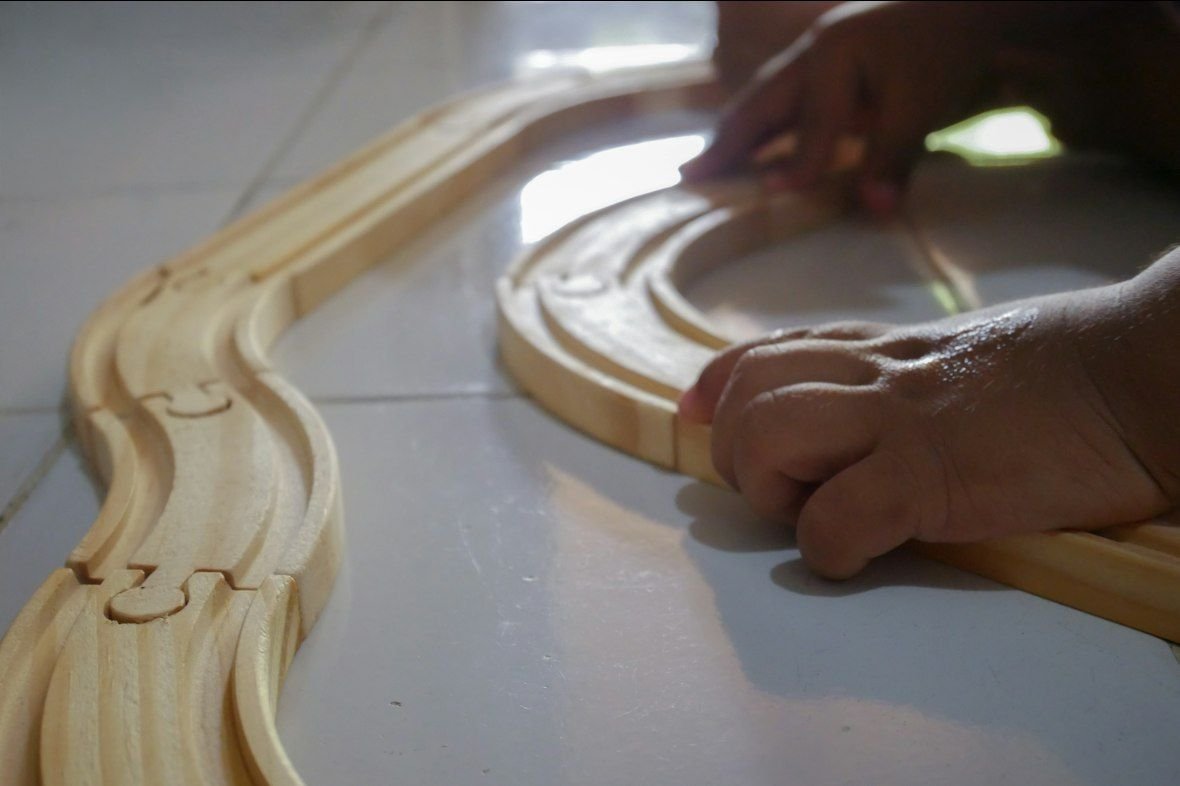
    Yellow rain boots in the grass
    Photo by Dirk Scheuble on Unsplash

    Mom rage often arrives without warning. One small act of disobedience, another spill, or one more ignored instruction, and suddenly the patience you vowed to show disappears. If you’ve felt this, you are not alone. Anger is a common struggle among mothers, including Christian mothers who sincerely desire to honor God in their parenting.

    The Bible does not treat anger lightly, and it does not dismiss it as mere exhaustion or temperament either. God’s Word acknowledges that anger itself is not always sinful: “Be angry and do not sin” (Ephesians 4:26). Yet the Bible also draws a sharp line between righteous anger and the kind that flows from self-centered desires. “The wrath of man does not produce the righteousness of God” (James 1:20). When harsh words erupt because our children interrupt our plans, challenge our authority, or fail to meet our expectations, the issue runs deeper than a difficult day. It reveals the condition of the heart.

    Anger that lashes out at our children is something we need to take to God in repentance. Our anger often exposes misplaced loves, such as a desire for control, comfort, or order that has quietly taken God’s place. Exhaustion, hormones, and health struggles can add fuel to the fire, and they do not excuse the sin. This truth is sobering, and it is also freeing. When we name sin for what it is, we can bring it honestly before the Lord and stop excusing it or drowning in shame.

    The hope of biblical motherhood is found in the character of God Himself, and self-control alone cannot supply it. “The LORD is gracious and full of compassion, Slow to anger and great in mercy” (Psalm 145:8). The same God who commands holiness also supplies mercy and grace for repentance and growth. When mom rage leaves you burdened with regret, the Bible invites you to run toward God and not to hide from Him. Sanctification is not instantaneous, but the Holy Spirit faithfully works in us and shapes our responses over time.

    Freedom from destructive anger in motherhood comes through daily dependence on Christ. As we submit our hearts to God’s Word and rely on the Holy Spirit, God cultivates patience, gentleness, and self-control. This fruit flows from His grace at work within us and does not come from our strength.

    If your anger ever frightens you, or you worry you might hurt your child or yourself, please reach out for help today. Call your doctor, a trusted pastor or counselor, or emergency services right away. Rage that feels out of control can also be a sign of postpartum depression or anxiety, or of another health struggle, and it deserves medical care as well as spiritual care.

    Understanding Mom Rage Through a Biblical Lens

    The intense anger many mothers experience cannot be reduced to “just a bad day.” Biblical motherhood takes these emotions seriously. It does so to examine them in the light of God’s truth and never to excuse them. God’s Word does not deny the weight of motherhood in a fallen world. It offers God’s perspective on why these emotions arise and how they must be addressed.

    Defining Mom Anger in Biblical Motherhood

    Mom rage often appears as sudden, overwhelming frustration that feels fierce, quickly ignited, and difficult to shake. Sleep deprivation, emotional exhaustion, unmet expectations, and feelings of inadequacy can intensify the struggle. Many Christian mothers are confused and discouraged by the strength of these reactions, wondering why they persist despite sincere faith.

    External pressures are real, and the Bible still calls us to look deeper than circumstances alone. Reactive parenting, often fueled by anger, is instinctive and unthinking, and it is frequently followed by regret. Responsive parenting reflects biblical wisdom. It pauses, discerns, and responds in a way shaped by truth and not by impulse. God’s Word calls mothers to shepherd the heart, both their children’s and their own, and managing behavior is only part of that work.

    Understanding anger within the framework of a fallen world offers both realism and hope. The Bible acknowledges difficult emotions and gives wisdom to handle them in ways that honor God and cultivate peace within the home.

    Anger as a Heart Issue, Not Merely a Stress Response

    Stress and fatigue may expose anger, but God’s Word teaches that anger ultimately flows from within. Jesus makes this clear: “those things which proceed out of the mouth come from the heart” (Matthew 15:18). Others may provoke us, but they do not cause our sin. Our responses reveal what is already present in our hearts.

    Anger often points to something underneath it, such as fear, disappointment, wounded pride, or a longing for control or affirmation. Mom rage can expose disordered loves when comfort, efficiency, control, or personal expectations quietly take precedence over trust in God’s sovereignty.

    Common heart struggles that mom rage may uncover include:

    • Pride that demands life follow our plans
    • Selfishness that puts personal comfort ahead of faithful love
    • A desire for control that exceeds our God-given authority

    Recognizing these heart issues is meant to lead us to repentance and renewal through Christ, and condemning us is not the purpose.

    Righteous Anger vs. Sinful Anger

    The Bible makes an important distinction: not all anger is sinful. Righteous anger is directed toward genuine sin and has nothing to do with personal inconvenience. It is God-centered and self-controlled, and it aims at restoration and never at retaliation.

    Jesus Himself displayed righteous anger when God’s holiness was profaned and others were harmed (John 2:13–17). When our hearts are stirred by what dishonors God or damages those entrusted to our care, that concern can reflect His character.

    Sinful anger emerges when our personal priorities are threatened or when anger becomes a tool for control. It often mixes legitimate concerns with selfish motives, such as addressing a child’s disobedience while being more concerned about embarrassment, inconvenience, or loss of authority than about the child’s heart.

    What James Teaches Mothers

    “For the wrath of man does not produce the righteousness of God.” (James 1:20)

    This verse offers crucial clarity for mothers struggling with rage. James reminds us that impulsive, uncontrolled anger, even when provoked by real disobedience, cannot accomplish God’s righteous purposes. Explosive reactions may secure short-term compliance, but they do not cultivate godliness in our children or holiness in ourselves.

    God’s character stands in sharp contrast to human rage. “The LORD is gracious and full of compassion, Slow to anger and great in mercy” (Psalm 145:8). Mothers may feel justified in their anger toward disrespect or rebellion, yet the Bible teaches that harsh words and unrestrained reactions fail to reflect God’s patience and do not produce the fruit we desire.

    Biblical motherhood does not deny the presence of anger. It calls us to submit it to God’s Word and to trust that His Spirit can turn even our most difficult emotions toward grace, growth, and godliness.

    Why Overstimulation Makes Anger Surface

    Have you noticed how even the most patient mother can unravel after hours of relentless noise, mess, and constant demands? The connection between overstimulation and mom rage is no accident. It points to how God designed us as embodied creatures, and to what happens when we live as though our limits do not matter.

    The Root of Anger: A Heart That Seeks Control

    Mom rage often emerges when chaos collides with a desire for control. Under the pressure of daily motherhood, many women slip into survival mode and begin to treat constant strain as normal. Over time, the body can stay on alert, always bracing, always reacting. Rest no longer feels natural, and peace feels out of reach.

    At the heart of this struggle is a longing for order and relief. Wanting a calm breakfast, obedient children, or even a few uninterrupted minutes is not sinful in itself. These are good and proper longings. But when those longings turn into demands, and peace has to happen on our terms, anger flares as control slips away.

    In those moments, the anger is rarely about the spilled milk or the noise itself. It is about another reminder that we are not in control of our circumstances, our children, or our day. What feels like a small disruption exposes a deeper fear of helplessness in a world that can feel overwhelming.

    The Body and Soul Under Constant Pressure

    The Bible affirms that we are whole persons, body and soul, created by God, and we are never merely souls housed in bodies. When a mother lives under constant sensory input, both are affected.

    Daily overstimulation often includes:

    • Visual overload from clutter, unfinished tasks, and constant motion
    • Competing sounds from children, devices, and household demands
    • Continuous physical touch that leaves a mother feeling depleted
    • Mental strain from carrying endless responsibilities and decisions

    This barrage wears on the body. Without enough rest, self-control becomes harder, and exhaustion lowers our resilience. What might have been manageable on a rested day becomes overwhelming when we are short on sleep.

    The Bible, and not science, is our ultimate authority, and this lines up with biblical wisdom. God created the human body with rhythms and limits. Ignoring them does not lead to holiness. It tends to lead to frustration and anger.

    God’s Design for Limits, Rest, and Dependence

    God never intended mothers to be inexhaustible sources of strength. From the beginning, creation itself teaches us about limits, with day and night and work and rest. These rhythms are gifts and were never meant as burdens.

    Our limits remind us that we are not God. We are not all-knowing, all-present, or all-sufficient. Limited energy, patience, and capacity are not design flaws. They are part of God’s wise creation, meant to lead us into dependence on Him.

    Feeling overwhelmed is evidence of our humanity, and it does not prove failure. The problem comes when we respond to our limits with anxious striving and not with humble trust. In God’s economy, rest is a way of showing faith, and it should never be mistaken for weakness.

    The Gift of Rest

    “It is vain for you to rise up early, To sit up late, To eat the bread of sorrows; For so He gives His beloved sleep.” (Psalm 127:2)

    This verse confronts the belief that more effort, longer hours, or constant vigilance will secure peace or success. The Bible calls such striving “vain.” It is empty and ineffective apart from God’s sustaining care.

    Sleep can be a declaration of trust. Going to bed with unfinished tasks is an act of faith that acknowledges God’s sovereignty. It says, “The Lord is at work even when I am not.” Rest becomes an act of worship and reminds us that faithful motherhood is upheld by the gracious provision of a faithful God and never by endless exertion. If sleep is hard for you because of a newborn, a health problem, or anxiety, take your needs to your husband, your church family, and your doctor, and do not carry them silently.

    When we accept our limits and rest in Him, overstimulation loses its grip, and anger no longer needs to rule the heart.

    God’s Compassion for the Weary Mother

    Motherhood often brings an emotional weight that feels relentless. Moments of joy are woven together with exhaustion, discouragement, and unseen sacrifice. Yet God’s Word reveals a steady and beautiful truth: God regards weary mothers with deep compassion. The world may minimize a mother’s labor or misunderstand her struggles, but our Heavenly Father sees fully, knows intimately, and responds with mercy.

    Christ’s Gentleness Toward the Burdened

    Jesus extends a gracious invitation to the exhausted and overwhelmed. His call is not reserved for those who have mastered self-control or reached emotional stability. He speaks directly to those who are worn down by the weight of daily responsibilities: “Come to Me, all you who labor and are heavy laden.” There are no prerequisites. He does not ask you to calm yourself first, fix your emotions, or present a polished version of motherhood. Christ invites you as you are, burden and all.

    This invitation flows from Christ’s work as our mediator. Because He has already borne the full weight of our sin and condemnation, He now welcomes His people with tenderness and not judgment. When Jesus declares, “I am gentle and lowly in heart,” He reveals His disposition and His sufficiency. Where others may criticize your struggles or measure your worth by performance, Christ meets you with a gentleness that acknowledges your weakness and provides refuge for your soul.

    God Sees the Unseen Labor of Motherhood

    Much of a mother’s work happens in quiet, unnoticed spaces. Laundry is folded again, meals are prepared and cleared away, emotional needs are met, and nights are interrupted for comfort and care. The Bible assures us that none of this labor is invisible to God.

    In Genesis 16:13, Hagar names the Lord El Roi, which means “the God who sees.” This truth reaches every weary mother who feels overlooked or unappreciated. “For the eyes of the Lord are on the righteous, and His ears are open to their prayer” (1 Peter 3:12). God’s attentive gaze brings comfort in seasons where faithfulness feels thankless. He sees what you do, and He also sees the love, sacrifice, and perseverance behind it.

    Emotions Are Not Sinful, But Must Be Submitted to God

    The Bible does not condemn emotion itself. Feelings such as anger, frustration, or overwhelm are not automatically sinful. They are part of our created humanity, and they often point to deeper heart realities. The issue is the direction we take with the emotion more than the presence of it.

    Instead of suppressing or denying difficult feelings, God invites us to bring them honestly before Him. Unaddressed emotions often resurface in destructive ways, but emotions submitted to God can become occasions for growth in holiness. God uses His Word and Spirit to guide our responses and teach us to process what we feel in ways that honor Him and restore peace.

    How the Gospel Transforms Our Reactions

    The gospel reshapes how we respond in the most triggering moments of motherhood. In Christ, you are fully known and fully loved: justified, forgiven, and secure. This truth dismantles the pressure to prove yourself through flawless parenting or emotional control.

    Jesus does more than sympathize with your burdens. He offers to carry them. The weight you bear as a mother, including the constant responsibility, emotional strain, and sense of inadequacy, was not meant to rest on your shoulders alone. Christ invites you to exchange your crushing load for His sustaining care. His yoke is “easy,” and the reason is not that motherhood becomes effortless. He supplies the strength you lack.

    “Come to Me, all you who labor and are heavy laden, and I will give you rest. Take My yoke upon you and learn from Me, for I am gentle and lowly in heart, and you will find rest for your souls. For My yoke is easy and My burden is light.” (Matthew 11:28–30)

    This promise speaks directly to the weary mother’s heart. Jesus offers more than temporary relief. He offers soul-deep rest. He does not call you to strive harder. He calls you to learn from Him. As you bring your burdens to Christ and walk in dependence on His grace, He gives what motherhood alone cannot: true rest, lasting peace, and strength sustained by His unfailing love.

    Replacing Explosive Reactions With Spirit-Led Responses

    The battle against mom rage cannot be won through sheer determination. God’s Word is clear that lasting change comes from spiritual transformation and not from a stronger resolve. Reactive parenting is not overcome by willpower alone. It takes the indwelling and active work of the Holy Spirit. God does not merely command self-control. He supplies the power to grow in it.

    Walking by the Spirit, Not the Flesh

    The Apostle Paul contrasts two ways of living: walking by the flesh or walking by the Spirit (Galatians 5:16). This language may seem far from the noise, mess, and stress of everyday motherhood, yet it speaks directly to those moments when anger rises without warning.

    When you walk by the flesh, frustration demands immediate expression. The impulse is to react and to release pressure through sharp words or raised voices. Walking by the Spirit creates space between trigger and response. The Spirit brings truth to mind, restrains sinful impulses, and redirects the heart toward Christ-honoring action.

    Spiritual disciplines, such as prayer, meditating on the Bible, and reflective journaling, are more than empty routines. They are means of grace through which God shapes His people. As you commune with God before pressure builds, the Holy Spirit uses these practices to steady your heart, renew your mind, and prepare you for the challenges you can expect. Over time, this spiritual grounding helps your responses reflect wisdom and not impulse.

    When anger flares, you face a real choice. The flesh urges immediate release, and the Spirit offers a better way. Spirit-led motherhood means learning to pause, pray, and respond thoughtfully instead of reacting instinctively and regretting it later.

    Practical expressions of walking by the Spirit include:

    • Cultivating daily communion with God before moments of stress arise
    • Prayerfully identifying common triggers and preparing godly responses
    • Living in a Christian community where encouragement and accountability strengthen obedience

    Cultivating Self-Control as Fruit, Not Willpower

    Biblical self-control is not the product of gritted teeth or sheer discipline. It is the fruit of God’s grace at work within a believer. Before conversion, even our best efforts could not please God. In Christ, the Holy Spirit empowers genuine obedience that flows from a renewed heart.

    Self-control is the Spirit-enabled ability to restrain the desires of the flesh, the impulses that seek comfort, escape, or control at the expense of love and faithfulness. It does not deny exhaustion or the longing for rest, and it submits those desires to God’s will.

    In everyday motherhood, self-control often looks ordinary:

    • Speaking words that give life instead of venting frustration
    • Choosing patient mediation over withdrawal when children conflict
    • Faithfully meeting small, repetitive needs with quiet perseverance

    These acts may appear ordinary, but they are deeply spiritual. Self-control grows through intentional dependence on God, which includes planning ahead, asking for help, and prayerfully addressing known weaknesses. Such preparation displays a life ordered by faith and does not diminish spirituality.

    The Fruit of the Spirit at Work

    “But the fruit of the Spirit is love, joy, peace, longsuffering, kindness, goodness, faithfulness, gentleness, self-control. Against such there is no law.” (Galatians 5:22–23)

    Paul reminds us that fruit is produced and never manufactured. A healthy tree bears fruit because it is alive and nourished at the root. In the same way, self-control grows from a life rooted in Christ and sustained by His Spirit.

    Paul continues, “If we live in the Spirit, let us also walk in the Spirit” (Galatians 5:25). Keeping in step means yielding our moment-by-moment choices to the Spirit’s leading and choosing obedience over impulse, faith over fear, and grace over rage. Over time, Spirit-led responses can replace explosive reactions. Motherhood may not get easier, but God is faithfully at work within you.

    Learning to Pause Before Reacting

    In the ordinary pressures of motherhood, a single moment can change the direction of a conversation, a discipline moment, or even the tone of an entire day. That brief pause between trigger and response, when emotions surge and words rush forward, may be one of the most spiritually significant moments in your day. God’s Word teaches that restraint in such moments is an active expression of wisdom and faith and never mere passivity.

    Biblical Wisdom in Slowness and Restraint

    God’s Word consistently presents slowness to anger as a mark of wisdom. This kind of restraint grows out of understanding shaped by truth and has nothing to do with emotional suppression. Solomon warns, “Do not hasten in your spirit to be angry, For anger rests in the bosom of fools” (Ecclesiastes 7:9). The Bible does not condemn emotion, but it cautions against a heart that gives anger a permanent home.

    Proverbs deepens this insight: “The discretion of a man makes him slow to anger, And his glory is to overlook a transgression” (Proverbs 19:11). Here, patience flows from discernment and does not come from personality or sheer effort. The ability to overlook offenses, especially the small and frequent ones of childhood, is presented as honorable and beautiful. For God, restraint is strength, and forgiveness is glory.

    The turning point lies in the space between what provokes us and how we respond. Creating that space lets God’s truth govern our actions in place of raw emotion. This pause interrupts the reflex of the flesh and opens the door for Spirit-led wisdom.

    The Power of Silence and Prayer in Heated Moments

    Silence, when guided by humility, can be a powerful ally against reactive parenting. The Bible reminds us, “Even a fool is counted wise when he holds his peace; When he shuts his lips, he is considered perceptive” (Proverbs 17:28). In moments of rising anger, holding back words can preserve peace until wisdom takes root.

    Prayer within that pause does not need to be lengthy or eloquent. A simple plea such as “Lord, help me respond with wisdom” is enough to turn the heart toward God. Prayer is no last resort. It is a means of grace through which God strengthens His people in real time.

    Many mothers find it helpful to use a simple framework to guide their pause toward godly action. One such approach can be summarized as P.A.U.S.E.:

    • Pray for wisdom, gentleness, and self-control.
    • Assess what is happening in your heart and in your child.
    • Understand that your ultimate aim is to glorify God, not to regain control.
    • Sympathize with your child’s needs, fears, or frustrations.
    • Engage calmly and deliberately, reflecting Christlike care.

    Physical nearness often reinforces this posture of peace. Lowering yourself to your child’s level, softening your voice, or offering a gentle touch can shift the emotional atmosphere for both of you. These small acts of connection often defuse tension and open the way for meaningful correction.

    If you are too angry to speak calmly, it is wise to step away briefly, making sure your child is safe, and return when your heart has settled.

    Wisdom That Makes Room for Grace

    “The discretion of a man makes him slow to anger, And his glory is to overlook a transgression.” (Proverbs 19:11)

    This verse reveals two truths for motherhood. First, patience is born of wisdom shaped by God’s Word and does not come from natural temperament or human resolve. Second, choosing to overlook offenses, especially minor, immature, or unintentional ones, is no defeat. It is glory.

    When you pause before reacting, you create a space for the Holy Spirit to work. In that space, anger is no longer in control, and grace has room to grow. God uses these moments, often quiet and unseen, to form patience, deepen love, and turn potential outbursts into opportunities for gospel-shaped parenting.

    When You’ve Already Lost Your Temper

    The aftermath of anger can feel heavy. Harsh words linger, relationships feel strained, and regret settles in. These moments are painful, but God’s Word does not leave weary mothers trapped in shame. God provides a clear and gracious path forward that leads to healing, restoration, and spiritual growth and away from despair.

    Confession and Repentance Without Shame

    When a mother loses her temper in a sinful way, God calls her to honest acknowledgment. The Bible does not shrink sinful anger down to a “bad day” or a personality flaw. It names it truthfully as sin, and the purpose is to free us and never to crush us. Facing that reality is the first step toward genuine change.

    Confession is a response to grace already secured in Christ, and it is not a desperate attempt to earn forgiveness. Many mothers suffer silently, believing they are alone in their struggle, while others appear composed and self-controlled. This isolation deepens shame and hinders repentance. Bringing sin into the light, before God and, when appropriate, before others, opens the door to healing.

    Anger itself is not inherently sinful, because God created emotion as part of our humanity. Sin enters when anger is expressed through harshness, control, or self-centered demands. When that happens, the gospel invites us to confess, turn from sin, and rest in Christ’s finished work and not to wallow in guilt.

    Repairing Relationships Through Humility

    Repentance does not end with private confession to God. It bears fruit in restored relationships. Humility toward our children is a powerful testimony to the gospel at work. This often includes:

    • Confessing sin to them in age-appropriate language
    • Asking directly for their forgiveness, without excusing behavior or shifting blame
    • Reassuring them of your commitment to grow in self-control by God’s grace

    Children do not need perfect parents. They need repentant ones. When they witness genuine humility, they learn what grace, forgiveness, and responsibility look like in everyday life. Repentance strengthens trust and deepens relational security, and it does not weaken parental authority.

    God also uses Christian communities as a means of grace. When others can see our lives honestly, including our struggles, we gain accountability and encouragement. If anger disappears in public but erupts in private, it may signal a need for greater openness and support within the body of Christ.

    The Hope of Full Forgiveness

    “If we confess our sins, He is faithful and just to forgive us our sins and to cleanse us from all unrighteousness.” (1 John 1:9)

    This promise offers hope in the wake of mom rage. God does more than forgive. He cleanses. His faithfulness rests on His unchanging character and Christ’s completed atonement, and your performance as a mother has no part in it.

    Through confession and repentance, God heals both the guilty heart and the fractured relationship. Change may come gradually, as sanctification always does, but it is real. Over time, your husband and children may see evidence of God’s grace shaping your responses, softening your heart, and producing a renewed desire to walk in obedience.

    Shame says, “You’ve failed.” The gospel says, “You are forgiven. Now walk in freedom.”

    Teaching Children Through Repentance and Repair

    Some of the most formative discipleship moments in your home will come from your failures more than from your strengths. When a mother loses her temper and then returns in humility, she gives her children a living picture of the gospel at work. These moments of repair turn ordinary parenting mistakes into opportunities for spiritual formation.

    Modeling the Gospel in Everyday Failures

    A mother’s repentance can teach her children far more than flawless behavior ever could. Christianity is lived out in the messiness of real life and not in ideal conditions. When you acknowledge sin honestly, without excuses or defensiveness, you show your children what it means to live under grace.

    Confession shows that believers take sin seriously because they take grace seriously. That is true when you minimize your wrongdoing, and it is true when you wait for emotions to settle without addressing the issue. Even when a conflict feels largely justified, owning your portion of sin, however small, models integrity and gospel clarity. Children learn that repentance is about honoring God and never about winning arguments.

    Your children do not need a mother who never fails. They need one who knows how to return to Christ, receive forgiveness, and extend it freely.

    Modeling Humility and Grace

    True humility goes beyond apology and shows itself in repentance. Saying, “Will you forgive me?” teaches children that forgiveness is relational and restorative, and neither assumed nor demanded. This kind of language removes self-protection and places trust in grace.

    Practical ways to model authentic repentance include:

    • Naming specifically what you did wrong
    • Taking full responsibility without blame-shifting or justification
    • Asking directly for forgiveness
    • Reaffirming your love regardless of how quickly forgiveness is offered

    These moments shape a child’s understanding of accountability, mercy, and love. They learn that sin does not end relationships when it is met with repentance, and that forgiveness is both costly and beautiful.

    Showing Children the Gospel in Action

    Each sincere act of repair communicates a vital truth: no one in the family is sinless, parents and children alike. Yet love remains steadfast because it is grounded in Christ and not in performance. Through these interactions, children see that God delights to work through imperfect people.

    The Bible reminds us that, in the Lord’s words, “My strength is made perfect in weakness” (2 Corinthians 12:9). In His wisdom, He uses even our failures to magnify His grace. When children see repentance followed by restoration, they see the gospel embodied and not just taught.

    Forgiveness as a Way of Life

    “Bearing with one another, and forgiving one another, if anyone has a complaint against another; even as Christ forgave you, so you also must do.” (Colossians 3:13)

    This command shapes the culture of a Christian home. Forgiveness is foundational, and it is never optional. As parents extend forgiveness to their children and seek it from them, they teach what it means to live under the mercy of Christ.

    In this way, everyday repentance becomes discipleship. Through confession, forgiveness, and repair, God forms hearts, yours and your children’s, according to the pattern of the gospel.

    Building Rhythms That Reduce Overwhelm

    Order in motherhood is not the enemy of joy. It is often the means by which peace is preserved. Intentional rhythms do not eliminate spontaneity. They create the stability in which it can flourish. For overwhelmed mothers, wise structure provides a framework that supports emotional steadiness, spiritual attentiveness, and faithful care of the home.

    Ordering the Home and Schedule with Wisdom

    Time is a finite gift from God, entrusted to us for faithful stewardship. Motherhood is full of interruptions and unpredictability, and a loose but purposeful plan helps guard against constant reactivity. A flexible schedule puts what matters most first and does not demand flawlessness.

    God’s Word commends thoughtful diligence. The Proverbs 31 woman shows wisdom in the ordering of her life, caring for her household, working productively, and attending to her family with discernment and joy. Her example does not promote busyness for its own sake. It shows intentionality that strengthens the home and honors the Lord. When tasks are approached with wisdom and not urgency, time becomes a servant and stops being a tyrant.

    Related reading: Strength That Serves.

    Creating Routines Rooted in the Bible

    God’s Word provides a foundation for shaping daily rhythms that nurture both faith and family life. It calls parents to weave spiritual formation into the ordinary flow of the day:

    • Deuteronomy 6:5–7 instructs parents to impress God’s commands on their children through everyday moments at home, on the way, at bedtime, and upon rising.
    • Ecclesiastes reminds us that joy is found in receiving our daily work as a gift from God, even when the tasks feel repetitive or unseen (Ecclesiastes 3:12).

    When the Bible shapes routine, the home becomes a place of ongoing discipleship and not occasional instruction. Even brief, consistent habits, such as a short time in God’s Word each day, anchor the heart in truth and bring spiritual steadiness amid the noise of motherhood.

    More on this in When Motherhood Shakes Your Faith.

    Small Habits That Support Emotional Regulation

    Faithful rhythms also support emotional health, because we are embodied souls. God cares about both spiritual devotion and physical well-being.

    Helpful practices often include:

    • Prioritizing basic physical care, such as adequate sleep, nourishing meals, and regular movement, since exhaustion weakens patience and can intensify anger.
    • Keeping order in the home as an act of stewardship, since physical clutter often adds to mental strain and emotional fatigue.
    • Taking part in Christian community through prayer groups or Bible studies, where burdens can be shared and encouragement received before frustration hardens into resentment.

    These habits are practical, and they are also spiritual acts of dependence that acknowledge God’s design for human limits and community support.

    Living in Seasoned Trust

    “To everything there is a season, A time for every purpose under heaven.” (Ecclesiastes 3:1)

    This truth calls mothers to embrace the season they are in without resentment or despair. Each stage of motherhood carries its own challenges and graces, all appointed by God for His purposes. The chaos of young children, emotional demands, and interrupted plans are not signs of failure. They are features of the season God has assigned.

    Peace grows as mothers receive their current season as a gift and trust that God is at work within it. The demanding moments will not last forever, and the fruit of faithful obedience, shaped through daily rhythms and humble dependence, will endure.

    Depending on God

    Motherhood was never meant to be a display of flawless parenting. It is a God-ordained means of drawing you into deeper dependence on Him. Through your limitations, frustrations, and failures, the Lord is not exposing you to shame. He is inviting you into transformation.

    Sanctification as a Process, Not Instant Change

    Motherhood has a unique way of revealing what lies beneath the surface of the heart. Pressures you never anticipated bring hidden sins, fears, and desires into the light. This exposure can be uncomfortable, and it is not purposeless. In His wisdom, God uses the ordinary struggles of parenting to make His people holy, even when that does not make life easier.

    God’s Word reminds us that transformation is gradual. We are being changed “from glory to glory” (2 Corinthians 3:18). Sanctification in motherhood is rarely dramatic or immediate. It unfolds slowly through daily repentance, repeated dependence, and renewed faith. Each challenging moment becomes an opportunity for the Spirit to expose sin and replace it with a deeper love for Christ.

    God’s Strength Made Perfect in Weakness

    The pursuit of flawless parenting places an unbearable weight on mothers and children alike. God offers a radically different way. He does not call you to a spotless record. He calls you to trust. He allows weakness, not to harm you, but to show you where true strength is found.

    Every sleepless night, public meltdown, and moment of lost patience reminds you that you were never meant to carry motherhood on your own. God meets you precisely where you feel most inadequate. “My grace is sufficient for you, for My strength is made perfect in weakness” (2 Corinthians 12:9). The Lord does not remove every struggle, but He supplies sustaining grace through them. His power shines most clearly where your strength runs out.

    Living Out the Gospel in Daily Motherhood

    God’s Word equips you for godliness in the midst of emotional intensity. Anger itself is not sin, but the Bible teaches us to steward our responses with wisdom and self-control. When rage threatens to overtake your parenting, God’s Word becomes an anchor. Memorizing God’s Word, pausing before responding, and praying simple prayers of dependence let the Holy Spirit guide your words in place of your impulses.

    Even your failures are not wasted. When they are met with humble repentance, they become powerful discipleship moments. As you confess sin, ask forgiveness without excuses, and pursue reconciliation, your children see the gospel embodied. These moments of repair often build deeper trust and connection than flawlessness ever could.

    God also uses wise structure and rhythms to reduce overwhelm. Faithful stewardship of time and responsibilities glorifies God and strengthens the home, even as flexibility remains necessary. “She watches over the ways of her household, And does not eat the bread of idleness” (Proverbs 31:27). Order serves peace and is never a source of pressure.

    Motherhood was never designed to showcase your competence. It shows your reliance on God. The Bible invites you to cast every burden upon the Lord and trust His sustaining care. “Cast your burden on the LORD, And He shall sustain you” (Psalm 55:22). Each demanding day is an invitation to lean more fully into His grace.

    The struggle against anger does not disqualify you from God’s calling. It draws you closer to the Savior you need daily. God is faithful to complete what He has begun. “He who has begun a good work in you will complete it until the day of Jesus Christ” (Philippians 1:6). This promise stands through your motherhood struggles, and it shines through them as well.

    As God works patiently through this sanctifying journey, He is shaping you into the image of Christ one moment, one repentance, and one act of dependence at a time.

    Resources

    Keep Going

    Digital resources

    • Heart Lists 50 Bible-based pages for kids.
    • The Thrive Deck 126 Christ-centered connection cards across 7 categories, built to help your family grow closer week by week.
  • How to Teach Godly Character To Your Kids Through Your Life

    How to Teach Godly Character To Your Kids Through Your Life

    Learn how to teach godly character through your own example, using everyday choices, conversations, correction, and faithful living to disciple your children.

    An open Bible on a wooden table
    Photo by Sixteen Miles Out on Unsplash

    Christian parenting reaches further than handing children a list of rules to follow. When faith is reduced to “dos and don’ts,” adults and children alike can begin to relate to God as if He were keeping score, hoping that enough right behavior will earn His approval. That mindset hides the God of the Bible, who desires a relationship with His people and whose grace changes hearts and does far more than manage behavior.

    The Bible shows us that godly character grows over time, and much of that growth happens in ordinary, unscripted moments of daily life. Formal teaching has its place, but children learn deeply by watching how faith is lived out. Biblical parenting extends beyond family devotions or Sunday school lessons. Children take in what they see in everyday attitudes, responses, and interactions, especially when they think no one is watching. Words alone may shape outward behavior, but a lived faith speaks to the heart in moments of integrity, perseverance, and love, and its effect can last long after childhood.

    This responsibility is significant, and it is not meant to overwhelm you. God designed the family as the primary place where children learn who He is and how to walk with Him (Deuteronomy 6:6–7). He does not ask for perfect parents. He asks for faithful ones. As you model trust, repentance, grace, and obedience, your children see what it looks like to follow a personal, loving God who created them, sustains them, and redeems sinners through Christ. We cannot guarantee how any child will respond, because God alone gives new hearts, but we are called to be faithful and to leave the results with Him. The pages below look at how everyday moments become the ordinary means God uses to shape character.

    Related reading: The Discipleship Opportunity Hiding in Your Anger.

    What Is Godly Character and Why Does It Matter

    Godly character is the foundation of authentic Christian living. God’s Word teaches that He looks at the heart and not at outward appearance (1 Samuel 16:7). True character is formed in private, unseen moments, when our choices reflect trust in God over a desire for human approval.

    Authentic Christian life flows from this inner change. As Jesus said, “For where your treasure is, there your heart will be also” (Matthew 6:21). When the Holy Spirit shapes our hearts, our beliefs and actions line up, whether we are in public or alone. Those private moments are where faith is refined and godly character is revealed. Discipleship begins in the heart.

    Godly Character Defined by the Fruit of the Spirit

    The Bible gives us a clear picture of godly character in the fruit of the Spirit: “love, joy, peace, longsuffering, kindness, goodness, faithfulness, gentleness, self-control” (Galatians 5:22–23). These qualities are more than helpful suggestions. They reflect the Holy Spirit’s work within us and reveal God’s nature. They give us a perfect template for our own character and for guiding our children toward authentic godliness.

    Parents can help children take these qualities to heart, so that they become more than something shown in public or memorized from a verse. The goal is an inner life where these traits are part of who they are and not merely how they appear.

    Character Is About Who We Are Becoming

    Character develops gradually. It cannot be manufactured overnight. Daily choices, trials, and ordinary experiences shape who we become, and just as gold shows its worth through its purity, a person’s character is revealed over time.

    The Holy Spirit works in our lives through sanctification, a gradual growth in holiness. The Bible reminds us: “Tribulation produces perseverance; and perseverance, character; and character, hope” (Romans 5:3–4). Godly character is the product of God’s ongoing work in our hearts and does not come from human effort alone.

    Godly Character vs. Outward Behavior

    Too often, Christian parenting focuses on controlling children’s outward behavior and gives too little attention to the heart. Behavior management can produce compliant children, and we hope character formation, by God’s grace, will lead children to choose rightly even without supervision.

    Godly character goes deeper than perfect attendance, memorized Bible verses, or outward displays of spirituality. It is a heart that reflects Christ’s love, joy, and peace in everyday life. Rewards and punishments may control actions for a time, but only a heart changed by God produces lasting obedience and a desire to honor Him.

    Christian parenting aims higher than raising rule-followers. It points children to Christ, trusting Him to form them from the inside out and to build a foundation for lifelong faith and wisdom.

    Why Daily Life Is the Best Place to Teach Character

    Your home is one of the most powerful classrooms for shaping godly character. Within its walls, children absorb values, see faith in action, and learn what matters. The consistency and authenticity of daily life often reach further than formal lessons, church programs, or classroom instruction.

    Teaching Through Daily Interactions, Attitudes, and Responses

    Character is not formed overnight. It develops over a lifetime through relationships, experiences, and the example of godly role models. The people around us and the environment we live in shape who we become. How we respond to frustration, show kindness, or practice patience in an ordinary moment can influence children more deeply than words alone.

    The Home as the Primary Place of Discipleship

    God has entrusted parents with the sacred role of raising their children to know and follow Jesus Christ. Your children are your first mission field. Church programs, youth groups, and Christian schools can support their growth, but God designed the family to be the foundation of discipleship (Deuteronomy 6:7). The rhythms of everyday home life give you the most consistent opportunities for nurturing faith.

    More on this in How to Create a Christ-Centered Home Without Overcomplicating It.

    Children Learn More from What They See Than What They Hear

    Children watch more than they listen. Their understanding of God and His ways is shaped by how you live and respond in everyday life. Your life can become a living sermon. It shows them how to line up their actions with the Bible, trust God in trials, and serve others with humility and love.

    Because you are a sinner too, your example will not always be good. That is part of the lesson. Children learn what to do with failure when they see you turn to Christ.

    Christian Parenting Is a Daily Calling

    Discipleship does not mean adding more “spiritual tasks” to your schedule. It means weaving the gospel into every moment on purpose. From ordinary chores to family meals, your daily rhythms become opportunities to show what it looks like to follow Christ.

    Teaching Along the Way

    Moses told Israel to keep God’s words on their hearts, and then he said, “You shall teach them diligently to your children, and shall talk of them when you sit in your house, when you walk by the way, when you lie down, and when you rise up” (Deuteronomy 6:7). This passage reminds us that teaching God’s ways is not confined to formal “spiritual times.” Walking to school, cooking meals, or getting ready for bed can each become a chance to talk about God.

    Everyday Routines as Discipleship Moments

    Simple routines carry great potential. Morning wake-ups, meal preparation, playtime, and bedtime all give natural openings to model godly virtues, reinforce spiritual truths, and talk about values. When you use these ordinary moments with intention, you create a home where faith is lived as well as taught, and where children can take godly character to heart through watching, talking, and sharing life together.

    How to Model Godly Character as Parents

    The most powerful way to teach godly character is a life that is being changed by Christ, which goes further than polished words. Faith is often “caught” as well as taught, as many parents have found. Your children are always watching how you respond to stress, handle failure, speak to others, and rely on God. Long before they understand your lessons, they are absorbing your example.

    Letting Your Children See Your Faith in Action

    Children need to see that their parents pursue God personally. When they see you praying, reading the Bible, seeking wisdom, and surrendering your decisions to the Lord, they learn that faith is lived. It shows them what it means to listen for God’s voice above all others. Genuine, everyday faith leaves a deeper mark than any lecture (Deuteronomy 6:6–7).

    Apologizing When We Are Wrong

    Humility strengthens parental authority and does not weaken it. When parents admit wrongdoing and ask for forgiveness, they reflect the heart of Christ. Apologies teach children accountability, repentance, and responsibility. The Bible calls us to walk in the light and to confess when we fall short (1 John 1:7–9). These moments help children understand grace and truth together.

    Responding with Grace Under Pressure

    Parents are often the first responders in a family’s emotional emergencies. During chaos or conflict, a calm and measured response shows trust in God and an unwillingness to grasp for control. God’s Word reminds us to be “swift to hear, slow to speak, slow to wrath” (James 1:19). Pausing before you react lets wisdom guide your response in place of emotion.

    Speaking Kindly, Even When Stressed

    Children naturally pick up the tone and language they hear most often. Words spoken with gentleness and encouragement create security and confidence, while harsh or careless speech can fuel anxiety and fear. The Bible teaches that “death and life are in the power of the tongue” (Proverbs 18:21). Your words help shape your child’s inner voice long after the moment has passed.

    Being Honest About Your Own Struggles

    Age-appropriate honesty about your struggles, failures, and growth gives children a healthy understanding of faith. When you share how you made a mistake and how God met you with mercy, you teach the biblical pattern of repentance and restoration. This openness reassures children that failure is not the end and that they can lean on God’s grace.

    Letting Children See Your Walk with God in Hard Seasons

    Faith becomes most visible during trials. The Bible shows Abraham trusting God even when he did not understand what God was asking (Genesis 22), and the people closest to him watched that trust. In the same way, your steady reliance on God in difficult seasons can teach powerful lessons. Children don’t need perfect parents. They need faithful ones who trust, surrender, and hope in the Lord.

    Living Out Love, Joy, and Peace in the Home

    Godly character is revealed through the fruit of the Spirit (Galatians 5:22–23). Choosing patience when tensions rise, kindness in ordinary moments, and self-control under pressure creates a home atmosphere rooted in Christ. By God’s grace, these daily choices quietly disciple your children and show them what a life led by the Spirit looks like.

    How to Teach Character Through Ordinary Moments

    God often does His deepest work through ordinary faithfulness. The everyday moments of family life, such as mealtimes, interruptions, conflicts, and quiet routines, are rich soil for shaping character in children. Transformation happens bit by bit as truth is lived out day after day. These small, repeated interactions shape values and virtues that last far beyond childhood.

    Kindness: How We Treat One Another at Home

    Children learn kindness by watching long before they understand instruction. They notice how you speak to your spouse, respond to frustration, and treat each member of the family. Gentle words and patient actions become their pattern for love. The Bible calls us to “be kind to one another, tenderhearted” (Ephesians 4:32).

    Naming kindness when you see it, such as “That was thoughtful of you to help your brother,” helps children recognize godly behavior. Simple practices, like writing down kind acts together as a family, reinforce the truth that love is something we live out and not only talk about.

    Patience: Learning to Wait with Trust

    Patience grows when children learn that waiting is not wasted time. Delays, interruptions, and unmet expectations become chances to practice self-control and trust. The Bible reminds us that patience is a fruit of the Spirit and is not simply a natural trait (Galatians 5:22).

    When you model a calm response to inconvenience and acknowledge your child’s effort, with words like “You waited so patiently today,” you show them that perseverance and peace go hand in hand. Waiting becomes an act of faith and stops being a source of frustration.

    Honesty: Walking in the Light

    Honesty grows in an atmosphere of safety and grace. Instead of addressing dishonesty only in moments of tension, the Bible encourages us toward “speaking the truth in love” (Ephesians 4:15). Calm conversations and simple, age-appropriate explanations help children understand why truth matters.

    A quiet affirmation such as “Thank you for telling the truth” reinforces integrity without shame. Children learn that honesty is valued because it reflects God’s character, and avoiding consequences is not the reason.

    Responsibility: Faithfulness in Small Things

    Godly responsibility is built through faithful follow-through in everyday tasks. God’s Word teaches that those who are faithful with little will be faithful with much (Luke 16:10). Age-appropriate chores give children a sense of purpose and belonging.

    When you explain why their contribution matters, with words like “Our pet is cared for because you remembered,” you connect responsibility to service. Children learn that their work has meaning beyond themselves.

    Forgiveness: Choosing Restoration Over Resentment

    Forgiveness frees children from carrying burdens they were never meant to hold. The Bible reminds us that we forgive because the Lord has forgiven us (Colossians 3:13). Forgiving does not excuse wrongdoing, but it opens the door to healing and peace.

    When you model forgiveness, especially by apologizing and seeking reconciliation, you teach children how grace restores relationships. They learn that forgiveness reflects God’s mercy and invites growth in place of resentment. If a child has been truly harmed by someone, forgiving does not mean staying in an unsafe situation, and a trusted pastor or counselor can help you walk through it.

    Trusting God with the Hidden Work

    Building godly character takes intention, and it does not take flawlessness. Character forms slowly through consistent, faithful moments more than through dramatic spiritual lessons. Every ordinary interaction is a chance to reflect Christ’s love, humility, and grace.

    Your honesty matters far more than flawless behavior. Children quickly notice the gap between words and actions. They learn most when they see you extend patience in traffic, show kindness to difficult people, and ask forgiveness after losing your temper. These lived moments often speak louder than any lesson.

    Much of character formation stays unseen for a long time. The Bible reminds us that growth often happens beneath the surface, like seed that sprouts and grows while the farmer does not know how (Mark 4:26–29). Progress may feel slow, but God is at work through your consistency and obedience.

    God has entrusted you with the sacred work of parenting. He does not ask for flawless performance. He asks for faithful presence. The rhythms of your home, including meals, routines, conflicts, celebrations, and quiet moments, can become a place where godly character takes root, and we trust Him for the growth.

    As you walk this path with humility and grace, God can work through your imperfect efforts to shape your children’s hearts. The aim is not children who behave without a fault. The aim is souls being formed to reflect the character of Christ from the inside out, by His power and for His glory.

    Resources

    Keep Going

    Digital resources

    • Heart Lists 50 Bible-based pages for kids.
    • The Thrive Deck 126 Christ-centered connection cards across 7 categories, built to help your family grow closer week by week.