
The Discipleship Opportunity Hiding in Your Anger
PARENTINGFAMILY LIFE
Regina
5/15/202632 min read
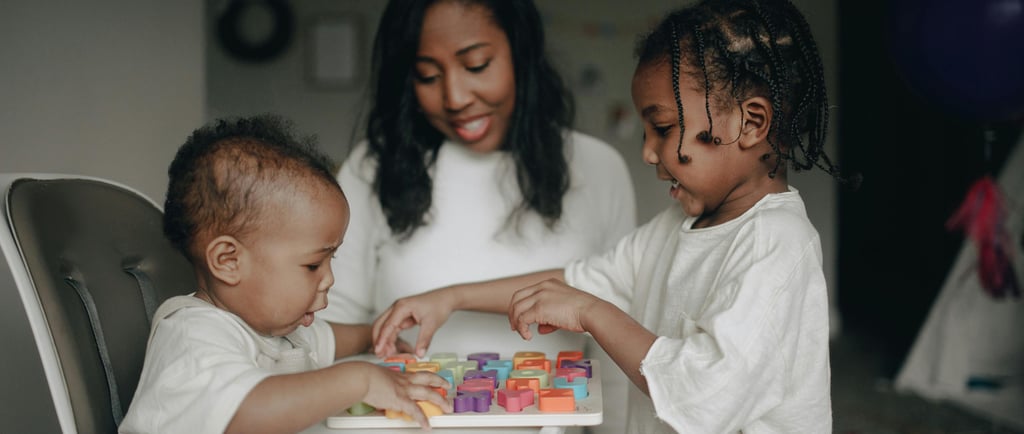

Some of the most important discipleship moments in parenting appear in the places you least expect, like right in the middle of your anger.
Your child ignores instructions for the third time. The house is loud and chaotic. Fatigue builds, patience thins, and suddenly your voice rises. Frustration spills out before you have time to stop it.
In those moments, it can feel like failure. But what if those moments are something else entirely? What if the very moments that expose your weakness are also moments God can use to shape your child’s heart and your own?
Every flash of anger places you at a spiritual fork in the road. You can respond in the flesh, allowing irritation and pride to dictate your words. Or you can pause, humble yourself before the Lord, and respond with the wisdom of biblical parenting.
The Scripture reminds us that even our weaknesses are not wasted in God’s hands. Parenting is not merely about managing behavior; it is about discipleship. God uses ordinary moments, including difficult ones, to form both parents and children into the image of Christ.
Anger, then, becomes a revealing mirror. It exposes what is happening in our hearts. It also gives us an opportunity to demonstrate something children desperately need to see: what repentance, humility, and self-control look like in real life.
Instead of pretending perfection, faithful parents model dependence on Christ.
When you handle anger biblically by slowing down, seeking the Lord’s help, and making things right when you fail, you are doing more than correcting behavior. You are showing your children how the gospel works in everyday life.
Parenting Wisdom on Anger and Self-Control
What the Bible Says About Anger in Parenting
The Scripture addresses anger clearly and repeatedly, helping parents understand both its danger and its proper place.
In Ephesians 4:26, Paul writes: “Be angry and do not sin; do not let the sun go down on your anger.” This command reveals an important truth that anger itself is not automatically sinful. There is such a thing as righteous anger. Yet the Scripture immediately places boundaries around it. Anger must not lead to sin, nor should it be allowed to linger and harden the heart.
At the same time, the Bible gives a sobering warning. James 1:20 says, “For the anger of man does not produce the righteousness of God.” Left unchecked, human anger rarely produces godly outcomes. Instead of cultivating righteousness, it often multiplies conflict, wounds relationships, and clouds our judgment.
This tension is especially important in parenting. You will feel anger when your children disobey. Their rebellion, dishonesty, or disrespect may rightly grieve your heart. The real question is not whether you will feel anger, but how you will respond to it.
The Scripture also speaks directly to parents about the way anger can shape our homes. Colossians 3:21 warns, “Fathers, do not provoke your children, lest they become discouraged.” Similarly, Ephesians 6:4 instructs fathers not to provoke their children to anger but to bring them up in the discipline and instruction of the Lord.
The warning is clear. Parents can discipline in ways that crush the spirit of their children rather than shepherd their hearts. Harshness, uncontrolled anger, and constant criticism can embitter a child rather than guide them toward repentance and growth.
Biblical parenting calls us to something higher than emotional reactions. It calls us to shepherd our children with wisdom, patience, and gospel-centered discipline.
The Difference Between Righteous and Unrighteous Anger
The Bible distinguishes between righteous anger and sinful anger, and this distinction matters greatly in parenting. Righteous anger reflects God’s character. It has several defining qualities.
First, righteous anger reacts to actual sin as defined by the Bible, not to personal inconvenience, wounded pride, or disrupted plans. When your anger erupts because your schedule was interrupted or your expectations were not met, the root is often selfishness rather than righteousness.
Second, righteous anger is concerned with God’s honor rather than personal offense. It is motivated by a desire for holiness, truth, and restoration, not by the need to defend your ego or assert your authority.
Third, righteous anger remains under control. It does not erupt into screaming, insulting words, or physical intimidation. It confronts sin clearly but communicates with restraint, dignity, and purpose.
God Himself demonstrates righteous anger. Psalm 7:11 says that God is a righteous judge who is “angry with the wicked every day.” Yet His anger is never impulsive or sinful. The Bible repeatedly describes Him as “slow to anger and abounding in steadfast love” (Psalm 103:8).
Even when Jesus expressed anger, it was purposeful and holy. When He cleansed the temple, overturning the tables of those who had corrupted worship, His actions were directed toward restoring reverence for God, not humiliating people or venting frustration. His anger aimed at restoring what sin had distorted.
Unrighteous anger looks very different. It erupts quickly instead of patiently. It humiliates rather than restores. It condemns rather than corrects. It seeks to win the argument rather than shepherd the heart.
The fruit always reveals the root. When anger produces harsh words, shame, intimidation, or bitterness, it has moved far from righteousness.
What Makes Anger in Parenting Sinful
Parental anger becomes sinful when it is driven by self-centered motives.
Often, the real issue behind our anger is not our child’s sin but our wounded pride. A child’s disobedience embarrasses us. Their defiance challenges our authority. Their behavior disrupts our plans. In those moments, our anger is less about God’s holiness and more about our personal frustration.
Self-focused anger often disguises itself as righteous discipline. But when we examine our hearts honestly, we may find motives like these:
A desire to control the situation
Fear of appearing like a bad parent
Frustration over inconvenience
Pride that demands immediate compliance
Another warning sign appears when anger becomes a tool of control rather than a means of discipleship.
Some parents rely on anger because it seems effective. Yelling produces quick compliance. Intimidation may silence a child temporarily. Fear can produce outward obedience. But fear does not transform the heart.
Harsh words, yelling, sarcasm, or ridicule push children away emotionally and spiritually. Instead of drawing them toward wisdom, it often teaches them to hide their struggles or lie to avoid punishment.
Anger may produce short-term obedience, but it cannot produce lasting righteousness.
If your anger causes your children to withdraw from you rather than seek help from you, it is not accomplishing God’s purpose.
Righteous anger confronts sin while still caring for the sinner. Jesus perfectly embodied this balance. He spoke the truth with authority while still welcoming the weak, the broken, and the repentant.
God’s Standard for Parents Who Follow Christ
God’s standard for Christian parents is not emotional suppression but Spirit-empowered self-control. Galatians 5:22–23 lists self-control as part of the Fruit of the Spirit. This means self-control is not merely a personality trait or a parenting strategy. It is evidence of the Holy Spirit’s work in a believer’s life.
Parents who walk with Christ are called to bring their emotions under the authority of God. This does not mean you never feel anger. It means anger no longer rules your responses.
Instead, you learn to speak truth in love, correct with patience, and discipline with clarity and compassion.
The Scripture also warns parents against provoking their children through sinful behavior. When discipline includes belittling language, constant criticism, sarcasm, or contempt, it violates God’s design for parental authority. Over time, this kind of parenting can lead children to discouragement, secrecy, and resentment.
But when parents model humility, confession, and forgiveness, they create a home where the gospel is visible. Children learn that sin is serious, but grace is real. They see that failure does not end the relationship because Christ’s forgiveness restores what sin breaks. In this way, even parental mistakes can become powerful discipleship moments.
Finally, the Scripture calls parents to cultivate patience. Proverbs 14:29 teaches, “Whoever is slow to anger has great understanding, but he who has a hasty temper exalts folly.”
Slowness to anger requires humility and self-examination. It means learning to question your own motives before reacting. It means inviting accountability and being willing to hear how others experience your words and tone.
A parent who is slow to anger demonstrates wisdom not only to their children, but before God. And in that slow, Spirit-shaped patience, children witness something far more powerful than perfect parenting. They see the transforming work of the gospel lived out in everyday life.
Why Your Temper Matters in Your Child's Spiritual Formation
Your Children Learn More From What You Do
One of the most powerful realities in parenting is this: your children are always learning from you, even when you are not intentionally teaching.
The Bible repeatedly emphasizes the importance of example. Parents are not only instructors; they are models. Children watch how faith is lived long before they fully understand the words used to describe it.
This reflects a biblical principle seen throughout the Scripture. God repeatedly commanded His people not only to teach His law but to live it visibly before the next generation. Faith was meant to be seen in daily life around the table, during conflict, in moments of correction, and in ordinary conversations.
Children absorb far more than the instructions we give them. They study our reactions, our tone, our patience, and our self-control. Over time, those repeated patterns form their understanding of what is normal.
If a parent consistently responds with calm patience during difficult moments, children begin to see patience as the expected response to frustration. If anger erupts quickly and frequently, children learn that losing control is a normal way to handle conflict.
This is why consistency between words and actions matters so deeply. When parents teach kindness but speak harshly, or instruct children to control their temper while regularly losing their own, the stronger message is not the instruction; it is the example.
Children follow what they observe more readily than what they are told.
This does not mean parents must be perfect. But it does mean that our daily reactions, especially during moments of stress, are shaping our children’s understanding of how believers respond to sin, frustration, and conflict.
The Unspoken Messages of Uncontrolled Anger
Anger does not need to be directed at a child to affect them deeply. A home marked by tension, irritability, and unpredictable outbursts creates an emotional climate that children must learn to navigate. Even when they are not the target, they feel the weight of the atmosphere.
Children in homes where anger dominates often become hyperaware of their parents’ moods. They watch carefully, trying to anticipate what might trigger frustration. Instead of feeling secure, they begin to live cautiously, walking on emotional eggshells in an attempt to avoid conflict.
Some children respond by withdrawing. They become quiet, guarded, and fearful of making mistakes. Others respond by imitating what they observe, expressing their own frustrations through anger, defiance, or aggression.
Still others become driven by approval, desperately trying to avoid disappointing their parents. In these situations, fear sometimes leads children to hide their mistakes or lie about their behavior because they are more afraid of their parents’ reaction than concerned about the sin itself.
When anger dominates the home, it often shapes not only behavior but also a child’s understanding of authority, discipline, and even God Himself.
If parental authority is consistently expressed through uncontrolled anger, children may begin to associate authority with volatility rather than love. Over time, this can distort their perception of God’s character.
Instead of seeing God as “merciful and gracious, slow to anger, and abounding in steadfast love” (Psalm 103:8), they may imagine Him as constantly irritated and ready to explode in judgment. Sinful anger in parenting can unintentionally misrepresent the character of the Heavenly Father.
You Are Their First Picture of God’s Character
God designed the family so that parents would represent His authority and care to their children. While parents are not God, children naturally interpret their earliest experiences of authority through their relationship with their parents. The way parents exercise authority, show compassion, extend forgiveness, and practice discipline becomes the first framework through which children understand God.
The Scripture reflects this connection. Just as the Lord disciplines His people in love, parents are called to discipline their children with the same redemptive purpose.
Hebrews 12 teaches that God disciplines those He loves. His correction is never impulsive, cruel, or uncontrolled. It is purposeful, wise, and rooted in love. His goal is restoration and growth in righteousness. Christian parents are called to reflect that same pattern.
Godly discipline is not driven by frustration, embarrassment, or wounded pride. It is thoughtful, measured, and aimed at guiding the child toward repentance and maturity.
When parents discipline in this way, they help their children see something essential about God: authority and love are not opposites. True authority protects, guides, and restores.
Children who consistently experience patient correction, forgiveness after failure, and steady love gain a clearer picture of the gospel itself.
They learn that sin is serious, but grace is real. They learn that wrongdoing requires correction, but relationships are not destroyed by failure. In this way, everyday parenting becomes a living illustration of the character of God.
The Weight of Your Influence as a Parent
Few influences shape a child’s spiritual life more than their parents. From a biblical perspective, this should not surprise us. God designed parents to be the primary disciplers of their children. The responsibility for spiritual instruction in the Scripture consistently rests first within the home.
Parents teach their children not only through formal instruction but through the example of their daily lives—their prayers, their repentance, their worship, and their responses to difficulty.
Your children observe whether your faith is genuine or merely theoretical. They see whether God's Word shapes your reactions, whether humility follows failure, and whether forgiveness is practiced within the home. Authenticity matters deeply in this process.
Children do not expect perfect parents. But they do need honest ones who take sin seriously, who confess when they fail, and who demonstrate what it means to depend on God’s grace.
When children see faith lived out sincerely, it leaves a lasting impression. Even long after they leave home, those patterns continue to influence how they think about God, authority, and their own spiritual lives.
This reality carries both encouragement and weight. Your influence is powerful, but it also means that your own spiritual life matters greatly. You cannot consistently guide your children toward spiritual maturity if your own relationship with God is neglected.
Parents cannot give what they do not possess. The most effective spiritual leadership in the home does not come from flawless parenting techniques but from genuine spiritual growth. As parents grow in humility, repentance, patience, and faith, those same qualities begin to shape the atmosphere of the home.
And within that environment, children are given one of the greatest gifts a parent can offer: a living example of a life transformed by the gospel.
Discipleship Opportunities Hiding in Your Anger
Every Moment of Anger Is a Fork in the Road
God has called parents to see everyday life as the primary classroom for discipleship. Parenting is not merely about managing behavior or maintaining order in the home; it is about forming hearts that know and love the Lord.
In Deuteronomy 6, Moses instructs parents to teach their children about God “when you sit in your house, when you walk by the way, when you lie down, and when you rise.” The command assumes that spiritual instruction is woven into the ordinary rhythm of daily life. Discipleship happens in kitchens, in car rides, during bedtime conversations, and even in moments of conflict.
That includes the frustrating moments.
The times when patience is thin, when disobedience repeats itself, and when anger begins to rise are not interruptions to discipleship. They are often the moments when discipleship matters most.
Some Christian teachers describe these moments as “Family Discipleship Moments.” These are ordinary situations that can be leveraged for gospel-centered conversations and spiritual formation. Anger, surprisingly, often provides one of the clearest opportunities for this kind of teaching.
Every surge of frustration places you at a crossroads. In that moment, you face a choice. You can react quickly and impulsively, allowing emotion to control your response. Or you can pause, bring your heart before the Lord, and use the moment to guide your child toward understanding, repentance, and growth.
The difference between these responses may only take a few seconds, but the impact on your child can be lasting.
Human reactions often follow two different pathways. One pathway is automatic and impulsive. When emotion rises, behavior follows almost instantly. Words are spoken before thought intervenes, and anger expresses itself through raised voices, harsh words, or intimidation.
The other pathway involves reflection. Instead of reacting immediately, the parent pauses long enough to evaluate what is happening. This pause creates space for wisdom, self-control, and intentional instruction.
That brief moment of reflection often determines whether the situation becomes destructive or deeply formative.
When You React vs. When You Disciple
Children learn how to handle conflict primarily by watching how their parents handle it. When parents react impulsively in anger, they unintentionally model the very behavior they are trying to correct. A parent may tell a child not to yell, not to lash out, and not to lose control, while simultaneously doing exactly those things.
The lesson children absorb is not the instruction but the example.
But when parents respond thoughtfully instead of reacting impulsively, something powerful happens. The child witnesses emotional self-control in real time. They see that strong emotions do not have to dictate behavior. They learn that it is possible to pause, think, and respond wisely even when frustrated.
This is why discipline must be understood as teaching, not simply reacting.
When emotions are running high, the most important step is often the simplest one: pause. Taking time to calm your own heart before correcting your child prevents the situation from escalating and allows discipline to become constructive rather than destructive.
Parents who learn to pause create space for wisdom. Instead of merely suppressing bad behavior, they begin shaping their child’s understanding of how to deal with frustration, disappointment, and anger.
In this way, everyday conflicts, like tantrums, arguments between siblings, repeated disobedience, become opportunities to train children in emotional maturity and self-control.
Children are not born knowing how to process strong emotions. They must learn. And one of the primary ways they learn is by watching how their parents respond when emotions rise.
What Happens When You Choose Self-Control Instead of Anger
When parents choose self-control instead of uncontrolled anger, the entire atmosphere of the home begins to change. Instead of a culture of fear and punishment, the home becomes a place of guidance and growth.
Guidance helps children understand that mistakes are not merely occasions for punishment. They are learning opportunities. When children know they will be corrected with patience and clarity rather than explosive anger, they are far more willing to listen and reflect on their behavior.
This approach also strengthens the parent-child relationship. When children feel secure in their relationship with their parents outside moments of conflict, they are more open to correction during moments of discipline.
Healthy discipline always flows from a foundation of relationship.
Parents who cultivate trust through affection, conversation, and consistent care often find that correction becomes far more effective. When conflict arises, children are more likely to listen because they know their parents’ goal is not humiliation but growth.
Over time, this type of guidance teaches valuable lifelong skills. Children learn how to communicate during conflict. They learn how to accept correction. They learn that mistakes can lead to growth rather than shame.
These lessons extend far beyond childhood. They shape how children will handle conflict in friendships, marriages, workplaces, and their relationship with God.
Creating Space for Teaching Instead of Just Punishing
The word discipline is often misunderstood. In many homes, it has become almost synonymous with punishment. But the biblical concept of discipline carries a richer meaning. Discipline is fundamentally about training. It's the intentional instruction that helps a child develop wisdom, maturity, and godly character.
Punishment focuses on stopping behavior. Discipline focuses on shaping the heart.
Effective discipline teaches children both what not to do and what they should do instead. It does not merely condemn wrong behavior but points children toward wiser and more faithful choices.
This kind of parenting requires intentionality. It means anticipating challenges and preparing children to handle them well. It means teaching skills such as self-control, repentance, forgiveness, and responsibility long before serious conflicts arise.
Of course, responding instead of reacting does not happen automatically. Parents themselves are growing in sanctification. Learning to pause, evaluate motives, and respond with wisdom takes practice, humility, and dependence on the Lord.
But as parents grow in this discipline, they begin to recognize something remarkable: moments that once felt like interruptions become opportunities. A tantrum becomes a chance to teach emotional regulation. Sibling conflict becomes an opportunity to teach forgiveness. Parental frustration becomes a moment to demonstrate humility and repentance.
When parents begin to see these moments through the lens of discipleship, everyday struggles take on new meaning. The goal is no longer simply restoring peace in the moment.
The goal is shaping hearts for a lifetime of walking with Christ. And often, the very moments when anger begins to rise are the moments when that kind of discipleship can happen most powerfully.
Teaching Children Through Anger About Their Need for Jesus
Conflict with your children often feels like an interruption to a peaceful family life. But from a biblical perspective, these difficult moments can become powerful opportunities for gospel-centered discipleship.
When your child disobeys, lies, lashes out in anger, or throws a tantrum, the situation requires more than simple behavior correction. Something deeper is happening. Their actions are revealing what the Scripture says is true about every human heart.
These moments open a window into the reality of sin and the need for a Savior. Instead of addressing only the surface behavior, wise parents use these moments to gently guide their children toward understanding the deeper spiritual issue beneath their actions. In this way, everyday conflicts become opportunities to point children to Christ.
Use Conflict to Point Them to the Gospel
When your child sins, it can be tempting to focus entirely on the immediate problem: the broken object, the argument with a sibling, the lie that was told.
But the Bible reminds us that sinful behavior always flows from a sinful heart.
Romans 3:23 explains, “For all have sinned and fall short of the glory of God.” That truth applies just as much to a seven-year-old child as it does to an adult. A lie, an outburst of anger, or a moment of defiance is not merely a mistake. It's an evidence of the deeper problem that the Bible calls sin.
This does not mean approaching the situation with harsh condemnation. Instead, parents can use gentle questions to help their child begin to understand what is happening in their own heart. For example, instead of immediately lecturing, you might ask:
“Why do you think you chose to lie about that?”
“What were you hoping would happen when you said that?”
“What did you want in that moment?”
Listening carefully to their answers helps you guide the conversation toward the heart.
You can then explain that lying, anger, selfishness, and disobedience come from a heart that wants its own way rather than trusting and obeying God. You can also remind them that this struggle is not unique to them. Everyone wrestles with sin. Even parents do.
This is where the gospel enters the conversation. Jesus came not merely to improve our behavior but to forgive sin and transform the human heart. When children begin to see that their problem is deeper than a single bad choice, they are better prepared to understand why they need a Savior.
The gospel does not excuse sin. It explains it.
When parents connect everyday conflict to the deeper reality of sin and grace, discipline moves beyond simple behavior correction. It becomes an opportunity for true discipleship.
Without that heart-level focus, parenting can unintentionally produce outwardly compliant children who never understand their need for Christ. But when children learn that sin originates in the heart, they begin to see why they need forgiveness and transformation.
Helping Children Understand Their Sinful Hearts
One of the most important tasks of Christian parenting is helping children understand the condition of the human heart.
The Bible teaches that actions reveal what is happening internally. Proverbs 20:11 says, “Even a child makes himself known by his acts, by whether his conduct is pure and upright.” In other words, behavior exposes the heart.
Children often assume they are basically good people who occasionally make mistakes. But biblical discipleship helps them see that the problem runs deeper than isolated misbehavior. Conflict provides a natural opportunity to help children recognize this truth.
When anger erupts between siblings or when a child reacts strongly to correction, parents can gently guide them to examine the desires driving their actions. You might ask questions such as:
“What were you wanting right then?”
“What were you hoping would happen?”
“Were you upset because you didn’t get your way?”
These questions help children recognize the desires underneath their behavior.
The Scripture describes this dynamic clearly. James 4:1–2 asks, “What causes quarrels and what causes fights among you? Is it not this, that your passions are at war within you?” Conflict often arises because our desires become so strong that we demand our own way.
Even young children can begin to understand this truth. They can learn that sometimes their desires—whether for attention, control, comfort, or avoiding consequences—begin to rule their hearts.
When they recognize this pattern, they begin to understand why they need something more than better behavior. They need a changed heart. And that realization prepares them to hear the good news of the gospel.
Showing Children What Repentance Looks Like
One of the most powerful ways children learn the gospel is by watching their parents practice repentance. Parents will inevitably fail. There will be moments when frustration leads to harsh words, impatience, or an angry tone. But these failures can become powerful teaching moments when handled with humility.
Instead of ignoring the mistake or pretending it did not happen, parents can acknowledge it openly. A simple statement might sound like this: “Mommy just sinned by speaking to you in anger. That was wrong, and it did not honor God. Will you forgive me?”
Moments like this teach several important truths at once. Children learn that adults also struggle with sin. They learn that sin should be confessed honestly rather than hidden. They see that repentance includes asking forgiveness from the people we have wronged. And they witness the grace of God at work in everyday life. Just as importantly, they see that authority and humility can exist together.
Parents who acknowledge their own sin show children that the gospel applies to everyone in the household and not just the child who is being corrected.
When children themselves sin, parents can guide them through the same process. Instead of accepting a quick or automatic “I’m sorry,” parents can help them think more carefully about what happened.
You might ask questions like:
“What did you do that was wrong?”
“Why was it wrong?”
“What should you do differently next time?”
This helps children move beyond shallow apologies toward genuine understanding and repentance. Afterward, parents can pray with their child, thanking God for the forgiveness available through Jesus Christ and asking Him to help change their hearts.
Over time, these repeated moments shape how children understand sin, forgiveness, and grace.
Long before they can articulate theology, they begin to see the gospel lived out in the rhythms of family life. And those everyday experiences often teach them more about God’s grace than formal lessons ever could.
Christ-Centered Parenting When You Want to Snap
Every parent knows the moment. Your child disobeys again. The same issue resurfaces for the fifth time that day. Frustration rises quickly, and you feel the impulse to snap. Yet between the trigger and your response lies a small but powerful space.
What you do in those few seconds often determines whether the moment becomes destructive or deeply formative for your child’s spiritual growth.
Christ-centered parenting requires learning to steward that space wisely. When anger begins to rise, intentional practices can help you slow down, bring your heart before the Lord, and respond with the wisdom that reflects Christ.
Pause and Pray Before You React
Many parents notice a strange pattern in their behavior. They extend patience and grace to strangers—store clerks, coworkers, neighbors—yet lose their temper most easily with the people they love the most.
This reveals something important: the issue is not simply external circumstances. It is often a heart issue that needs intentional interruption. The pause is that interruption.
Pausing does not mean pretending you are not angry. Instead, it creates a brief space between the emotional trigger and your response. Even a few seconds can change the entire tone of an interaction.
When you pause, your body begins to settle, and your mind has time to reengage. Instead of reacting impulsively, you gain the opportunity to respond thoughtfully. One of the most effective ways to use that pause is through prayer.
A simple, silent prayer such as “Lord, help me respond with wisdom” can shift your heart back toward dependence on God. It reminds you that parenting is not something you must navigate in your own strength. During that pause, it can also be helpful to ask yourself a few honest questions:
What am I feeling right now?
Why am I reacting so strongly?
Is my anger rooted in my child’s sin, or in my own frustration and inconvenience?
How would God want me to respond in this moment?
These brief reflections do not eliminate the difficulty of the moment, but they help redirect your heart toward Christ before your words take over.
Ask What Jesus Would Do in This Moment
When emotions run high, our perspective can quickly become narrow and self-focused. We begin to interpret the situation primarily through the lens of personal offense. But Christ-centered parenting invites us to ask a different question: How would Jesus respond in this situation?
Throughout the Gospel Books, Jesus consistently held together two qualities that are often separated in human responses—truth and compassion. He confronted sin directly, yet He never used humiliation, sarcasm, or uncontrolled anger to do it. His words exposed sin clearly, but His goal was always restoration.
At the same time, Jesus demonstrated remarkable patience toward those who were weak or immature. Children were drawn to Him because they sensed His gentleness and welcome, even when the disciples tried to push them away.
Reflecting on Christ’s character shifts your perspective. The focus moves away from personal irritation and toward the deeper goal of spiritual formation.
Instead of asking, “How do I stop this behavior right now?” you begin asking, “How can this moment help my child grow in understanding and obedience to God?” That question naturally leads toward a discipline that is redemptive rather than merely reactive.
Decide What You Want Your Child to Learn
Every conflict in the home teaches something. The question is whether the lesson will be intentional or accidental.
When parents react impulsively with yelling, harsh words, or sarcasm, children absorb certain messages. They may learn that power justifies harshness, that anger is the appropriate response to frustration, or that mistakes bring humiliation rather than guidance.
But when parents respond with calm firmness and self-control, children learn something very different. They see that emotions do not have to rule behavior. They witness patience under pressure and authority exercised with restraint.
Before addressing your child’s behavior, it can be helpful to ask yourself a simple question: What do I want my child to learn from this moment?
Do you want them to learn fear of your anger or respect for godly authority?
Do you want them to learn avoidance or repentance?
Do you want them to imitate impulsive reactions or self-control?
The Bible calls believers to be “quick to hear, slow to speak, slow to anger” (James 1:19). When parents embody this pattern, children witness obedience to God lived out in real time.
Speak Without Losing Control
Tone often communicates more than words. Children are highly sensitive to emotional cues. They notice the tension in your voice, the expression on your face, and the posture of your body long before they process the specific words you are saying. Even a necessary correction can feel very different depending on how it is delivered.
Firm instruction spoken calmly communicates authority and care. Harsh words delivered with visible anger often communicate rejection or hostility. This does not mean avoiding discipline. Children need clear correction and boundaries. But correction should remain measured and purposeful rather than explosive.
Sometimes the wisest step is to temporarily step away from the situation. If emotions are running too high, it is appropriate to pause the conversation. A parent might say something like: “Let’s both take some time to calm down. We’ll talk about this again in a little while.”
This simple step protects the relationship while allowing both parent and child to return to the conversation with clearer thinking.
Identify Your Anger Triggers as a Parent
Anger rarely appears without a cause. Often, it is connected to deeper physical or emotional stress. When frustration rises quickly, it can be helpful to examine what might be contributing to your reaction.
Sometimes the explanation is simple. Hunger, exhaustion, dehydration, or chronic stress can dramatically lower emotional patience. When physical needs go unmet, even minor frustrations can feel overwhelming.
At other times, deeper issues may be involved. Past experiences, ongoing anxiety, or work-related stress can make certain situations especially triggering.
Growing in self-awareness allows parents to address these underlying issues rather than simply reacting to the surface behavior.
Instead of only asking, “Why is my child behaving this way?” it can also be helpful to ask, “Why am I responding this strongly?” That kind of reflection helps uncover patterns that God may be inviting you to address.
Get Enough Rest and Margin
Spiritual maturity does not eliminate human limitations. Parents remain physical and emotional creatures who need rest, margin, and care. Exhaustion makes self-control significantly harder. When parents are constantly tired, decision-making becomes more difficult, patience shrinks, and ordinary frustrations feel much heavier.
Children experience something similar. A child who is overtired, overstimulated, or overwhelmed may struggle to regulate emotions effectively. What appears to be deliberate disobedience may sometimes be the result of fatigue or emotional overload.
In these situations, both parent and child benefit from rest and calm rather than escalation.
Prioritizing rest and healthy rhythms is not selfish. It's part of wise stewardship. When parents care for their physical and emotional well-being, they are better equipped to respond with patience and clarity. Self-control is easier to practice when the body and mind are not constantly depleted.
Christ-centered parenting does not require perfection. But it does call parents to pursue wisdom, humility, and dependence on the Lord, even in the moments when anger threatens to take over.
And often, it is in those very moments that God does some of His most meaningful work in both parent and child.
Modeling Christ to Children When You Fail
No parent responds perfectly every time. Despite your best intentions to pause, pray, and respond with patience, there will be moments when frustration wins. Your voice rises. Your words become sharper than they should have been. You realize afterward that you did not reflect Christ in that moment.
Failure in parenting is inevitable because parents, like their children, are still sinners in need of grace. But the story does not end there.
What you do after you fail can become one of the most powerful discipleship moments in your home. Your children need to see what biblical repentance actually looks like when it happens in real life.
Acknowledge Your Sin Honestly to God and Your Child
When you confess your sin to your child, you are not revealing something they did not already know. Your child has already witnessed your failure. What they need to see is how a Christian responds when they recognize their sin.
The Bible consistently calls believers to confession and humility. When parents refuse to acknowledge wrongdoing, they unintentionally model self-righteousness rather than repentance.
Christian parenting begins not with managing your child’s sin but with honestly confronting your own.
Parents sometimes forget that their authority does not remove their need for repentance. In fact, because parents hold greater authority and influence, their sins can carry deeper consequences. Harsh words, uncontrolled anger, or dismissive attitudes can wound the very children entrusted to their care. This is why honest confession matters.
Rather than explaining away your behavior, blaming circumstances, or minimizing what happened, acknowledge the sin directly. Say clearly what you did wrong. Avoid defending yourself or shifting responsibility.
Owning your sin communicates something powerful to your child: the truth matters more than protecting your image. And when truth is practiced consistently, trust begins to grow.
Ask for Forgiveness From Your Child
Some parents worry that apologizing to their children weakens parental authority. In reality, the opposite is often true. Authority grounded in humility and integrity is far stronger than authority defended through pride.
When parents sincerely ask for forgiveness, they model the kind of accountability God requires from all believers. Children learn that no one is above God’s moral standard, not even Mom or Dad. The key is sincerity and clarity.
A genuine apology avoids vague statements or hidden blame. It does not say, “I’m sorry if you felt hurt,” or “I’m sorry, but you shouldn’t have made me angry.” Instead, it takes full responsibility.
A parent might say something like: “I sinned against you when I yelled at you earlier. That was wrong, and it did not honor God. Will you forgive me?”
Notice what this kind of apology does not include. There is no “but.” There is no immediate shift back to the child’s behavior. The focus remains entirely on the parent’s wrongdoing.
These moments may feel uncomfortable, but they are often among the most meaningful conversations you will ever have with your children. They demonstrate that confession and forgiveness are normal parts of the Christian life.
Explain What You Should Have Done Instead
After asking for forgiveness, it can also be helpful to explain how you should have responded differently. This step reinforces that repentance involves not only acknowledging sin but also pursuing change.
You might say something like: “I should have paused and spoken to you calmly instead of raising my voice. Next time I start to feel angry, I want to stop and pray before I respond.”
Statements like this help children understand that Christian growth does not mean perfection. Believers continue to struggle with sin, but they learn to bring those struggles to Christ and seek His help to grow.
Repentance, in other words, is not merely regret. It is a change of direction empowered by God’s grace. When children see this pattern of confession, forgiveness, and renewed effort repeatedly, they begin to understand how the gospel operates in everyday life.
Show Them That You Need Grace Every Day
One of the most important lessons children can learn from their parents is that everyone depends on God’s grace.
When parents openly acknowledge their sin and seek forgiveness, they demonstrate that the Christian life is not about pretending to be perfect. It is about continually returning to Christ for mercy and help.
Your humility teaches your children that dependence on God is normal. They learn that failure does not have to lead to shame or hiding. Instead, it can lead to confession, forgiveness, and renewed trust in God’s grace. This is far more spiritually formative than the illusion of flawless parenting.
Children do not need perfect parents. They need parents who show them where forgiveness is found.
Point Them to Jesus in Your Weakness
The apostle Paul wrote that God’s grace is sufficient and that His power is made perfect in weakness (2 Corinthians 12:9). This truth applies to parenting as well. Your imperfections, when handled with humility and repentance, can actually reveal the beauty of the gospel to your children.
When you stand before your children not as a flawless authority figure but as a fellow sinner in need of grace, you help them understand their own condition more clearly. You show them that the Christian life is not built on human strength but on Christ’s finished work. Your honesty about sin points them toward the only true Savior.
In this way, even your failures can serve God’s purposes. They remind your children that no human parent can be their ultimate source of hope or perfection. Only Jesus can.
And when parents consistently point beyond themselves to Him, they give their children the greatest gift possible: a clear picture of the grace that meets sinners right where they are.
Parenting with Self-Control Through the Power of the Holy Spirit
Christian parenting ultimately depends on more than strategies, techniques, or personal determination. The kind of patience and restraint that the Scripture calls parents to demonstrate cannot be sustained through willpower alone.
The ability to respond with self-control, especially when frustration rises, is the result of God’s Spirit actively working within the believer. This means that parenting with self-control is not merely a matter of trying harder. It is a matter of walking closely with the Lord and relying on the transforming work of the Holy Spirit.
Self-Control Is a Fruit of the Spirit
The Bible teaches that self-control is not something we produce independently. It is evidence of the Spirit’s work in a believer’s life. In Galatians 5:22–23, Paul writes: "But the fruit of the Spirit is love, joy, peace, patience, kindness, goodness, faithfulness, gentleness, self-control.”
Notice that the Scripture refers to the fruit of the Spirit, not the fruits. These qualities are not separate traits we manufacture through effort. They are different expressions of the life of the Spirit producing a Christlike character in the believer.
Self-control, therefore, grows from the same source as love, patience, and gentleness. It flows from a heart that is increasingly shaped by God’s Spirit.
Biblical self-control involves more than suppressing emotions. It means learning to govern our responses according to God’s will rather than our impulses. It is the Spirit-enabled ability to say no to sinful reactions and yes to godly responses.
This is why the Scripture repeatedly contrasts life in the Spirit with life in the flesh. Our natural inclinations often push us toward impatience, irritation, and harshness. But Galatians 5:16 offers a clear promise: “Walk by the Spirit, and you will not gratify the desires of the flesh.”
As parents grow in their relationship with God through prayer, Scripture reading , and daily dependence on Him, the Spirit gradually shapes their responses. Over time, patience replaces impulsiveness, and restraint begins to characterize even stressful moments.
This transformation does not happen instantly. But the Spirit faithfully works within believers to produce the character that reflects Christ.
Your Dependence on God Teaches Your Children Dependence
Children learn not only from what their parents teach but also from how their parents live out their faith. When parents pause to pray during difficult moments, children witness something important: Christians do not rely solely on their own strength. They seek God’s help.
Imagine your child watching you stop in the middle of frustration to pray quietly for patience or wisdom. That moment communicates more than a lecture ever could. It shows that faith is not theoretical; it's something practiced in real time.
Parents who openly acknowledge their need for God demonstrate humility before their children. They model what it looks like to depend on the Lord for strength, guidance, and transformation.
Over time, these small moments shape a child’s understanding of the Christian life. They begin to see that following Christ means continually returning to God for help.
Your dependence on the Holy Spirit becomes a living lesson in faith.
Physical Rest Supports Emotional Self-Control
While spiritual dependence is essential, the Bible also reminds us that human beings are physical creatures with real limitations. God created our bodies to require rest. When those limits are ignored, emotional resilience and patience often decline.
Fatigue makes it harder to think clearly, regulate emotions, and respond wisely. When parents are chronically exhausted, small frustrations can feel overwhelming, and impulsive reactions become far more likely.
Children experience similar struggles. A child who is overtired or overstimulated often has greater difficulty managing emotions and behavior.
This is one reason why the Scripture repeatedly emphasizes rhythms of rest. God established patterns of rest from the very beginning of creation, reminding His people that human strength has limits.
Caring for your physical well-being is not separate from spiritual faithfulness. It supports it. Adequate sleep, reasonable schedules, and moments of rest allow both parents and children to function with greater emotional stability. When your mind and body are restored, it becomes easier to practice patience and respond thoughtfully instead of reacting impulsively.
Rest does not replace dependence on the Holy Spirit. But it places you in a healthier position to receive and practice the self-control He produces.
Ultimately, parenting with self-control is not about becoming a perfectly composed person. It is about learning to walk daily with the Lord, allowing His Spirit to shape your character, and trusting His grace to sustain you in the demanding work of raising children.
And as your children observe that dependence, they learn one of the most important lessons you can teach them: true strength is found not in self-sufficiency, but in relying on God.
What Changes When You Choose Discipleship Over Reaction
When parents begin to approach conflict through the lens of discipleship rather than mere reaction, the entire culture of the home begins to shift. Moments that once produced tension and frustration become opportunities for growth, grace, and spiritual formation.
This transformation does not happen instantly. But over time, the consistent choice to respond with patience, humility, and gospel-centered instruction produces lasting fruit—not only in your children, but in your own spiritual life.
Peace Replaces Tension in Your Home
Homes shaped by reactive anger often carry an atmosphere of tension. Children become cautious and defensive, unsure of how their parents will respond when something goes wrong.
But when parents consistently choose thoughtful responses instead of impulsive reactions, the emotional climate of the home begins to change. Conflict still occurs—because every family includes sinners—but it is handled with clarity, patience, and purpose.
The Bible celebrates this kind of harmony. Psalm 133:1 says: “Behold, how good and pleasant it is when brothers dwell in unity!”
When family members learn to respond to one another with humility and grace, the home becomes a place of stability and peace rather than fear and unpredictability. It becomes a place where correction is given with love, forgiveness is practiced openly, and relationships are restored rather than fractured.
In such an environment, children experience something deeply valuable: a home where God’s presence and wisdom shape everyday interactions.
Your Children Learn to Trust God’s Character
Children form many of their earliest ideas about God by observing how faith is lived out in their home. They listen to what their parents say about God, but they also watch closely to see whether those beliefs shape real-life responses to frustration, hardship, and conflict.
Faith is not learned only through instruction. It's often caught through observation. When children see parents turn to God in difficult moments, they begin to understand that faith is not merely theoretical. It is a living trust that shapes how believers respond to real challenges.
Your reactions during stressful moments quietly answer important questions in your child’s mind:
Does faith actually matter when life becomes difficult?
Can God be trusted when emotions run high?
Does the gospel apply to everyday problems?
When parents demonstrate patience, humility, and reliance on God during conflict, they show that their faith is genuine and durable. Their trust in God is not dependent on easy circumstances but remains steady even when things become challenging.
Over time, this lived example helps children develop a deeper confidence in God’s character. They begin to see Him not as a distant idea but as a trustworthy presence in everyday life.
You Grow in Spiritual Maturity
Parenting does not only shape children. It also shapes parents. The daily demands of raising children expose weaknesses that might otherwise remain hidden. Impatience, pride, selfishness, and frustration often surface in the pressure of family life.
Yet God frequently uses these very pressures as instruments of sanctification.
When parents choose to respond with self-control, humility, and dependence on the gospel, they are actively participating in their own spiritual growth. Each moment of restraint becomes a small act of obedience. Each confession of failure becomes an opportunity to experience God’s grace again. In this way, parenting becomes one of the most powerful contexts for spiritual formation.
Your life continually communicates something to your children. Whether intentionally or not, your daily responses preach a message about what you believe. When your actions reflect repentance, patience, and reliance on Christ, that message becomes a living testimony of the gospel’s transforming power.
Your Legacy of Faith Shapes Their Tomorrow
Parents naturally want to provide well for their children’s future. Many work hard to secure financial stability, educational opportunities, and practical advantages. Yet the Scripture reminds us that the greatest inheritance parents can give their children is not material wealth but spiritual legacy.
Faithful Christian character, formed through years of consistent example, has an influence that far outlasts any earthly possession. Children who grow up observing authentic faith are far more likely to carry those convictions into adulthood. They have seen what it looks like for faith to operate in everyday life during conflict, hardship, repentance, and forgiveness. Your consistent example quietly shapes the foundation of their spiritual future.
While no parent can guarantee how a child will ultimately respond to the gospel, a home marked by faithful discipleship provides fertile soil where faith can grow.
The most valuable legacy parents can leave behind is not an inheritance account, but a testimony of a life lived for Christ.
Turning Moments of Anger into Moments of Grace
At first, anger in parenting often feels like failure. A raised voice, a harsh word, or a moment of impatience can leave parents discouraged and ashamed. But these moments can hold surprising discipleship value when they are handled with humility and gospel-centered wisdom.
Every moment of frustration presents a choice. Parents can react in the flesh, allowing anger to dictate their response. Or they can pause, depend on the Holy Spirit, and respond in a way that reflects Christ.
Self-control does not grow from sheer willpower. It develops through daily dependence on God—the very kind of dependence parents hope to cultivate in their children.
When parents consistently return to the Lord for patience, wisdom, and grace, they demonstrate what it means to follow Christ in real life. And the atmosphere created by those faithful responses matters more than parents may realize.
The peace you cultivate today shapes the faith your children carry into tomorrow. Each time you pause, confess your weakness, and point your child to Jesus, you are doing far more than managing behavior. You are helping them understand the heart of the gospel.
Through your imperfect but faithful example, they begin to see what it looks like to walk with Christ, not in theory, but in the everyday struggles of life.
Subscribe to my newsletter for holistic homemaking tips and faith-filled inspiration for your home, your family, and your own personal walk in faith.
Join My Newsletter
© Copyright The Focused Homemaker, 2026. All Rights Reserved.
The Focused Homemaker
Encouragement for the wife, mother, and homemaker you actually are, one pillar at a time.